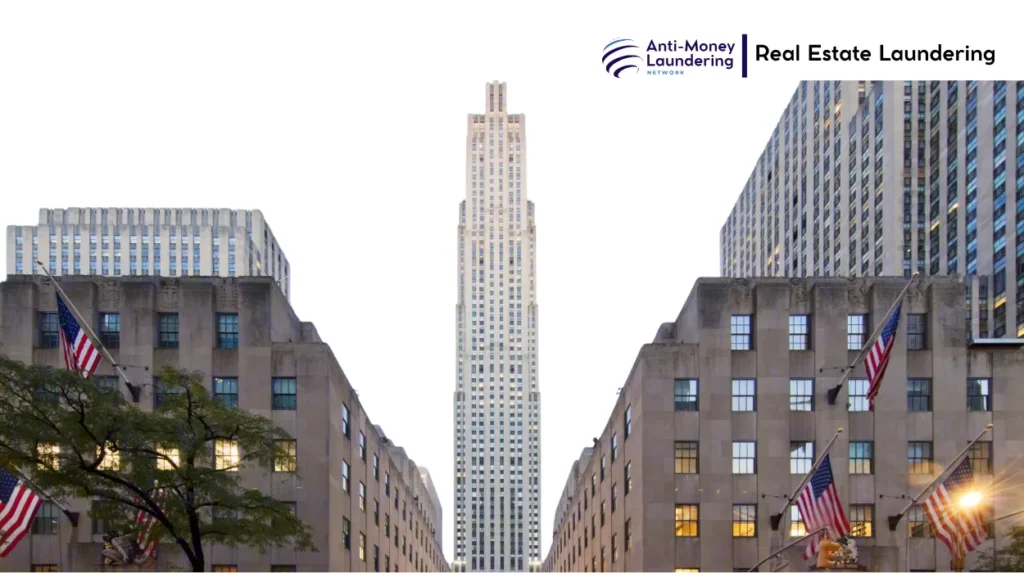
Tishman Speyer stands as one of the world’s leading real estate firms, managing a vast portfolio of iconic properties across major cities. Founded in 1978, the company has shaped urban landscapes through strategic developments and asset management.
Project Introduction (Formation & Background)
Tishman Speyer traces its roots to the Tishman family business, active since the late 19th century in construction and real estate.
The modern firm launched in 1978 when Robert V. Tishman, former president of Tishman Realty & Construction, partnered with Jerry Speyer, his son-in-law, to form Tishman Speyer Properties, L.P. This came after the liquidation of the original Tishman Realty in 1977, providing initial assets of $17 million and two properties valued at $65 million.
The founders’ vision centered on high-profile urban developments, blending office towers, residential spaces, and mixed-use complexes. Jerry Speyer, the Tishman Speyer founder and key architect of this vision, emphasized equity partnerships and opportunistic acquisitions. Early projects like 520 Madison Avenue, completed in 1981 as the Tishman Speyer headquarters, set the tone for slant-faced, granite-clad towers that became hallmarks of their portfolio.
By the mid-1980s, Tishman Speyer had developed over 7 million square feet, establishing offices in Tishman Speyer locations worldwide, including early expansions to Europe.
The Tishman Speyer year of establishment marked a shift toward private partnerships with investors like the Crown family and Equitable Life Assurance, fueling growth into a global player with Tishman Speyer properties spanning commercial and residential sectors. Today, Tishman Speyer headquarters remains at 520 Madison Avenue in Manhattan, a symbol of its enduring New York roots.
Management and Project Head
Leadership at Tishman Speyer revolves around the Speyer family and a seasoned executive team. Jerry Speyer serves as Chairman and co-founder, guiding strategy with decades of experience in major deals like Rockefeller Center. Robert D. Speyer, his son and President/CEO, oversees daily operations, focusing on asset management and new developments.
The Tishman Speyer executive team includes key figures such as the Tishman Speyer CFO, general counsel, and directors in asset management. For instance, the Tishman Speyer general manager roles across regions ensure localized execution. The Tishman Speyer leadership has ties to prestigious institutions; Jerry Speyer’s involvement with Harvard and political fundraising underscores their influence.
Previous projects bolster their reputation: Jerry Speyer’s role in the Yankees’ new stadium via Tishman Speyer Yankee Stadium development highlights sports-real estate synergies, including Jerry Speyer Yankees connections. Financial links involve partnerships with banks like JPMorgan and sovereign funds, supporting Tishman Speyer funds and Tishman Speyer asset management, with assets under management (AUM) exceeding $115 billion historically.
Tishman Speyer Developments and Global Footprint
Tishman Speyer developments span continents, with Tishman Speyer office locations in New York, London, and beyond. Iconic Tishman Speyer buildings include Rockefeller Center (acquired 2000 for $1.85 billion), the Chrysler Building (1998 mortgage acquisition), and The Spiral in Hudson Yards.
In Europe, Tishman Speyer Europe manages projects like Messeturm in Frankfurt (1990, tallest in continental Europe then) and Tishman Speyer London at Angel Square. Tishman Speyer Deutschland and Tishman Speyer Frankfurt feature prominently, alongside Tishman Speyer Paris and Tishman Speyer Berlin. Tishman Speyer UK developments include Buckingham Palace Road, while Tishman Speyer France and Tishman Speyer Luxembourg handle diverse assets.
U.S. presence covers Tishman Speyer Chicago, Tishman Speyer Boston, Tishman Speyer Los Angeles, Tishman Speyer Beverly Hills, Tishman Speyer DC, Tishman Speyer Dallas, Tishman Speyer Austin, and Tishman Speyer Jersey City. Emerging markets include Tishman Speyer India, Tishman Speyer Japan, Tishman Speyer Korea, Tishman Speyer Singapore, Tishman Speyer Tokyo, and Tishman Speyer Brasil. Tishman Speyer Toronto and Tishman Speyer Canada expand North American reach.
Specialized ventures like Tishman Speyer industrial, Tishman Speyer hotels, and Mission Rock in San Francisco showcase versatility. Tishman Speyer Hudson Yards and Tishman Speyer Manhattan dominate skylines, with Tishman Speyer Greenwich CT as a strategic hub.
Controversies & Scandals
Tishman Speyer has faced scrutiny over high-profile setbacks. The 2010 Stuyvesant Town–Peter Cooper Village surrender to lenders after a $5.45 billion acquisition in 2006 with BlackRock exemplified overleveraging amid the financial crisis.
The 666 Fifth Avenue sale in 2006 for $1.8 billion to Kushner Companies later drew attention due to subsequent debt issues. No major corruption cases directly implicate the firm, though Tishman Speyer Reddit discussions often highlight opacity in partnerships. Tishman Speyer net worth estimates for founders remain private, fueling speculation.
Reports of black money involvement are absent from public records, but contextual concerns arise from Manhattan’s real estate anonymity, as noted in FinCEN analyses. Tishman Speyer valuation debates persist, with no public Tishman Speyer stock or market cap due to its private status.
Money Laundering Activities
No confirmed Tishman Speyer suspicious real estate deals exist, but the high-risk sector of luxury real estate invites analysis. Tishman Speyer real estate transactions often involve layered ownership via LLCs and joint ventures, a common Tishman Speyer layering (money laundering stage) tactic in theory, though unproven here.
Tishman Speyer client verification and Tishman Speyer risk assessment align with industry standards, yet U.S. beneficial ownership transparency gaps pre-2025 rules raised flags. Tishman Speyer AML compliance is standard for a firm of its scale, with Tishman Speyer source of funds scrutiny in partnerships like ADIA for Chrysler Building.
Transaction patterns show opportunistic buys like MetLife Building ($1.72 billion, 2005) and Chicago portfolio ($1.8 billion, 2007), but no fake buyers or shell company abuse confirmed. Tishman Speyer property acquisition strategies emphasize value-add refinancings, such as $3.5 billion for Rockefeller Center in 2024.
International Links & Benefited Countries
Tishman Speyer’s global reach benefits multiple nations. Europe gains from Tishman Speyer Germany, Tishman Speyer Europe, and projects in Poland (Warsaw, Krakow). Latin America sees Tishman Speyer Brasil and Buenos Aires offices. Asia includes Tishman Speyer China (historical Beijing venture), Tishman Speyer India, and Tishman Speyer Japan.
Cross-border transactions, like ADIA’s Chrysler stake, link UAE funds. Offshore accounts appear in historical structures, such as Barbados entities, supporting Tishman Speyer investment management GmbH in Luxembourg. Countries like Germany (Messeturm) and Brazil (São Paulo tower, 1996) directly benefited from jobs and urban renewal.
Regulatory Actions & Legal Proceedings
No FIA, NAB, or FATF actions target Tishman Speyer specifically. U.S. regulatory focus remains on sector-wide issues via FinCEN Geographic Targeting Orders since 2016. Court rulings, like the 2010 lender handovers, resolved financially without fraud findings. Pending cases are absent from public dockets.
Tishman Speyer real estate professionals adhere to evolving AML rules, including delayed 2025 residential reporting.
Public Impact & Market Reaction
Tishman Speyer buildings elevate cityscapes, boosting property prices in areas like Tishman Speyer Rockefeller and Hudson Yards. Investors view Tishman Speyer AUM growth positively, with revenue from leasing and sales enhancing market trust. Economic effects include thousands of jobs via Tishman Speyer careers in engineering, human resources, and security—Tishman Speyer security ensures top-tier operations.
Public perception mixes admiration for icons like Tishman Speyer Chrysler Building with critiques of exclusivity. Tishman Speyer jobs attract talent, from Tishman Speyer engineer roles to director positions, while Tishman Speyer values emphasize sustainability. Market reactions to refinancings, like The Spiral’s $2.85 billion loan, signal resilience.
Tishman Speyer operates robustly, with a $115+ billion portfolio across office, residential, and industrial assets. Recent deals include Rockefeller refinancing and Spiral completion. Tishman Speyer annual report equivalents highlight diversified Tishman Speyer funds.
Expert analysis predicts sustained growth in life sciences and data centers, per Tishman Speyer leadership. Ventures like Jackson Park and Morgan North position for urban revitalization. Future outlook remains strong, navigating post-pandemic shifts with Tishman Speyer team innovation.