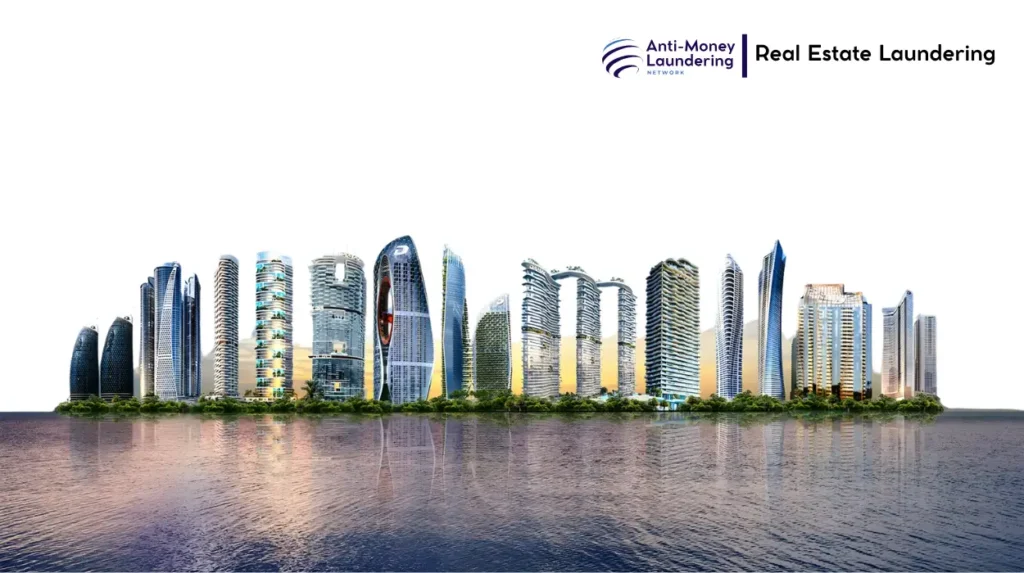
Damac Properties stands as a cornerstone of UAE luxury real estate, transforming Dubai’s skyline since its inception. Founded amid rapid economic growth, the developer has delivered over 48,000 premium units across residential towers, villas, and branded communities. This article examines its trajectory, operations, and the broader context of real estate money laundering risks in high-risk real estate investments.
Project Introduction (Formation & Background)
Damac Properties launched in 2002, capitalizing on Dubai’s introduction of freehold ownership rights for foreigners. Hussain Sajwani, the founder, spotted an opportunity in the burgeoning demand for upscale residences as the city’s population and economy surged. Starting with Marina Terrace—a 203-unit waterfront project in Dubai Marina completed in 2006—the company quickly scaled, emphasizing sophisticated architecture and lifestyle amenities.
Sajwani’s vision centered on creating aspirational spaces blending luxury with functionality, targeting high-net-worth individuals globally. From catering and trading ventures, he pivoted to property, building Damac into a portfolio spanning UAE luxury real estate staples like Damac Hills and DAMAC Heights. By 2025, over 50,000 units were under development across 100 million square feet, showcasing relentless expansion.
Management and Project Head
Hussain Sajwani remains the driving force as chairman and founder, guiding strategic decisions with a hands-on approach. His daughter, Heba Sajwani, serves as executive vice president, overseeing design and branding partnerships with Versace, Fendi, and Trump International Golf Club. The executive team includes seasoned real estate professionals focused on innovation and global outreach.
Key board members bring finance and construction expertise, with links to prior successes like Sajwani’s hospitality forays via DAMAC Hotels & Resorts launched in 2011. Their reputation rests on timely deliveries and award-winning projects, such as five Arabian Property Awards in 2017, though financial ties to Gulf elites have drawn scrutiny in AML compliance in real estate discussions.
Previous ventures underscore their prowess: Sajwani’s early contracts supplying U.S. troops during the Gulf War honed logistics skills applicable to large-scale builds. This network supports Damac Properties real estate transactions, positioning the firm as a Damac Properties real estate professional in a competitive field.
Controversies & Scandals
Damac Properties has navigated several high-profile disputes, including a 2010 DIFC court case where Hardt Trading FZE alleged mismanagement tied to escrow funds, hinting at deeper financial opacity. A 2011 scandal involved a former Egyptian minister jailed over a Damac land sale, raising questions on Damac Properties suspicious real estate deals.
Reports from 2025 highlight Damac Properties controversies around anonymous property ownership in Business Bay towers. Investigations pointed to opaque structures facilitating high-risk real estate investments, with calls for greater Damac Properties beneficial ownership transparency.
Money Laundering Activities
Real estate money laundering risks loom large in UAE luxury real estate, where Damac Properties projects have surfaced in probes. Tactics reportedly include layering (money laundering stage) via shell companies in the British Virgin Islands and Seychelles, obscuring trails in Damac Properties property acquisition processes.
Suspicious patterns feature cash-heavy Damac Properties real estate transactions and cryptocurrency infusions, often bypassing stringent Damac Properties client verification. Overvaluation of luxury units in DAMAC Towers enabled parking illicit funds in UAE property, with nominee buyers masking origins. Dubai police probes in 2023-2025 uncovered billions in AED frozen, linking to property sector financial crime.
Damac Properties risk assessment must grapple with these vulnerabilities, as weak real estate due diligence UAE standards allow such layering. Sources of funds verification remains inconsistent, amplifying exposure in this Damac Properties high-risk sector.
International Links & Benefited Countries
Damac Properties draws offshore wealth in Dubai from diverse origins, including Russia, Nigeria, and Syria. Russian networks, evading sanctions through property, funneled funds into Business Bay via layered entities, benefiting UAE’s investment inflows.
Nigerian elites and sanctioned figures like Oleg Deripaska utilized these channels, with cross-border transactions from Iran-linked illicit funds in UAE property. London’s DAMAC Tower Nine Elms (2015 launch) extended this reach, attracting global capital while spotlighting sanctions evasion through property.
Countries like the UK and Lebanon indirectly gain from resale flips, but UAE luxury real estate absorbs the primary inflows, sustaining Dubai’s economy amid AML compliance in real estate gaps.
Regulatory Actions & Legal Proceedings
UAE authorities escalated scrutiny post-2022 OCCRP Dubai Uncovered leaks, prompting Dubai AML units to seize assets and arrest facilitators in Damac-linked towers. No direct fines hit Damac Properties AML compliance, but 2025 global calls urged sanctions, citing persistent Damac Properties source of funds lapses.
FATF gray-listing pressures in prior years indirectly influenced tighter real estate due diligence UAE mandates, though enforcement lags. Pending DIFC rulings and police black money cases continue, with no major convictions tied explicitly to Damac by 2026.
Public Impact & Market Reaction
Investor confidence in Damac Properties dipped amid 2025 exposes, with some off-plan sales softening despite Dubai’s rebound. Property prices in Business Bay stabilized, but trust erosion affected high-risk real estate investments perception, prompting selective Damac Properties risk assessment by buyers.
Public discourse amplified real estate money laundering risks, eroding UAE luxury real estate allure for cautious investors. Economic ripple effects included heightened scrutiny on illicit funds in UAE property, yet Damac’s branded appeal sustained rental yields around 6-8% in key projects.
As of January 2026, Damac Properties operates robustly, managing 147 active projects including DAMAC Lagoons and Hills expansions. Deliveries proceed amid investigations, with no bankruptcy signals; Sajwani’s net worth exceeds $5 billion, bolstering stability.
Experts predict sustained growth if Damac bolsters Damac Properties beneficial ownership transparency and AML compliance in real estate. UAE luxury real estate demand persists, but navigating property sector financial crime will define longevity. Enhanced global partnerships could mitigate offshore wealth in Dubai risks, positioning Damac for resilience.