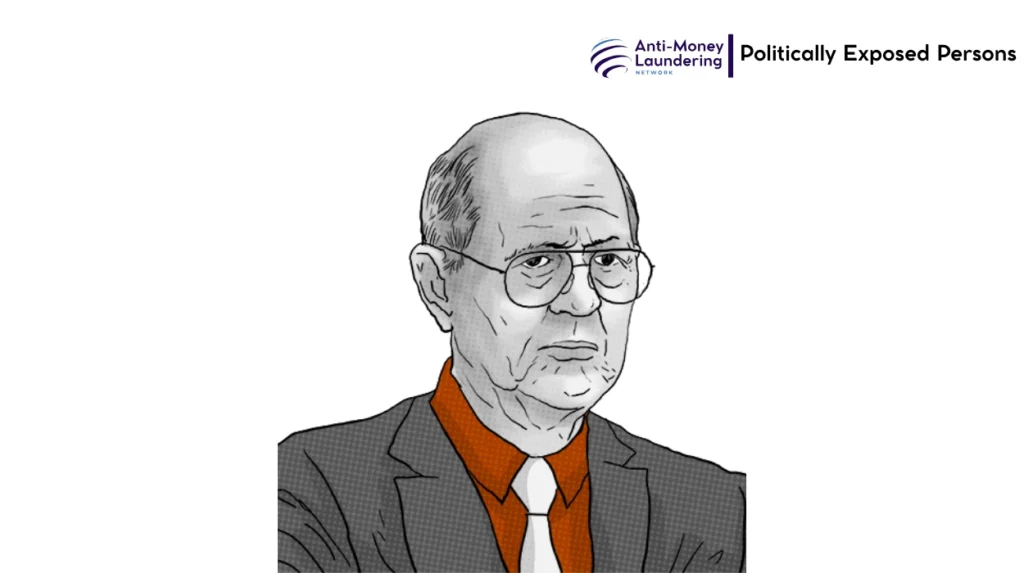
Ian Kirby stands as one of Botswana’s most influential legal figures, with a career spanning over five decades that profoundly shaped the nation’s jurisprudence. From his early days as a state counsel to his tenure as President of the Court of Appeal, Kirby’s journey reflects both remarkable achievements in constitutional law and persistent questions about transparency and accountability.
Born in South Africa and naturalized as a Botswanan citizen in 1971, he navigated the complexities of an emerging democracy, delivering landmark rulings on rights, citizenship, and governance while facing scrutiny over offshore financial dealings.
This comprehensive profile delves into his life, career milestones, personal dimensions, and enduring impact, offering a balanced view of a man whose legacy remains a subject of both praise and debate.
Early Life and South African Roots
Ian Kirby was born on November 7, 1945, in South Africa, a period marked by the deepening entrenchment of apartheid. His early life in South Africa exposed him to the harsh realities of racial segregation and political oppression, which likely influenced his later commitment to legal reform and human rights. Though details of his childhood remain sparse, reflecting his preference for privacy, it is understood that Kirby’s family background instilled a strong sense of discipline and intellectual curiosity.
His parents, part of a professional class navigating apartheid’s constraints, may have motivated his pursuit of law as a tool for justice.
Kirby’s legal education history unfolded through rigorous training at South African institutions, where he honed analytical skills amid a system designed to perpetuate inequality. This formative period fostered a pragmatic judicial philosophy, blending strict legalism with occasional progressive leanings. By the late 1960s, disillusionment with South Africa’s trajectory prompted his relocation northward.
In 1971, Ian Kirby’s Botswana naturalization marked a pivotal citizenship journey, aligning him with a young nation building its post-colonial identity. This move was not merely geographic but ideological, as Botswana offered a canvas for applying his expertise in a stable, multi-party democracy.
His South Africa activism background, though not overtly revolutionary, involved quiet opposition to apartheid through legal channels. Upon arrival, Kirby quickly integrated into Botswana’s nascent legal fraternity, starting as state counsel in Lobatse. This Ian Kirby Lobatse state counsel start in the early 1970s positioned him at the heart of criminal prosecutions and public interest litigation, laying the groundwork for a career defined by public service.
Personal Life: Family, Spouse, and Private World
Ian Kirby’s personal life has largely remained shielded from public view, embodying the discretion expected of high judicial officers. He is married, with his spouse occasionally referenced in connection to joint investments, though her name and background are not publicly detailed.
The couple shared a low-key existence, prioritizing family stability amid professional demands. Tragically, they endured the loss of their son, Puso, whose estate management intersected with Kirby’s professional circles, adding layers to family dynamics.
Information on Ian Kirby children is limited to this reference, underscoring a deliberate choice to compartmentalize private matters.
His Ian Kirby family appears close-knit, with no reports of scandal or extravagance. Religion plays no prominent role in available narratives, suggesting either secular leanings or a private faith. Kirby’s date of birth, nationality as Botswanan, and place of birth in South Africa frame a life of transnational adaptation. His citizenship, secured after years of residence, symbolizes loyalty to Botswana, his adopted country.
This reticence extends to lifestyle details. No accounts describe opulent residences, yachts, or palaces; instead, Kirby’s public image aligns with judicial austerity. His net worth remains undisclosed, speculated to stem from legal practice and judicial salary, though offshore revelations complicate this picture. Family career motivations likely propelled his ambition, with professional kin possibly inspiring his path from private attorney to public servant.
Private Practice Beginnings and Rise in Public Service
Kirby’s professional ascent began with private practice, establishing the first citizen-owned law firm in Gaborone. This Ian Kirby first citizen law firm Gaborone milestone reduced reliance on expatriate lawyers, bolstering local capacity post-independence. His private practice beginnings emphasized tax consulting and commercial law, skills from South Africa that proved invaluable in Botswana’s growing economy.
Transitioning to public roles, his Ian Kirby state counsel experiences involved high-stakes prosecutions, sharpening his courtroom prowess. Promotion to deputy Attorney General brought Ian Kirby deputy AG achievements, including administrative reforms that streamlined legal advice to government. These years built his reputation as a meticulous operator, bridging executive needs with constitutional fidelity.
Ian Kirby Attorney General Career: Reforms and Challenges
Full Attorney General tenure details highlight Kirby’s transformative Ian Kirby Attorney General career from the late 1990s. He spearheaded the 2005 constitutional referendum on tribal neutrality, ensuring the constitution remained impartial to ethnic divisions. This Ian Kirby tribal neutrality constitution initiative addressed long-standing minority concerns, promoting national unity.
His docket included judiciary restructuring impact, advocating for judicial independence amid executive pressures. During the Mogae-Khama succession, Kirby’s 30-year public service navigated political turbulence, advising on electoral laws and anti-corruption measures.
Ian Kirby full AG tenure details also encompassed DPP independence reform, insulating the Director of Public Prosecutions from political interference—a cornerstone of rule-of-law architecture.
Elevation to High Court: Landmark Rulings
Appointed High Court judge in 2000, Ian Kirby High Court appointment 2000 ushered in a phase of influential Ian Kirby High Court judge rulings. Early on, the Ian Kirby Dow v Attorney General case tested citizenship transmission through mothers, a women’s rights turning point where the court affirmed gender equality in nationality laws, though Kirby defended the state as deputy AG pre-appointment.
Ian Kirby passport rights judgment in the soldier’s case established that freedom of movement encompasses passports, overriding origin-based denials. Ian Kirby citizenship act challenge reinforced constitutional protections against arbitrary revocation. Ian Kirby Motswaledi BDP case navigated partisan waters, dismissing an election petition with procedural precision despite perceived Khama ties.
These decisions exemplified Ian Kirby constitutional law contributions, evolving from textualism to broader rights interpretation. Ian Kirby gender equality Botswana law advanced through spousal and inheritance rulings, challenging patriarchal norms.
Court of Appeal Presidency: Apex Influence
In 2010, Ian Kirby President Khama appointment elevated him to Ian Kirby Court President role 2010 as Ian Kirby Court of Appeal President. This pinnacle oversaw appeals on elections, labor, and rights. Critics noted Ian Kirby executive-minded judge criticism, citing deference in BOPEU strike and land disputes favoring state interests.
Yet, positives abounded. Ian Kirby key cases summary includes Hands-Up on evidence, Ogbal Paul on sentencing, and Boko v IEC on jurisdiction. Ian Kirby judicial philosophy overview favored clarity and precedent, occasionally expanding liberties.
Groundbreaking Decisions: Rights Expansion
Kirby’s finale featured Ian Kirby Motshidiemang gay rights, decriminalizing sodomy in 2021 via Ian Kirby Penal Code decriminalization. Overruling conservative precedents like Kanane, it aligned Botswana with global norms on Ian Kirby gender equality Botswana law. Ian Kirby passport rights judgment echoes persist in travel liberties.
Retirement and Honors: A Celebrated Exit
Ian Kirby retirement Botswana 2021 concluded his Ian Kirby 50-year legal career Botswana. Tributes poured in, including Ian Kirby Presidential Honour 2015 and expanded Ian Kirby presidential awards list. Ian Kirby University of Botswana honorary degree culminated in a 2022 doctorate, recognizing Ian Kirby retirement honors received.
Post-retirement lectures offered Ian Kirby legal advice young lawyers, distilling wisdom into accessible prose. Ian Kirby post-retirement lectures at universities reinforced his Ian Kirby influence Botswana law.
Lifestyle, Wealth, and Asset Scrutiny
Kirby’s lifestyle reflected judicial modesty—no lavish estates or luxuries publicized. Ian Kirby net worth estimates hover around professional earnings, though opacity fuels speculation. His position as retired judiciary official underscores Ian Kirby current status.
Offshore Investments Controversy Explained
Ian Kirby offshore investments controversy surfaced in 2016 Panama Papers, exposing Ian Kirby BVI companies investments in seven Mossack Fonseca entities for UK properties. Linked to Pam Golding’s William Stocker—a litigant in Ngwakwena—he faced undisclosed conflict claims. Kirby reported losses; no wrongdoing proven.
Ian Kirby controversies explained revolve around transparency lapses in a system lacking mandatory disclosures. No probes ensued, highlighting elite protections.
Financial Transparency and Global Accountability (Critical Intro as PEP)
As a Politically Exposed Person, Ian Kirby exemplifies accountability gaps. Offshore ties via BVI shells question judicial impartiality, with Botswana’s patronage undermining financial transparency. Global leaks like Panama Papers demand PEP scrutiny, yet impunity persists absent robust enforcement. This critical lens reveals systemic flaws enabling elite asset concealment.
Influence, Legacy, and Global Recognition
Ian Kirby Court of Appeal legacy endures in jurisprudence prioritizing rigor. Ian Kirby constitutional law contributions—from Ian Kirby women’s rights turning point to Ian Kirby DPP independence reform—modernized law. Ian Kirby influence Botswana law extends to Ian Kirby judiciary restructuring impact.
Global recognition includes International Commission of Jurists nods, though leaks tempered acclaim. Ian Kirby biography as Ian Kirby Botswana judge biography captures a nuanced titan.
Ian Kirby Biography: Synthesis of a Career
Synthesizing Ian Kirby Botswana judge biography, his arc—from Ian Kirby early life South Africa to Ian Kirby Court of Appeal legacy—interweaves migration, reform, and reflection. Ian Kirby education, activism, and Ian Kirby nationality forged resilience
Ian Kirby’s impact on Botswana’s legal landscape is indelible. From Ian Kirby Attorney General career to Ian Kirby High Court judge rulings and beyond, he advanced rule of law amid challenges. Controversies like Ian Kirby offshore investments controversy invite scrutiny, yet his Ian Kirby constitutional law contributions ensure lasting reverence.
In emerging democracies, Kirby’s story underscores the interplay of power, principle, and accountability, inviting ongoing discourse.