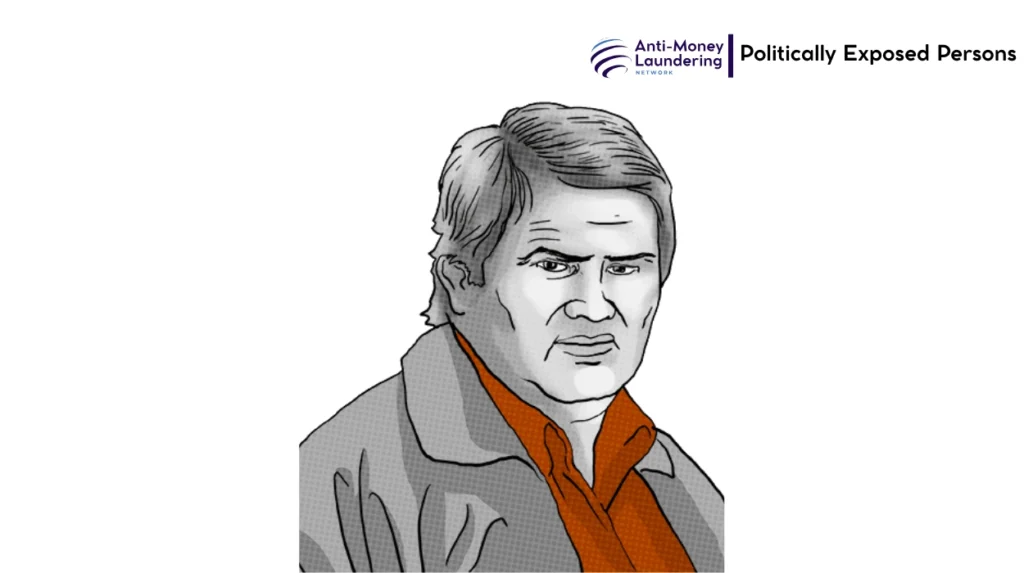
Daniel Muñoz remains one of the most enigmatic figures in modern Argentine political history, a man whose proximity to power thrust him into the spotlight long after his death. As the personal secretary to former President Néstor Kirchner, he operated in the shadows of the presidential residence, handling sensitive matters that blurred the lines between loyalty and opportunism.
This comprehensive profile delves into his life, career, controversies, and lasting impact, drawing from documented investigations, court records, and journalistic accounts to paint a full picture of a figure whose story encapsulates Argentina’s turbulent political landscape. From his unassuming beginnings to the international web of financial allegations, Daniel Muñoz’s trajectory offers insights into the inner workings of Peronist governance during the Kirchner era.
Early Life and Background
Details about Daniel Muñoz’s formative years are scarce, a reflection of his deliberate low profile before entering political circles. Born in Argentina, likely in the southern Patagonia region given his lifelong ties to Santa Cruz province, Muñoz embodied the archetype of a self-made operative rather than a product of elite institutions. Public records do not pinpoint an exact date of birth, though estimates place it in the 1960s, aligning with his age during Néstor Kirchner’s rise.
His nationality and citizenship were unequivocally Argentine, rooted in the rugged terrains of Santa Cruz, where Kirchner himself built his political base as governor.
Little is known about Daniel Muñoz’s education, with no verified university degrees or formal qualifications surfacing in investigations. This absence underscores a career built on personal networks rather than credentials, common among aides in Argentina’s Peronist machine. Religion plays no documented role in his public persona, and his early employment history remains opaque.
Before aligning with Kirchner, Muñoz reportedly worked in local business ventures in Santa Cruz, possibly in consulting or logistics, laying the groundwork for his later entrepreneurial forays. This phase of his life, shrouded in minimal documentation, highlights how figures like him often emerge from provincial obscurity into national influence, leveraging regional loyalties in a patronage-driven system.
Santa Cruz, with its vast oil fields and sparse population, provided fertile ground for such ascent. Kirchner’s governorship there from 1991 to 2003 fostered a tight-knit circle, and Muñoz’s entry into this fold marked the beginning of his transformation from local functionary to presidential confidant.
Observers note that his unpretentious demeanor—practical, discreet, and fiercely loyal—endeared him to Kirchner, setting the stage for a relationship that would define both men’s legacies.
Personal Life
Daniel Muñoz maintained a private family life, shielding his relatives from public scrutiny until scandals forced them into the limelight. His spouse, Carolina Pochetti, known as Daniel Muñoz’s wife and later his widow, became a central figure in posthumous probes.
The couple shared a life intertwined with Kirchner family dynamics, residing in Buenos Aires and Santa Cruz, where they managed personal and business affairs. No confirmed information exists on Daniel Muñoz’s children, suggesting either a childless marriage or deliberate privacy; investigations have not identified heirs beyond Pochetti.
Their household reflected middle-class stability during his early career, but this evolved amid whispers of unexplained affluence. Pochetti, described in court documents as managing investments, faced allegations of acting as a proxy for her husband’s dealings. Family ties extended to associates like Gregorio Sebastián Ludman, a business partner whose involvement deepened the narrative of networked wealth.
Muñoz’s personal life, devoid of ostentatious displays, contrasted sharply with the opulence later attributed to his assets, raising questions about the origins of their lifestyle.
Health challenges emerged in his final years, culminating in his death, yet these did not deter ongoing financial maneuvers. The family’s reticence—rare interviews, no social media presence—amplified their mystique, positioning them as emblematic of the opaque personal spheres surrounding political elites.
Career and Achievements
Daniel Muñoz’s professional journey pivoted around his role as personal secretary to Néstor Kirchner, a position that spanned from the late 1990s through the presidency (2003-2007) and into Cristina Fernández de Kirchner’s tenure. As Daniel Muñoz secretary Kirchner, he managed daily logistics at the Olivos presidential residence, earning a reputation as a Daniel Muñoz Kirchner double for his intimate knowledge of Kirchner’s routines.
This trust elevated him beyond clerical duties to a Daniel Muñoz Kirchner confidant, handling communications, travel, and sensitive errands.
Post-presidency, Muñoz transitioned into business, registering firms like DS Mayer and Prox-SRL in transportation and real estate sectors. Operating as a Daniel Muñoz business consultant, he advised on provincial projects in Santa Cruz, capitalizing on insider connections. His career achievements, while not publicly celebrated, included streamlining operations for Kirchner’s inner circle, a role vital in a administration marked by rapid policy shifts.
No formal accolades adorn his record, but his indispensability spoke volumes in a system valuing discretion over visibility.
This phase showcased his adaptability, bridging political service with commerce. Ventures in Daniel Muñoz real estate hinted at entrepreneurial acumen, though retrospective scrutiny reframed them through allegations of impropriety. In Argentine politics, such trajectories—from aide to mogul—often signal the blurred boundaries between public duty and private gain.
Rise to Influence
Muñoz’s ascent mirrored Kirchner’s national prominence. Stationed at Daniel Muñoz Los Olivos, he oversaw movements between Buenos Aires and Daniel Muñoz Santa Cruz, including high-profile logistics like Daniel Muñoz Los Olivos bags reportedly containing cash. As part of Kirchner inner circle aides, his influence peaked during the commodity boom, when public works contracts flowed generously.
This era’s opacity allowed aides like Muñoz to thrive unchecked. Witnesses in later testimonies described him coordinating discreet transports, solidifying his operational clout. His role extended informally into Cristina’s presidency, positioning him as a bridge between administrations. Daniel Muñoz assets growth during this period—from public servant salary to business owner—drew early suspicions, though no immediate actions followed.
Patagonia’s political economy, dominated by Kirchner loyalists, amplified his leverage. Santa Cruz contracts, often awarded to allies, funneled resources through trusted hands, with Muñoz at the nexus. This influence, wielded quietly, exemplified Peronism’s emphasis on personalism over institutionalism.
Controversies and Allegations
Scrutiny intensified post-2013, when prosecutors indicted Muñoz for Daniel Muñoz money laundering tied to Olivos cash flows. Daniel Muñoz corruption allegations painted him transporting euros to Santa Cruz, amid Kirchner aide money laundering claims.
The Daniel Muñoz corruption case intersected with Daniel Muñoz K notebooks—the Kirchner corruption notebooks Muñoz scandal—where driver Oscar Centeno’s ledgers detailed bribe routes allegedly delivered to him.
Daniel Muñoz cuadernos scandal revelations implicated public works kickbacks, with Muñoz as a key conduit. These narratives exposed systemic graft, where proximity enabled siphoning. Critics lambasted Argentina’s judiciary for delays, allowing such networks to persist.
Financial Scandals and Global Ties
Probes unveiled Daniel Muñoz shell companies: 13 in Miami and Delaware for Daniel Muñoz Miami properties and Daniel Muñoz U.S. properties. Daniel Muñoz Miami investments included luxury condos, allegedly via Daniel Muñoz offshore accounts.
Daniel Muñoz Panama Papers connections via Daniel Muñoz Gold Black Limited—a British Virgin Islands entity with hidden owners including Carolina Pochetti—highlighted nominee tactics. Daniel Muñoz Panama Papers explained these as laundering veils, though Daniel Muñoz Pandora Papers links remain unconfirmed. Daniel Muñoz illicit enrichment patterns spanned borders, evading oversight.
U.S. collaborations traced funds from Argentine banks to Florida real estate, underscoring global dimensions. These ties fueled debates on Argentina’s export of corruption.
Legal Proceedings and Assets
Indictments spanned Daniel Muñoz Los Olivos laundering and K-notebooks roles. Daniel Muñoz assets seizure in 2025 recovered $150 million in properties. Daniel Muñoz widow Carolina Pochetti faced charges as Daniel Muñoz Carolina Pochetti proxy. Ongoing trials persist, with U.S. aid probing flows.
Lifestyle and Wealth
Muñoz’s life post-office suggested luxury: Daniel Muñoz real estate abroad contrasted his aide past. Daniel Muñoz net worth, speculative at tens to hundreds of millions, stemmed from seized assets. No palaces or yachts confirmed, but Daniel Muñoz assets growth bespoke unexplained prosperity.
Financial Transparency and Global Accountability
As a PEP, Daniel Muñoz exemplifies gaps. Daniel Muñoz money laundering via shells and offshore accounts thrived amid weak checks. Kirchner scandal networks, from Los Olivos to Santa Cruz, highlight impunity. Global leaks demand PEP vigilance, yet delays shield elites.
Daniel Muñoz Death
Daniel Muñoz death in 2016 stemmed from cancer complications. Daniel Muñoz death cause, amid probes, sparked speculation. His widow navigated fallout.
Influence and Legacy
Daniel Muñoz Kirchner confidant status echoes in Daniel Muñoz legacy Argentina politics. Ongoing trials caution against unchecked power.
Daniel Muñoz, from Daniel Muñoz Kirchner aide to scandal’s core, mirrors Argentina’s challenges. His story—from Los Olivos to Miami—urges transparency reforms. Deceased, his shadow endures.