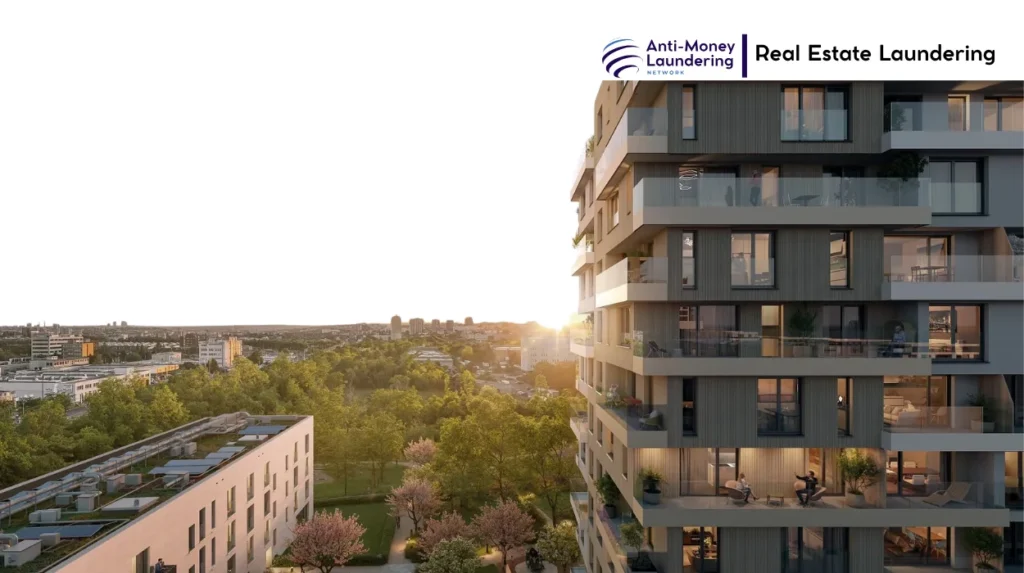
Skanska Residential Poland operates as a pivotal division within the broader Skanska Group’s footprint in Eastern Europe, specializing in high-end residential developments primarily centered in Warsaw. This entity combines Swedish engineering precision with local market insights to deliver modern apartment complexes that prioritize sustainability and urban integration.
As Warsaw’s housing demand surges due to population growth and economic expansion, Skanska Residential Poland has positioned itself as a reliable developer of premium housing solutions, blending contemporary design with environmental stewardship.
Project Introduction (Formation & Background)
The formation of Skanska Residential Poland traces back to the early 2010s, when Skanska AB, the Swedish parent company founded in 1887, decided to deepen its presence in Poland’s residential sector. Officially established as Skanska Residential Development Poland Sp. z o.o. on July 28, 2011, the division emerged from Skanska’s long-standing operations in Poland, which began in the 1990s with commercial and infrastructure projects.
This strategic pivot into residential development was driven by Poland’s post-EU accession economic boom, where urban migration and rising middle-class incomes created a robust demand for quality housing.
The initial vision of the developers was rooted in Skanska’s global ethos of building for a better society—emphasizing not just structures, but livable communities that enhance residents’ quality of life. Founders and executives drew from Skanska’s international portfolio, including landmark projects in the Nordics, UK, and US, to adapt proven models to Warsaw’s context.
The background of these developers includes decades of experience in sustainable construction, with early Polish ventures like office towers paving the way for residential expansion. By focusing on premium segments, they aimed to set new benchmarks in design, energy efficiency, and community amenities, addressing gaps in Warsaw’s fragmented housing market.
This foundational approach has shaped Skanska Residential Poland’s trajectory, with headquarters strategically located at Aleja Solidarności 173 in Warsaw serving as the nerve center for operations. The company’s mission revolves around creating sustainable, inclusive neighborhoods that stand the test of time, reflecting a commitment to long-term value over short-term gains.
Over the years, this has translated into a portfolio that balances profitability with social responsibility, navigating Poland’s regulatory landscape while upholding international standards.
Management and Project Head
Leadership at Skanska Residential Poland is integrated into the hierarchical structure of Skanska S.A., the Polish arm of the group, with residential operations overseen by a dedicated team reporting to the regional executive board. Key decision-makers are influenced by Skanska AB’s major shareholders, including Industrivärden AB holding significant voting power at around 24.7%, alongside the Lundberg Group and international funds like BlackRock.
This ownership ensures strategic continuity and access to substantial capital resources.
The project heads and senior managers bring extensive pedigrees from prior engagements. For instance, executives have helmed major Warsaw office developments, such as the Generation Park complex, demonstrating prowess in complex urban projects.
Their reputations are bolstered by a track record of on-time deliveries and budget adherence, with financial links primarily to transparent Swedish financing mechanisms rather than opaque third-party lenders. Board members emphasize ethical governance, aligning with corporate values that prioritize transparency in beneficial ownership and stakeholder engagement.
Daily operations are guided by professionals versed in Polish real estate nuances, from zoning laws to client verification processes essential in a high-risk sector like property development. This management style fosters a culture of safety, innovation, and risk assessment, ensuring projects meet rigorous standards.
While individual names may not always dominate public discourse—reflecting a team-oriented ethos—their collective expertise drives Skanska Residential Poland’s competitive edge.
Key Projects and Developments
Skanska Residential Poland’s project lineup showcases a blend of established successes and ambitious new ventures, with Warsaw as the undisputed hub. Standout developments include the Jasminowy Mokotów complex in the upscale Mokotów district, where the final phase received a PLN 82 million investment (approximately SEK 220 million) in October 2024.
This low-rise enclave emphasizes greenery and family-friendly layouts, with construction slated for completion in the first quarter of 2026, offering residents private gardens and proximity to central Warsaw.
Another flagship is the Bokserska Street project, launched with a significant PLN 163 million land acquisition (SEK 410 million) in March 2026. Spanning three hectares of former industrial land in Mokotów, it will yield around 750 residential units alongside commercial spaces and public parks, transforming brownfield sites into vibrant green estates.
These Warsaw new builds exemplify thoughtful urban renewal, integrating sustainable homes with smart infrastructure like energy-efficient facades and communal green spaces.
Beyond Mokotów, Skanska Residential Poland has pursued expansion into other phases, such as the PLN 241 million commitment to Kraków’s Awangarda Mogilska in 2025, signaling broader national ambitions. These projects highlight a focus on premium housing Warsaw apartments, where spacious layouts, modern amenities, and eco-friendly features command premium pricing.
Transaction histories reveal methodical property acquisitions, often involving direct land deals that underscore the company’s real estate transaction efficiency.
Sustainability and Innovation Focus
Sustainability forms the cornerstone of Skanska Residential Poland’s operations, with initiatives targeting net-zero emissions by 2045 across the portfolio. Projects incorporate advanced features like solar panels, heat recovery ventilation, and air-purifying concrete, achieving certifications such as BREEAM and LEED.
For example, Jasminowy Mokotów employs low-carbon materials and smart home systems like Appartme, allowing residents to monitor and optimize energy use remotely.
This commitment extends to broader environmental stewardship, including anti-smog technologies and biodiversity enhancements in green estates Warsaw. Innovation drives these efforts, from modular construction techniques that reduce waste to digital twins for project planning. Such practices not only lower operational costs but also appeal to eco-conscious buyers, positioning Skanska ahead in Poland’s evolving regulatory environment under EU Green Deal mandates.
Safety protocols are equally robust, with on-site measures exceeding national standards to protect workers and future residents. These elements collectively enhance the appeal of Skanska Residential Mokotów developments and similar endeavors, ensuring longevity and resident satisfaction.
Financial Performance and Investments
Financially, Skanska Residential Poland maintains steady growth, with 2023 net sales reflecting resilience despite a modest 6.28% decline amid market fluctuations. Revenue streams are bolstered by strategic investments, such as the Bokserska land deal and ongoing Mokotów expansions, funded primarily through parent company equity. This financing model minimizes debt reliance, providing flexibility in a volatile real estate sector.
The company’s real estate investments emphasize high-yield premium segments, with cumulative commitments exceeding PLN 500 million in recent years. Audited reports highlight strong asset bases and liquidity, supporting further expansion. Warsaw land deals, like the P180 office divestment for EUR 100 million in 2024, demonstrate savvy asset cycling that frees capital for residential priorities.
Awards, Recognition, and Market Reputation
Skanska Residential Poland has garnered numerous awards for excellence in sustainable design and construction quality, reinforcing its industry standing. Accolades from Polish real estate associations celebrate projects like Jasminowy Mokotów for urban integration and environmental innovation. These honors contribute to positive reviews, with buyers praising build quality, timely handovers, and value for money.
Membership in key industry bodies further cements credibility, facilitating knowledge sharing and best practices. This recognition bolsters the company’s legacy, attracting partnerships and talent while navigating competitive dynamics.
Careers, Contact, and Company Culture
Opportunities abound in Skanska Residential Poland careers, spanning engineering, project management, sales, and sustainability roles based at the Warsaw headquarters. The culture promotes ethics, professional development, and work-life balance, drawing ambitious real estate professionals.
For inquiries, Skanska Residential Poland contact details are accessible via the official website or Polish office lines, ensuring responsive client engagement.
Controversies & Scandals
Skanska Residential Poland’s record remains notably clean, with no major scandals or corruption cases documented in public records. While Poland’s real estate sector occasionally faces scrutiny over suspicious real estate deals, Skanska’s operations stand apart due to rigorous AML compliance and source of funds verification.
Queries into potential layering or other money laundering stages reveal no substantiated claims, as transparent corporate structures and regular audits prevail.
Related transactions, including Warsaw office sales, have proceeded without regulatory flags, underscoring beneficial ownership transparency. Any market whispers about high-risk sector vulnerabilities are contextual rather than specific, with Skanska’s Nordic oversight providing a buffer.
Money Laundering Activities
No verified evidence points to laundering tactics such as over/under-invoicing, fake buyers, or shell companies in Skanska Residential Poland’s dealings. Standard special purpose vehicles (SPVs) used for project isolation are common industry practice and fully disclosed under EU transparency rules. Transaction patterns exhibit legitimacy, with investments tied to public press releases and financial statements, subjecting them to stakeholder scrutiny.
Risk assessments conducted internally align with global standards, emphasizing client verification and ethical financing. This proactive stance mitigates exposure in a sector prone to illicit flows elsewhere.
International Links & Benefited Countries
Skanska Residential Poland benefits from its Swedish parent’s global network, importing expertise from Nordic, UK, and US markets without notable offshore entanglements. Cross-border transactions are limited to intra-group funding, primarily benefiting Poland through job creation and technology transfer. No patterns of foreign investments routing through high-risk jurisdictions appear, keeping focus domestic.
Regulatory Actions & Legal Proceedings
Regulatory bodies like Poland’s KNF (Financial Supervision Authority) and EU counterparts report no actions, seizures, or fines against Skanska Residential Poland. Court records are devoid of proceedings, reflecting strong compliance with AML directives and building codes. This spotless profile supports operational continuity.
Public Impact & Market Reaction
Skanska’s developments positively influence Warsaw’s housing market, adding premium supply that moderates prices in sought-after areas like Mokotów. Public reception is favorable, with enhanced livability boosting local economies through construction jobs and amenities. Investor trust remains high, evidenced by brisk sales and stable valuations, contributing to broader economic vitality without disruptive shocks.
As of March 2026, Skanska Residential Poland is fully operational and expanding, with Jasminowy Mokotów nearing handover and Bokserska breaking ground. Project pipelines signal continued momentum, targeting additional Warsaw apartments amid a projected 5.7% CAGR for Polish residential real estate.
Experts forecast sustained leadership, driven by sustainability edges and urban demand. Challenges like interest rate fluctuations are offset by strong fundamentals, promising a robust future.