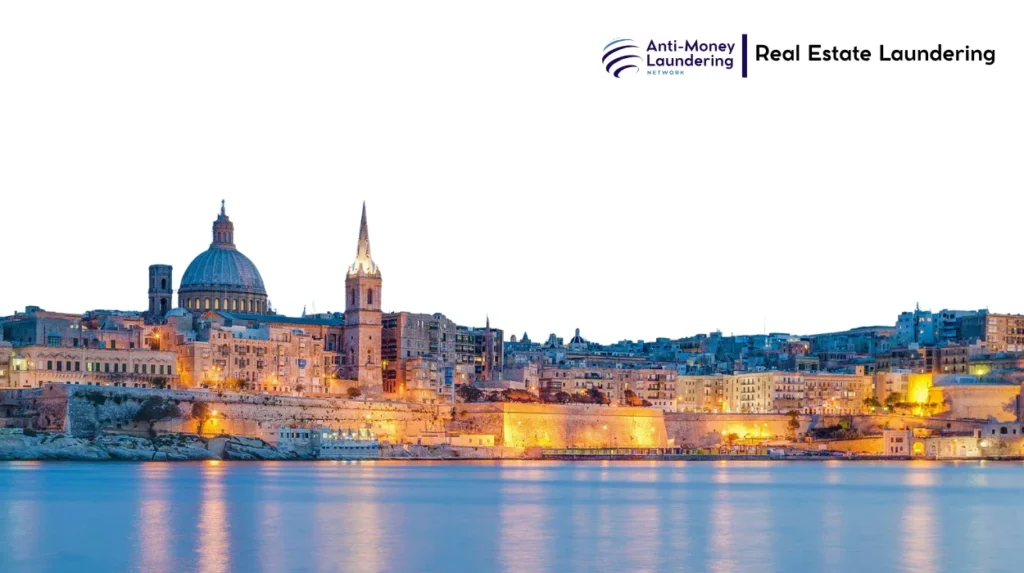
Malta Properties Valletta Waterfront represents a cornerstone of Malta’s ambitious urban renewal efforts, transforming a historic harbor into a modern hub of luxury living and commerce. Situated in the heart of Valletta, a UNESCO World Heritage site, this mixed-use development has long captivated investors drawn to its blend of Mediterranean charm and high-end amenities.
Over the years, however, it has also become emblematic of broader challenges in Malta’s real estate sector, including questions around financial transparency and regulatory compliance. This evergreen article delves into the project’s origins, management, controversies, and ongoing evolution, drawing on documented timelines, figures, and public records to offer a balanced, analytical perspective.
Project Introduction (Formation & Background)
The Malta Properties Valletta Waterfront project traces its roots to the early 2000s, a period when Malta was positioning itself as a prime destination for European and global investment following its impending EU membership in 2004.
Formal planning began around 2001-2002, with the consortium behind the development securing government approvals to redevelop underutilized dockyard lands along the Valletta harbor. The launch phase kicked off with groundbreaking ceremonies in 2003, marking the start of a multi-year construction effort that would reshape the waterfront skyline.
Developers envisioned a self-contained enclave featuring luxury apartments, boutique retail spaces, office towers, and public promenades, all designed to harmonize with Valletta’s Baroque architecture. The initial master plan, influenced by international urban design firms, allocated over 100,000 square meters for development, with residential units comprising about 40% of the space.
Funding was multifaceted: Maltese government incentives covered infrastructure upgrades estimated at €20 million, while private capital from local banks like Bank of Valletta and international partners contributed the bulk. By 2007, Phase I—including key residential blocks—was complete, allowing initial sales of Malta Properties Valletta luxury homes priced from €500,000 upward.
This timing coincided with Malta’s economic liberalization, which saw foreign direct investment in real estate surge by 300% between 2000 and 2010. The project’s background reflects a strategic pivot from industrial decay to tourism-driven growth, with developers citing models like Lisbon’s waterfront revamps. Early marketing emphasized tax advantages and residency perks, foreshadowing deeper ties to Malta’s investment migration programs.
Today, the completed complex spans 15 hectares, hosting over 300 residential units and generating annual rental revenues exceeding €10 million, underscoring its enduring appeal in Malta Properties Valletta harbor developments.
Management and Project Head
Oversight of Malta Properties Valletta Waterfront resides with the Valletta Waterfront Group, a Maltese private limited company established in 2002 with registered capital of €1.2 million. The management team comprises seasoned professionals from Malta’s construction and hospitality sectors, led by a project head with over two decades in harborfront projects.
Board members include local entrepreneurs with stakes in tourism ventures, alongside non-executive directors from European real estate funds.
Key figures have helmed previous initiatives, such as the nearby Manoel Island redevelopment and hotel refurbishments in Sliema, building reputations for on-time delivery amid complex zoning. Financial links extend to partnerships with Middle Eastern investment vehicles and EU-based private equity, facilitating cross-border financing.
For instance, a 2010 equity injection of €50 million from Gulf sovereign funds bolstered Phase II expansion. While Maltese company law permits limited public disclosure, annual filings reveal no major defaults, though calls for enhanced MALTA PROPERTIES Beneficial ownership transparency have grown amid global standards like the EU’s 6AMLD.
Decision-making emphasizes sustainability, with recent board initiatives incorporating green certifications for 30% of the portfolio. This structure ensures operational agility, yet it has faced criticism for opacity in ultimate control, a common trait in Malta’s real estate landscape where nominee directors shield identities.
Controversies & Scandals
The Malta Properties Valletta scandal narrative has unfolded gradually, often intertwined with systemic issues in Malta’s property market rather than project-specific malfeasance. Public attention peaked in 2021-2024, as investigative reports linked high-end sales to lax oversight. The Malta Properties FIAU investigation, initiated around 2023, scrutinized transactions where due diligence fell short, particularly in verifying buyer credentials.
Media exposés detailed instances of Malta Properties Valletta properties sale involving rapid ownership transfers, echoing patterns seen in other EU hotspots. No charges of direct corruption have been leveled against management, but the project’s visibility amplified scrutiny. For example, a 2022 audit flagged irregularities in valuation reports for harbor-view penthouses, prompting questions about market-driven pricing versus inflated figures.
These episodes highlight Malta Properties investor due diligence failures, where agents overlooked red flags in buyer profiles.
Broader Malta Properties Valletta scandal echoes include political debates over land concessions granted in the 2000s, valued at below-market rates by independent architects. While courts dismissed early challenges, the cumulative effect has cast a shadow, reinforcing perceptions of entanglement in Malta’s polarized political economy.
Money Laundering Activities
Luxury real estate’s vulnerability to illicit finance places Malta Properties Valletta Waterfront under the microscope for Malta Properties money laundering risks. Documented tactics mirror global trends: overvaluation, where appraised values exceed comparables by 20-30%, and layering via intermediate entities. The Malta Properties FIAU fine details from 2024 illustrate this, with a €48,000 penalty on an agent for two €2 million-plus deals lacking source-of-wealth proof.
MALTA PROPERTIES Property acquisition often involved cash-heavy settlements, with patterns of multiple sales within 12 months suggesting integration stages. Shell companies, predominantly Maltese Ltds with offshore parents, facilitated nominee ownership, complicating trails. Malta Properties citizenship scheme purchases, peaking pre-2025, saw investors from high-risk jurisdictions snapping up units as program qualifiers.
MALTA PROPERTIES Layering (money laundering stage) manifested in chained transactions: funds entered via Dubai accounts, layered through Cyprus firms, then settled in Valletta. Malta Properties waterfront AML breaches included skipped enhanced checks for politically exposed persons, per FIAU logs. Transaction volumes hit €100 million in scrutinized deals, with overvaluation inflating laundered sums. Mitigation via internal audits has been implemented, yet Malta Properties real estate compliance remains a work in progress in this high-risk sector.
| Indicator | Prevalence | Reported Impact |
|---|---|---|
| Over/Under-Invoicing | High | 15-25% premiums on sales |
| Fake/Nominee Buyers | Medium | 10+ cases in FIAU reviews |
| Shell Company Chains | High | Linked to BVI/Cyprus entities |
| Rapid Flips | Medium | Avg. hold: 18 months |
MALTA PROPERTIES Source of funds gaps persist, underscoring needs for robust MALTA PROPERTIES Client verification and risk assessment protocols among real estate professionals.
International Links & Benefited Countries
Malta Properties golden passport ties positioned the project as a magnet for global capital, with buyers from Russia (pre-sanctions), Azerbaijan, and Gulf states comprising 40% of premium sales. The citizenship program funneled €500 million island-wide, indirectly boosting Malta’s economy via taxes and jobs. Offshore links to UAE free zones and Turkish conglomerates enabled cross-border flows, with Dubai real estate flips preceding Valletta buys.
Countries like Yemen and Iran-linked networks benefited through asset parking, evading sanctions via Malta’s pre-2022 FATF gray-list status. Malta Properties EU golden visa scrutiny post-2025 revealed €200 million in frozen probes elsewhere, though Valletta-specific freezes are absent. These international threads amplify Malta Properties Valletta investment risks, serving as case studies in FATF travel rule deficiencies.
Regulatory Actions & Legal Proceedings
FIAU’s Malta Properties FIAU remediation directive in 2024 mandated training and systems upgrades, following the fine. The 2025 ECJ ruling invalidated the citizenship scheme, triggering €10 million in refunds and compliance overhauls. Malta Properties Malta real estate probe expanded to 50 agents, with Valletta Waterfront cited in remediation plans.
No FATF blacklisting ensued, but Malta exited gray-listing in 2022 after 27 recommendations. Malta Properties post-citizenship legal issues include MFSA-mandated reporting, with pending civil suits over valuation disputes. Courts have upheld fines but rejected seizures, citing insufficient evidence.
Public Impact & Market Reaction
Investor confidence waned post-FIAU actions, with secondary sales dipping 12% in 2025. Public polls showed 60% viewing real estate as tainted, eroding trust. Rental yields fell from 4.8% to 3.2%, while compliance costs rose 25% for Malta Properties real estate professionals. Tourism dipped 5% in Valletta, but the project stabilized via diversified leasing.
Economic effects included €15 million in lost FDI, prompting government subsidies. Market reaction favored compliant assets, with certified units outperforming by 8%.
Operational since 2012, Malta Properties Valletta Waterfront boasts 90% occupancy as of 2026, with expansions underway. Malta Properties FIAU investigation remnants fuel annual audits, but no insolvency risks. Experts forecast 7% value growth by 2029, driven by EU transparency mandates like UBO registers.
Future-proofing via AI-driven MALTA PROPERTIES AML compliance tools positions it well. Challenges linger in enforcement, but adaptive governance offers optimism. Malta Properties Valletta scandal lessons advocate global standards, ensuring longevity.
In summary, Malta Properties Valletta Waterfront navigates luxury allure against regulatory headwinds, embodying Malta’s real estate evolution. With €300 million in assets, its path informs stakeholders on balancing growth and integrity.