

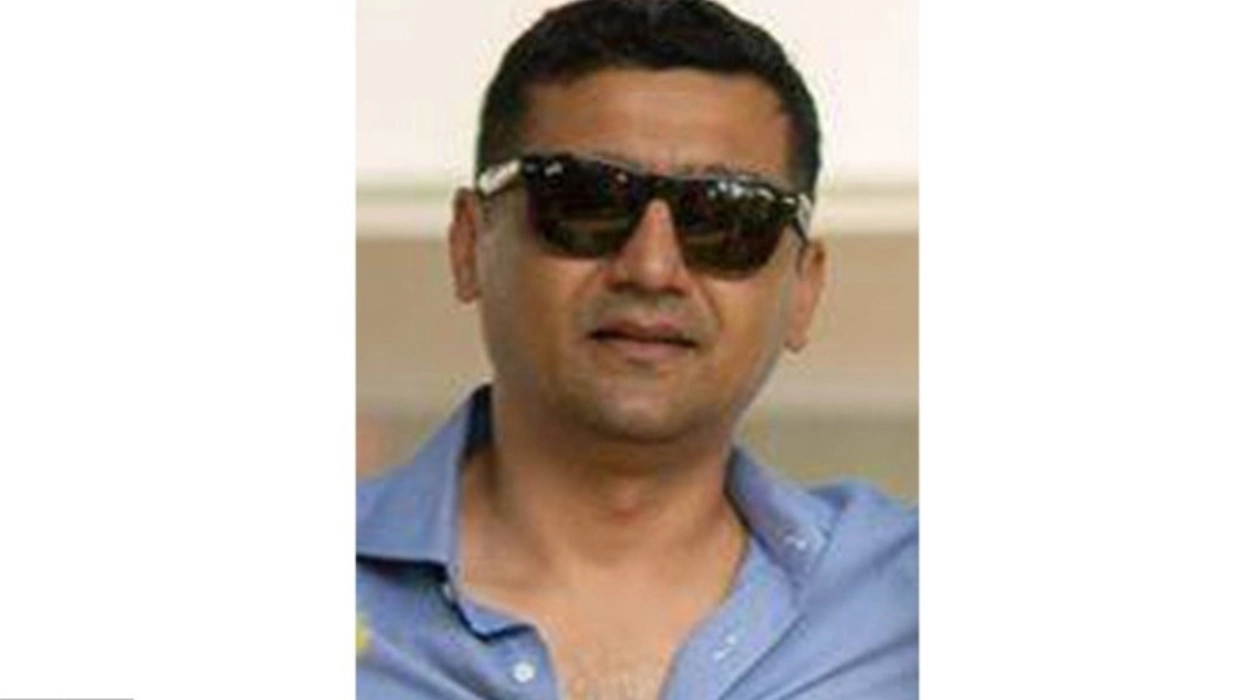
Kathmandu, April 3, 2026 — The arrest of controversial businessman Deepak Bhatta marks a turning point in Nepal’s long-standing struggle against financial corruption. On April 2, 2026, Nepal Police’s Central Investigation Bureau (CIB) detained Bhatta from Lalitpur’s Naxal area in connection with a high-profile money laundering probe. The move shattered his perceived “political umbrella,” ending years of alleged impunity despite his close ties to influential parties like the Nepali Congress and CPN (UML).
With authorities now intensifying scrutiny, Bhatta faces potential charges under the Money Laundering Prevention Act, 2064 (2007), and related financial crimes. The case centers on suspicious transactions flagged by the Financial Information Unit (FIU) of Nepal Rastra Bank, including a Rs. 450 million transfer from Jagdamba Steel to Bhatta’s personal Siddhartha Bank account in June 2021—omitted from the company’s audit report. This development follows a broader crackdown, as the Department of Immigration placed Bhatta on a watchlist on March 28, barring his exit amid fears of flight.
From Power Broker to Prisoner
Deepak Bhatta, chair of Infinity Holdings, has built a reputation as a “power broker” instrumental in securing government contracts, hydropower licenses, and regulatory appointments. His influence spans sectors like energy, defense procurement, and infrastructure, often linked to figures within the Ministry of Finance and Public Works Department. Allegations of bribing officials for favors date back to 2016, with reports of Rs. 400,000 cash handed to a bureaucrat for a Budhi Gandaki Hydropower Project contract.
The new investigation, led by the Department of Money Laundering Investigation (DMLI), gained momentum after the 2024 general elections, when the CPN (UML) and Nepali Congress formed a coalition. This shift exposed Bhatta’s vulnerabilities, as probe details leaked to the Kathmandu Post in October 2024 about Rs. 450 million in suspicious funds. On April 2, CIB chief AIG Manoj Kumar K.C. confirmed the arrest, sending Bhatta to the Nepal Rastra Bank building for 10-day remand under the Money Laundering Prevention Act.
Bhatta’s downfall signals a break from his past protection, as associates like Laxmi Bhatta (his wife, former director of the Workforce Development Board) and Kumar Deepak Bhatta (former director of Nepal Rastra Bank) face scrutiny. Political allies, including Minister Suraj Chandra Lamichhane, have remained silent, with Lamichhane’s campaign reportedly coordinated by one of Bhatta’s associates.
The Financial Trail
The FIU report, dated June 26, 2021, identified the Rs. 450 million transfer from Jagdamba Steel to Bhatta’s account as a red flag. Investigators allege layering—funneling funds through Infinity Holdings into Himalayan Reinsurance Co. Ltd., where Bhatta is a promoter—before integrating them into legitimate assets. Earlier DMLI probes in November 2022 slowed under the previous administration, allowing Bhatta to expand his network, including ties to Laxmi Bank and Kamal Bahadur Shah.
Further irregularities include oversized overdrafts at Siddhartha Bank, where transactions exceeded standard limits, and frequent travels to the U.S., Thailand, and UAE—noted by immigration authorities. The probe now examines his alleged role in security force supply contracts and the Budhi Gandaki Hydropower deal, linked to opaque bidding. No formal charge sheet exists yet, but officials hint at broader implications for Nepal Rastra Bank governance.
Political Fallout and Reactions
Bhatta’s arrest tests Nepal’s resolve to combat corruption, with anti-money laundering advocates hailing it as a landmark. The case underscores risks of political influence on financial oversight, as Bhatta’s allies like Raju K.C. and Prem Nath Tiwari operated under his patronage. The Nepal Rastra Bank board, under pressure, faces calls for renewed transparency.
Yet, questions loom over full accountability, given Bhatta’s decades-long impunity. The probe’s outcome could reshape Nepal’s financial crime landscape, especially as authorities widen it to include linked entities.