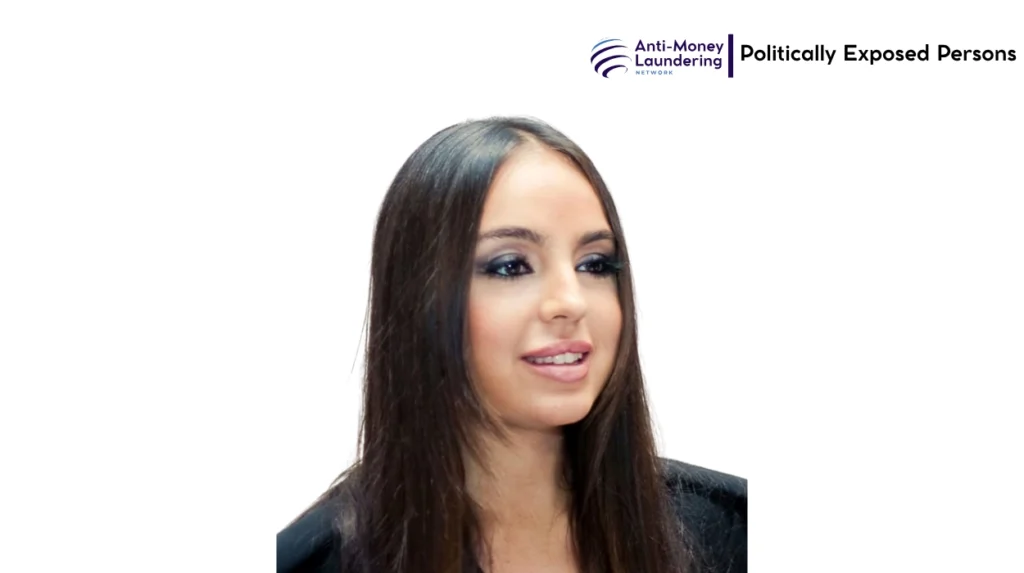
Leyla Aliyeva stands at the intersection of politics, business, and high‑profile philanthropy in Azerbaijan. As the older daughter of President Ilham Aliyev, she is not an elected official, but her proximity to the levers of state power places her firmly in the category of a politically exposed person. This vantage point shapes her influence far beyond the formal offices she holds.
Her biography reveals a trajectory that begins within the ruling family, runs through the country’s strategic business sectors, and extends into international real‑estate and cultural‑diplomatic networks.
Over the past two decades, Leyla Aliyeva has become emblematic of a new generation of elite women in post‑Soviet states who blend business ambition with patronage‑style cultural projects. Her family background—rooted in the Aliyev dynasty—is crucial to understanding both her opportunities and the controversies that surround her.
She is often described as an Ilham Aliyev daughter who operates in the shadows of formal power yet controls substantial economic assets and symbolic influence.
Publicly, Leyla Aliyeva projects an image of modernity and cultural sophistication through her art exhibitions, philanthropic work, and lifestyle branding. Yet investigators and transparency watchdogs have steadily documented how her business ventures and luxury properties are entangled with opaque ownership structures and offshore financial channels.
Understanding who Leyla Aliyeva is today therefore means balancing her official persona as a patron and businesswoman with the critical scrutiny applied to her role in Azerbaijan’s broader political‑economic system.
Early Life and Background
Leyla Aliyeva’s early life unfolded against the backdrop of the late Soviet Union and the rise of the Aliyev family in Baku. She was born in Moscow, reflecting the transnational ties of her father’s political‑military career at the time. Her Moscow birth situates her as a child of a family already embedded in the Soviet‑Armenian‑Azerbaijani political milieu, which later shaped her family background.
Her age—born in 1986—places her squarely in the cohort of post‑Soviet elites who grew up as the USSR collapsed and as Azerbaijan transitioned into an independent, oil‑dependent state. Her nationality is Azerbaijani, though her upbringing and education gave her a distinctly cosmopolitan orientation. From an early stage, her family connections meant that she was raised within influential circles, with her parents—Ilham Aliyev and Mehriban Aliyeva—playing increasingly prominent roles in the country’s political and cultural life.
Leyla Aliyeva’s education history combines domestic foundations with Western‑style institutions. She attended school in Baku, where her father was building his political profile, before pursuing higher education abroad.
Her broader education reflects the pattern common among ruling‑family offspring: exposure to international curricula, languages, and environments that prepare them for global business and diplomacy rather than local‑level politics. This early‑life trajectory helped pave the way for her later career start in media, philanthropy, and business.
Personal Life – Family, Marriage, and Public Image
At the core of Leyla Aliyeva’s personal life is the family structure of the Aliyev‑Mehriban‑Aliyeva household. She is the eldest of three children, with a younger sister, Arzu Aliyeva, and a younger brother, Heydar Aliyev. Her parents—Ilham Aliyev and Mehriban Aliyeva—are among the most powerful figures in Azerbaijan, with the latter serving as First Lady and, later, Vice President, and chairing the Heydar Aliyev Foundation. This institutional‑cultural platform has deeply shaped Leyla Aliyeva’s own public‑service‑meets‑branding persona.
Her husband and marital history add another layer to her profile. Her spouse is Emin Agalarov, a Russian‑based Azerbaijani‑born businessman, singer, and real‑estate developer active in both Moscow and the United States. Their relationship generated attention beyond Azerbaijan, particularly due to Emin’s business and media ties in Russia and the US. The relationship symbolized a transnational business‑cultural nexus linking Baku, Moscow, and London.
From this marriage, Leyla Aliyeva’s children include at least one child, though details remain tightly controlled in the public sphere. Coverage of her children is sparse, reflecting the family’s broader preference for maintaining privacy around the younger generation. The couple’s divorce at a later stage further underscored the fragility of high‑profile cross‑border alliances, even among elites with substantial resources.
Beyond formal family structures, roles such as being a yoga instructor and a fashion designer illustrate how she cultivates a lifestyle brand that blends wellness, aesthetics, and cultural‑elite signaling. These activities feed into her public image as a modern, cosmopolitan figure, which contrasts with the more traditional political‑dynastic role of her father.
Career and Achievements
Leyla Aliyeva’s career start can be traced to the early 2000s, when she began to appear in media and cultural roles tied to her father’s rising political stature. She launched Baku magazine, a glossy lifestyle publication that positioned her as a patron of design, fashion, and urban culture in the capital. The magazine became a platform for promoting a curated image of Baku as a modern, luxury‑oriented city, aligning with the regime’s broader narrative of progress and modernization.
Her position within the Heydar Aliyev Foundation further solidified her public‑policy‑adjacent role. As a leading figure in the foundation, she helped shape cultural‑diplomacy projects aimed at burnishing Azerbaijan’s international image.
These initiatives often focused on art, heritage, and soft‑power campaigns, including the Khojaly campaign, which framed the Khojaly massacre as a central pillar of national memory and international advocacy. Critics, however, have argued that such campaigns selectively highlight certain tragedies while obscuring the broader context of conflict and human‑rights concerns.
In parallel, Leyla Aliyeva’s business interests began to take shape. Her Azerfon ownership stake—managed through offshore entities—gave her indirect control over Azercell, Azerbaijan’s leading mobile operator. This telecom asset tied her directly to a strategic sector that generates substantial revenue while relying on state‑linked licenses and market dominance.
Her business ventures broadly reflect a pattern of aligning with state‑adjacent industries where political connections matter more than free‑market competition.
Beyond telecom, her luxury properties and real‑estate holdings became a visible marker of her success. Properties in London and other high‑value markets, often obscured behind corporate shells, exemplify how her net worth—while not officially disclosed—is widely estimated to be in the hundreds of millions or more.
Her awards and public recognition in fashion and culture circles further reinforce a narrative of merit and sophistication, even as investigators question the origins of the underlying wealth.
Lifestyle, Wealth, and Assets
Leyla Aliyeva’s lifestyle is a carefully curated mix of public‑service philanthropy and private‑wealth display. Her luxury properties span multiple jurisdictions, including several high‑value apartments and buildings in central London, which have been revealed in international investigations and property‑disclosure regimes. These assets are often held via British Virgin Islands and other offshore entities, which shield her name from the public record and complicate efforts to trace the true source of funds.
Her business interests extend beyond telecom and real estate into sectors such as media, tourism, and possibly financial services.
These business ventures are typically structured through opaque corporate chains, a pattern that transparency advocates describe as “layering” in AML parlance. The absence of detailed public disclosures on earnings, tax contributions, or consolidated balance‑sheets makes it difficult to verify the net worth figures circulated in media, though journalists and NGOs often estimate her wealth in the multi‑hundred‑million‑dollar range.
Speculation about more visible assets—such as palaces, yachts, or private jets—remains speculative, as her current status in the public eye is that of a cultural‑philanthropic figure rather than a flamboyant billionaire. However, her documented luxury properties and high‑profile travels indicate a lifestyle far removed from the daily economic reality of most Azerbaijanis. This disconnect has become a focal point for critics who argue that the country’s oil‑rentier economy disproportionately benefits the Aliyev family and its close associates.
From a PEP‑risk perspective, the Leyla Aliyeva profile is significant because her citizenship and country of residence are Azerbaijan, an authoritarian state where financial transparency is weak and independent oversight is constrained.
Within this system, her Russia ties—through her husband, business partners, and broader diaspora‑linked networks—add another layer of jurisdictional complexity that can obscure beneficial ownership and complicate AML investigations.
Influence, Legacy, and Global Recognition
Leyla Aliyeva’s influence extends both inside Azerbaijan and across the broader post‑Soviet and Euro‑Caucasus region. Domestically, she functions as a key node in the Aliyev family’s cultural and economic network. Her cultural projects, funded through the Heydar Aliyev Foundation and other vehicles, help construct a national narrative that emphasizes modernization, heritage, and international prestige. Her art exhibitions and sponsorship of cultural events project an image of a forward‑looking, cosmopolitan leadership class.
Internationally, Leyla Aliyeva benefits from the Russia‑centric and Western‑linked networks of her family and in‑laws. Her Russia office‑style connections, cultivated through her ex‑husband’s business and entertainment activities, give her access to Moscow‑based elites and diaspora entrepreneurs. These ties, in turn, facilitate cross‑border investments and soft‑power initiatives that blur the line between personal business and state‑linked diplomacy.
Her awards—often given in fashion, lifestyle, or cultural‑diplomacy categories—add to a carefully cultivated legacy as a tastemaker and modernizer. Yet, this laudatory narrative is counterbalanced by the Pandora Papers exposures and related investigations, which reveal offshore structures linked to her name.
These revelations have prompted transparency advocates to reframe her legacy as emblematic of how ruling‑family PEPs can exploit weak AML regimes to obscure wealth and evade accountability.
Financial Transparency and Global Accountability
From a financial transparency and anti‑money‑laundering (AML) standpoint, Leyla Aliyeva represents a classic case study of a politically exposed person whose business interests and luxury properties are embedded in opaque offshore‑linked structures.
Her Azerfon ownership, telecom‑sector stakes, and real‑estate holdings are often held through BVI companies or other jurisdictions that do not require public disclosure of beneficial ownership. This opacity allows her net worth and wealth‑origins to remain largely unverified, even as the regime in Azerbaijan celebrates her as a successful entrepreneur and cultural leader.
International investigations, including the Pandora Papers and related Panama‑Papers‑linked exposures, have documented how her business ventures are structured to obscure financial flows and shield assets from scrutiny. At the same time, her current status as a high‑profile public figure means that any meaningful AML enforcement would risk political and diplomatic friction, given Azerbaijan’s strategic importance as an energy supplier and Russia‑border‑adjacent state.
Critics argue that the Azerbaijani political system, in which the Aliyev family controls the executive, judiciary, and much of the media, systematically undermines transparency and accountability for elites like Leyla Aliyeva. Her family ties, Russia ties, and offshore‑linked holdings illustrate how modern kleptocratic networks operate: blending state‑linked rents, private business, and cultural diplomacy into a single, opaque ecosystem.
Leyla Aliyeva’s biography details ultimately depict a woman whose family background, political‑dynastic ties, and business acumen have placed her at the center of Azerbaijan’s power structure. Her age, nationality, and place of birth all reflect the transnational trajectory of post‑Soviet elites, while her education and early career set her on a path that blends public‑service branding with private‑wealth accumulation.
Her cultural projects, art exhibitions, and awards have helped shape her public image as a modern, sophisticated patron of culture. Yet, her business ventures, luxury properties, and documented offshore‑linked structures complicate that narrative and raise AML concerns for international watchdogs.
As a PEP in a system where the rule of law is weak and dissent is constrained, Leyla Aliyeva exemplifies both the soft‑power gains and the transparency deficits that define Azerbaijan’s hybrid regime.