

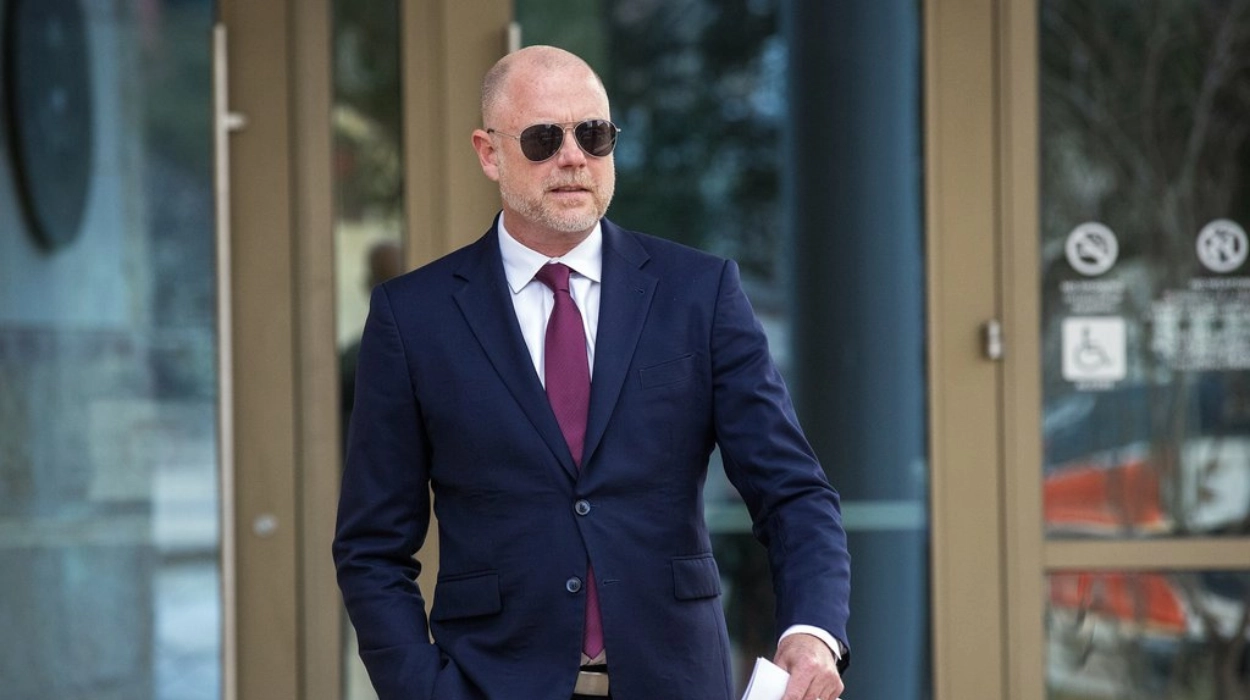
Devin Ward Elder, 47, founded DJE Texas Management Group LLC in March 2015 as a San Antonio-based real estate investment firm. The company employed dozens and focused on multifamily apartments, industrial flex spaces, land, commercial projects, and an “Income Fund.”
From January 2023 to March 2025, Elder allegedly raised over $69.5 million from about 345 investors across 17 offerings, 14 of which acquired properties via separate LLCs. Prosecutors claim he promised 10% returns, no debt, no commingling of funds, and personal co-investment—representations they deem false.
The scheme operated as a Ponzi, using new investor money for payments to earlier ones without disclosure. The FBI launched a probe in 2025, halting a civil case for criminal pursuit.
Guilty Plea and Legal Proceedings
Elder faced one count of wire fraud charged on January 28, 2026. He pleaded guilty on February 17, 2026, in the U.S. District Court for the Western District of Texas. Sentencing is set for the week of June 2, 2026, with up to 20 years possible under U.S. Sentencing Guidelines.
His sealed plea deal mandates roughly $66-69.5 million in restitution to victims. U.S. Attorneys R. Steven Skillern and Gattella are prosecuting, with FBI involvement. A judge will finalize the sentence considering statutory factors.
The South Side Foreclosure Request
Recent filings show feds requesting judicial approval for foreclosure on Brooks Business Park, a flex industrial complex on San Antonio’s South Side owned by an Elder-linked entity. The bank seeks $5.7 million owed, tying into the wire fraud case overseen by the same judge.
This follows earlier federal moves: In June 2025, the U.S. Attorney’s Office sought seizure warrants for ~1,000 acres across South Texas counties, including a South Side industrial building. That warrant, backed by FBI affidavit, targeted DJE properties amid sealed money laundering and wire fraud probes.
Brooks Business Park exemplifies assets prosecutors aim to liquidate for restitution. Corporate records confirm Elder as sole beneficiary. No public response from Elder yet; proceedings remain active as of April 2026.
Broader Asset Seizure and Forfeiture Efforts
Federal forfeiture laws allow property seizure post-conviction for crimes like wire fraud, especially if tied to proceeds. In Elder’s case, 13+ properties were flagged early, complicating sales.
DJE defaulted on loans, losing assets like the downtown Travis Building ($18.25M loan) to foreclosure in 2025. Elder sold others—a Fossil Ridge home, HQ office, complexes on Crest Drive, Fairhaven, Blanco Road—to stem losses. Investor suits allege breach of contract and fiduciary duty.
The South Side push aligns with DOJ goals: Recover funds for 345 victims nationwide. Undeveloped land pivots from apartments were hit hard. Max Wayman & Associates managed distressed selloffs from April 2025.
Investor Impact and Regulatory Context
Victims, pitched conservative deals, face total loss without restitution. DJE halted distributions February 2025, alerting no quick returns. The scandal echoes Texas syndication woes amid rising interest rates.
No official statements from Elder or counsel post-plea. U.S. Attorney’s Office commented minimally, citing ongoing matters. This case highlights wire fraud risks in real estate syndication, per DOJ.
Implications for San Antonio Real Estate
This foreclosure bid underscores federal priority on victim recovery in fraud cases. South Side’s Brooks Park, flex spaces for small businesses, risks vacancy post-sale. Local market watches for ripple effects on syndication trust.
Elder’s empire, once valued at $400M, crumbled swiftly. Parallel civil pauses favored criminal path. Investors await sentencing outcomes for fund distribution.