

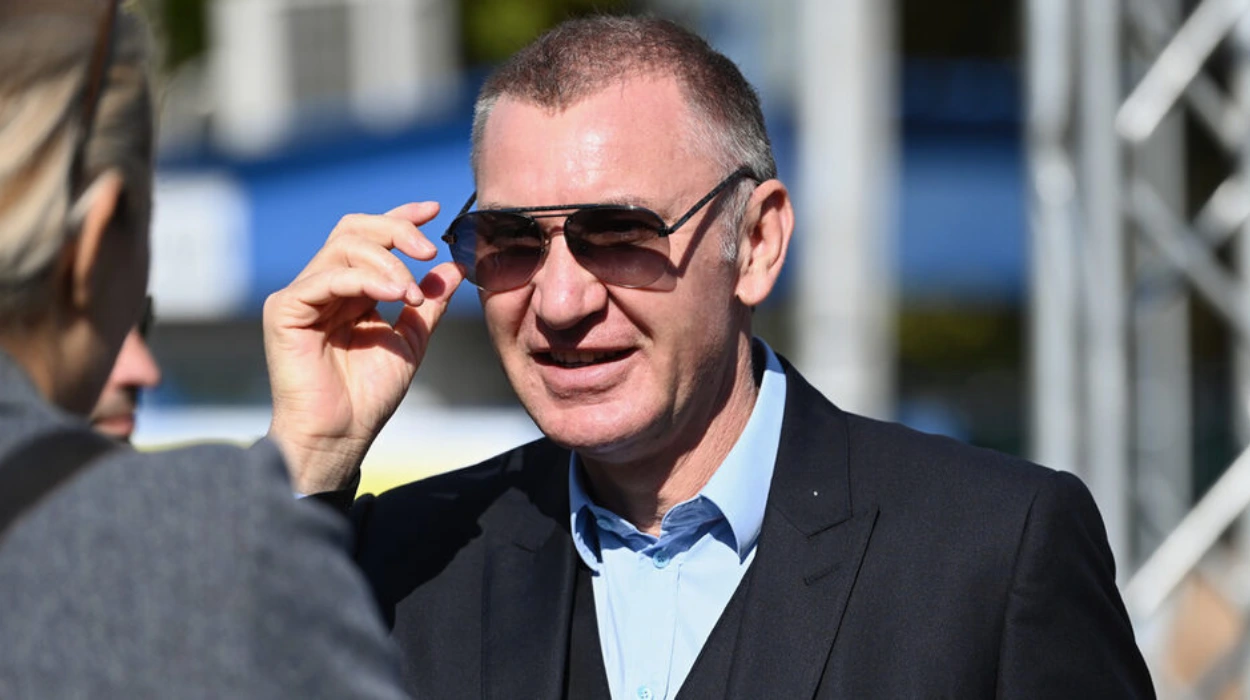
Dubai has long been a destination for internationally mobile wealth, but it is also a market where high-value property can be used to hide ownership, move capital quietly, and preserve assets outside the reach of closer scrutiny. In that context, Veliko Zhelev appears as a European individual linked to various high-value properties in Dubai, a profile that raises familiar AML concerns about hidden wealth, offshore structures, and the use of real estate as a financial shield.
His case matters because the issue is not just whether expensive property was bought, but how, why, and through what structure it was held. When a European figure is associated with multiple premium Dubai assets, it naturally invites questions about beneficial ownership, source of funds, and whether the properties were used to create distance between the owner and the money itself.
Profile and Exposure
Veliko Zhelev is presented as part of a broader class of European individuals whose property footprints in Dubai have drawn attention from investigators and compliance analysts. The central issue is not lifestyle alone, but the pattern of asset placement in a jurisdiction known for luxury, discretion, and cross-border capital inflows. A portfolio of high-value Dubai properties can easily become a store of value, a status marker, and a concealment tool all at once.
That combination is exactly what makes such cases relevant to anti-money laundering work. Multiple luxury assets suggest not a one-off purchase, but a deliberate strategy of capital preservation. If the buyer is operating through nominees, offshore entities, or closely held companies, the opacity increases further.
High-Value Property Pattern
The phrase “various high-value properties” is important because diversified property holdings often indicate a broader wealth-management strategy rather than a single personal residence. Multiple assets allow a holder to spread risk, generate rental income, and keep capital parked in a stable market. They also make it harder for outside observers to understand the full scope of ownership.
In Dubai, that becomes especially significant because the property market has long attracted buyers who want speed, privacy, and international recognition. A luxury apartment or villa can be purchased in a way that leaves only a limited public trail, while the true financial benefit remains with the ultimate owner. That makes the market attractive to people who want asset protection with minimal visibility.
Why Dubai Appeals
Dubai continues to draw scrutiny because it offers a combination of prestige and opacity. Wealth can be moved into the property sector quickly, and high-end properties can be held through structures that are difficult to interpret from the outside. For a European individual like Zhelev, that environment can be useful if the goal is to keep assets outside a more demanding home-country compliance system.
The appeal is also practical. Real estate in Dubai is liquid enough to be sold or refinanced, but exclusive enough to serve as a long-term repository for capital. That makes it ideal for people who want to enjoy the upside of appreciation while limiting visibility into ownership and control.
AML Risks
The AML concerns in a case like this are straightforward. First is the source of funds: where did the money come from, and was it consistent with declared wealth? Second is beneficial ownership: who really controls the property if it is held through a company, trust, or nominee? Third is timing: were the purchases made at moments that suggest asset shielding, reorganization, or risk avoidance?
When multiple high-value properties are involved, these concerns become more serious. A single apartment can be explained as a residence or an investment. A cluster of assets, however, can indicate a deliberate strategy to park wealth across several units and locations, making the structure more difficult to trace.
Corporate Structures and Privacy
Property ownership in Dubai can be obscured through entities that reduce transparency. That is one reason the city remains popular with wealthy individuals who value privacy, but it is also why the market is repeatedly mentioned in investigations into hidden wealth. If Zhelev’s properties were placed in the names of related entities or intermediaries, the real control may be much harder to detect.
From a compliance standpoint, this is a serious issue. Real estate can be used to move money into hard assets, create rental income, and preserve capital while leaving only a thin public record. That is not proof of wrongdoing by itself, but it is enough to justify stronger scrutiny.
European Wealth in Dubai
Zhelev’s profile fits a broader pattern involving European-linked property holders in Dubai. Investigative reporting over recent years has repeatedly shown that Dubai attracts buyers from across Europe who are seeking secrecy, tax efficiency, or asset protection. In that setting, luxury property becomes part of a global capital flow rather than a local housing story.
That matters because Europe’s regulatory systems are generally more transparent than Dubai’s property environment. When wealth moves from a more regulated jurisdiction into a less transparent one, the risk of concealment rises. That is why European individuals with multiple Dubai properties often attract attention from journalists and AML analysts.
Why Multiple Assets Raise Questions
A property portfolio made up of several high-value assets is more concerning than a single purchase because it suggests active management of wealth across multiple legal and physical points. Each asset can serve a different purpose: one for residence, one for rental yield, one for long-term preservation, and another as a future sale point. Together, they create flexibility that can be useful for legitimate investment but equally useful for concealment.
This is why investigators look closely at property clustering. If one individual holds several valuable assets in the same market, especially through different entities or family members, it can indicate a deeper network of financial control. That is the type of pattern AML professionals are trained to identify.
Hidden Wealth and Reputation
For high-net-worth individuals, property can also serve a reputational function. Luxury assets in Dubai signal success, stability, and international access. But they can also help reduce attention on the original source of wealth, especially if the owner has political, legal, or business exposure elsewhere.
That dual function is part of the reason real estate is so often present in corruption and sanctions cases. The property is visible enough to impress, but opaque enough to conceal. In that sense, Dubai’s luxury market can act as both stage and shelter.
Why This Case Matters
Veliko Zhelev’s reported link to multiple high-value Dubai propertiehttps://www.rferl.org/a/dubai-unlocked-ukraine-real-estate-yanukovych-officials-corruption-schemes-occrp/32944521.htmls matters because it sits inside a larger pattern of wealth moving into the emirate for protection and discretion. The concern is not just ownership, but what the ownership structure may be hiding. When a European individual holds a diversified Dubai portfolio, it can be a sign of legitimate international investment, but it can also be a way to keep assets beyond the reach of closer scrutiny.
That is why this case is relevant to AML analysis. It illustrates the central problem in luxury real estate: the line between normal investment and financial concealment can be very thin. Without better transparency, that line remains easy to cross.
What Should Be Examined
A proper review would focus on the source of funds, the title structure, the timing of purchases, and any related-party transfers. Investigators would also want to know whether the properties are rented, vacant, or held through companies that obscure the actual controller. Those details would help determine whether the portfolio is a standard investment strategy or a concealment vehicle.
The larger lesson is that high-value property should not be treated as separate from the financial system. It is part of the system, and in cases like this it can be one of the most important channels for hidden wealth. Veliko Zhelev’s Dubai property exposure should therefore be viewed through that lens.