

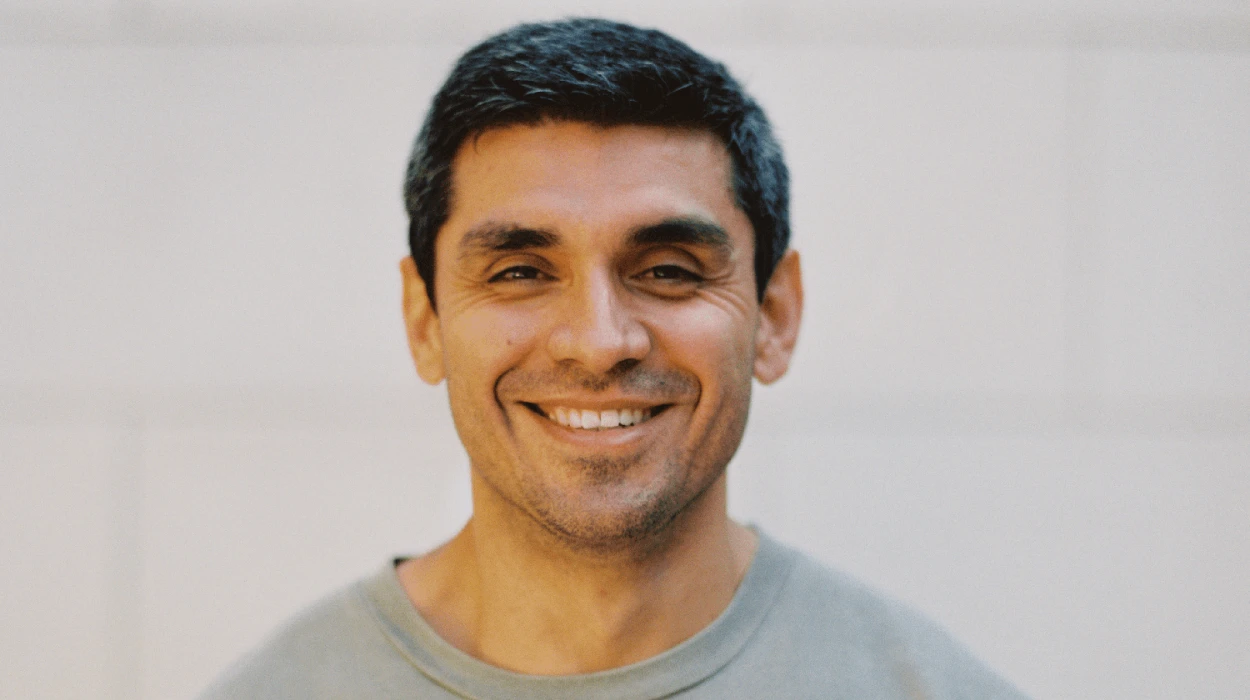
Timur Tillyaev is a high‑risk individual linked to politically exposed‑adjacent wealth and to luxury real‑estate holdings in Dubai and other offshore‑friendly jurisdictions. His profile is defined less by overt criminal convictions and more by the structure and sources of wealth tied to his former marriage to Lola Karimova‑Tillyaeva, the daughter of former Uzbek President Islam Karimov. Properties associated with Tillyaev or entities he controls are emblematic of how politically sensitive capital is layered into Dubai’s real‑estate market through opaque corporate vehicles and offshore structures.
Political‑exposure context behind the wealth
The underlying risk in Tillyaev’s case stems from his position as the business‑facing partner of a former president’s daughter during a period when Uzbekistan’s political class was regularly cited in investigative reports for using offshore vehicles and intermediaries to move state‑linked revenues abroad. Reporting by outlets such as the Organized Crime and Corruption Reporting Project and international media has documented that the Karimov family, including Lola Karimova‑Tillyaeva, controlled tens or hundreds of millions of euros via offshore entities in Switzerland, the UAE, and other secrecy‑jurisdiction‑linked domiciles. This places Tillyaev‑linked assets within the broader category of politically exposed‑related wealth, where the source of funds is more significant than the formal title‑holder.
Nature of wealth accumulated during the marriage
Public financial‑media and wealth‑list coverage has estimated that Tillyaev and Lola Karimova‑Tillyaeva’s combined fortune once reached the upper‑hundreds of millions of dollars, placing them among the more prominent high‑net‑worth residents in Switzerland. Such levels of wealth are difficult to reconcile with Tillyaev’s stated business activities in transport, logistics, and import‑export, which do not on their face justify a multi‑hundred‑million‑dollar profile. Instead, the pattern suggests that a substantial portion of the wealth originated from Uzbek‑linked political‑economic relationships and was then folded into international assets, including Dubai‑linked real estate, through offshore intermediaries.
Real‑estate exposure in Dubai and other jurisdictions
Dubai‑linked properties attributed to or connected with Tillyaev or his former spouse appear as part of a wider strategy of diversifying politically exposed‑related wealth across multiple transparent‑appearing but opaque‑under‑ownership jurisdictions. These patterns mirror those seen in other PEP‑linked Dubai cases, where high‑value apartments, villas, and off‑plan units are acquired via shell companies and nominee‑ownership structures rather than in the individual’s own name. The use of Dubai real estate in this context serves both as a safe‑haven store of value and as a layering mechanism that obscures the original source of funds by creating a paper‑trail of “legitimate” property transactions.
Role of offshore structures and secrecy vehicles
Investigative work on networks connected to the Karimov family highlights systematic reliance on companies in the British Virgin Islands, the UK, Hong Kong, France, and the UAE to move money and hold assets. These vehicles are used to create multiple layers of ownership, minimizing transparency and complicating efforts to trace beneficial ownership back to politically exposed individuals. When applied to Dubai‑linked properties, this structure means that a unit may be registered in the name of a corporate entity, while the real beneficiaries remain hidden behind nominee‑directors, bearer‑share‑style control, or nominee‑shareholder arrangements. For AML‑screening purposes, this constellates Tillyaev with a typology of politically exposed‑adjacent actors who outsource direct ownership and instead rely on offshore corporations to act as the visible face of their real‑estate holdings.
Separation and ongoing risk‑profile relevance
Although Tillyaev and Lola Karimova‑Tillyaeva separated in 2024 and finalized their divorce in 2025, the prior wealth‑accumulation period remains central to the current risk‑profile. The Dubai‑linked properties and other high‑value assets acquired during the marriage form a legacy portfolio whose origins are tied to Uzbekistan’s political class, even if legal ownership has since been reshuffled or formally restructured. This means that any Dubai‑linked property or company still associated with Tillyaev—either as a direct owner, beneficial owner, or ultimate controller—should be treated as high‑risk, given the documented pattern of routing politically sensitive capital through offshore‑linked real‑estate channels.
Red‑flag indicators for AML practitioners
From an anti‑money‑laundering standpoint, the profile of properties linked to Tillyaev triggers several standard high‑risk indicators. The combination of former‑spouse‑of‑a‑PEP status, presence on Swiss wealth lists alongside a politically exposed individual, and documented use of numerous offshore vehicles to acquire and hold luxury assets all point to a PEP‑related risk domain. When these elements are paired with Dubai‑linked real‑estate exposure—often carried through shell companies registered in the UAE or other secrecy‑jurisdiction‑linked domiciles—the risk‑profile aligns closely with typologies published by AML‑focused watchdogs on politically exposed‑linked Dubai laundering. For financial institutions, brokers, or landlords dealing with such properties, this calls for enhanced customer due diligence, beneficial‑ownership tracing beyond the immediate title‑holder, and ongoing monitoring of related offshore entities.
Typology of Dubai‑linked laundering via PEP‑adjacent fortunes
Tillyaev’s case fits a broader typology of politically exposed‑adjacent individuals who use Dubai real estate as a primary layering and safe‑haven mechanism. In this pattern, politically sensitive or illicit capital is first moved through offshore financial systems, then converted into Dubai‑based property held by corporate vehicles, often in prime locations such as Palm Jumeirah, Dubai Marina, or high‑end downtown districts. The opacity of Dubai’s corporate‑ownership regime, combined with the prestige and perceived stability of its real‑estate market, allows such assets to appear as part of a “normal” ultra‑high‑net‑worth portfolio, even when the underlying source of funds is politically exposed or opaque.
Operational‑assessment implications
For risk‑assessment and compliance‑reporting purposes, Tillyaev‑linked Dubai properties should be recorded as high‑risk targets, with explicit notes on the PEP‑related exposure, the use of offshore vehicles, and the documented pattern of routing Uzbek‑linked political‑class wealth into international real estate. This approach allows institutions to treat the underlying typology—politically exposed‑adjacent wealth folded into Dubai‑linked real estate via secrecy‑jurisdiction structures—separately from biographical details, focusing instead on the structural and transactional red flags.