

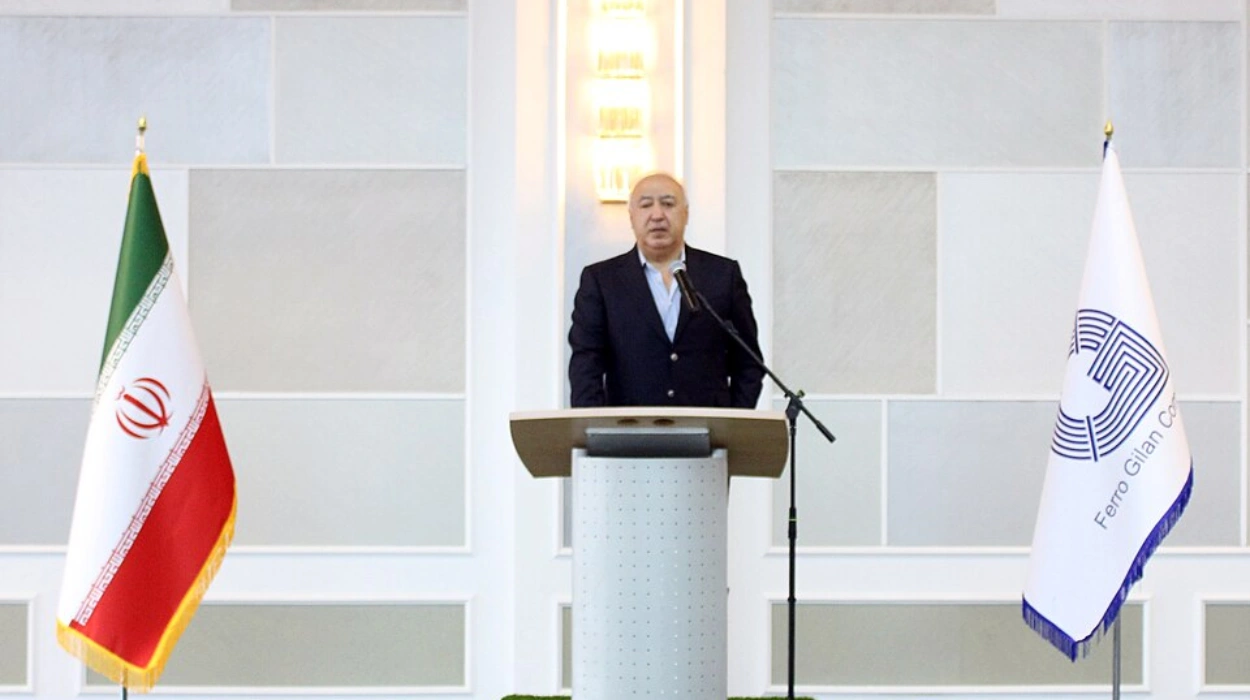
Dubai’s luxury real estate market has long served as a global safe haven for illicit wealth, attracting convicted criminals, politically exposed persons, and Iranian elites with ties to corruption and state-related enterprises. Among the most prominent cases identified in the multinational Dubai Unlocked investigation and AML Network’s Global Web of Corruption report is Rasul Danialzadeh, an Iranian steel magnate convicted of bribery and bank fraud. Despite receiving a 16-year prison sentence in Iran, Danialzadeh owns approximately $12.6 million worth of property in Dubai, including five apartments in the upscale Al-Thanyah Fifth community and a villa on the Palm Jumeirah, illustrating how high-value assets are used to store and conceal wealth derived from serious financial crimes.
The Conviction Behind the Dubai Properties
Rasul Danialzadeh is a convicted Iranian steel magnate sentenced to 16 years in prison for bribery. According to Iran’s judiciary, he was also one of the country’s largest bank fraudsters. In 2020, the Iranian judiciary stated that Danialzadeh owed banks approximately four thousand billion tomans, equivalent to around $334 million at the time. His crimes include systematic bribery, large-scale bank fraud, and manipulation of financial and industrial systems tied to Iran’s steel and banking sectors.
Despite his conviction and imprisonment, leaked Dubai property data reveals that Danialzadeh holds significant real estate assets in the UAE. He owns at least seven properties in Dubai, including five apartments in the Al-Thanyah Fifth community and one villa on the Palm Jumeirah. The combined estimated value of these properties is approximately $12.6 million. This stark contrast between his prison sentence and his continued ownership of luxury real estate abroad underscores the challenge of cross-border asset recovery and the use of Dubai as a haven for illicit wealth.
The Architecture of Danialzadeh’s Dubai Property Exposure
Danialzadeh’s property portfolio in Dubai follows a classic money laundering and asset-concealment pattern. The portfolio includes multiple high-value residential units in two of Dubai’s most prestigious locations: Al-Thanyah Fifth and Palm Jumeirah. Al-Thanyah Fifth is an upscale residential community known for its apartments and villas favored by affluent buyers, while Palm Jumeirah is one of the world’s most iconic luxury address.
The portfolio structure supports several money laundering objectives. Multiple properties allow for diversification of risk and easier layering of funds. High-value residential units convert illicit cash into tangible, appreciating assets. Ownership through personal or corporate titles can obscure beneficial ownership. The properties can be held, rented, or sold to further clean or transfer wealth. For a convicted Iranian national, Dubai also provides geographic and regulatory distance from Iran’s enforcement mechanisms.
The fact that Danialzadeh’s properties remain in his name or under his control despite his 16-year prison term highlights the difficulty of enforcing asset freezes and cross-border judgments in cases involving sanctioned jurisdictions and opaque ownership structures.
Why Al-Thanyah Fifth and Palm Jumeirah Matter
Al-Thanyah Fifth is a well-established residential community in Dubai known for its premium apartments and villas. It is popular among high-net-worth individuals seeking prestigious addresses with strong resale value. Palm Jumeirah is one of the world’s most recognizable luxury real estate locations, with villas and apartments that command premium prices and attract international buyers. Both locations are favored by wealthy Iranians and other nationals from sanctioned jurisdictions seeking to store significant wealth in stable, high-value assets.
Dubai’s real estate regulatory environment has historically enabled foreign buyers to purchase property with limited disclosure of fund sources and beneficial ownership. Transactions can be conducted in cash or via corporate structures, and price inflation in off-plan and secondary market sales can further facilitate layering of illicit funds. These features make properties in Al-Thanyah Fifth and Palm Jumeirah particularly attractive for individuals seeking to launder money and protect assets from domestic enforcement.
Compliance and Risk Profile
Rasul Danialzadeh presents an extreme high-risk compliance profile. He is an Iranian national from a heavily sanctioned jurisdiction with documented patterns of capital flight and corruption-linked wealth transfers. His conviction carries a 16-year prison sentence for bribery and includes allegations of one of Iran’s largest bank fraud cases, involving approximately $334 million in unpaid bank debt. His Dubai portfolio includes five apartments in Al-Thanyah Fifth and a villa on Palm Jumeirah, with a combined estimated value of approximately $12.6 million.
The source of funds used to acquire these properties is not publicly disclosed, and no transparent beneficial ownership record is available. His inclusion in the Dubai Unlocked investigation, based on leaked C4ADS property data and coordinated international reporting, adds strong credibility to concerns about the illicit origin of his assets. Any financial institution, real estate developer, counterparty, or service provider with existing or prospective ties to Danialzadeh should treat this record as a material adverse finding requiring enhanced due diligence, source-of-funds verification, and senior-level escalation.
Broader Context: Iranian Economic Figures and Dubai Real Estate
Danialzadeh’s case is part of a much larger pattern. The Dubai Unlocked investigation reveals that thousands of Iranians own properties in Dubai worth billions of dollars. Many are linked to corruption cases, fuel smuggling, bank fraud, gold mining, and other economic crimes, or are relatives of high-ranking officials and Revolutionary Guards members.
Some Iranian owners hold dozens or even hundreds of properties. One economic convict is linked to more than 135 properties, while a bank fraudster is associated with over 300 units. Many hold dual nationalities or foreign passports, enabling them to acquire and hold assets abroad while facing legal challenges in Iran. Danialzadeh’s $12.6 million portfolio of apartments and a Palm Jumeirah villa fits squarely within this broader pattern of Iranian elites using Dubai real estate to launder and protect wealth derived from bribery, bank fraud, and other serious financial crimes.
Properties Linked to Rasul Danialzadeh
Leaked property data identifies seven confirmed properties linked to Rasul Danialzadeh. These include five apartments in the Al-Thanyah Fifth community in Dubai and one villa on Palm Jumeirah. The combined estimated value of these properties is approximately $12.6 million. The data originates from the Dubai Unlocked investigation based on leaked C4ADS property records and is further referenced in AML Network’s Global Web of Corruption reporting.
The case of Rasul Danialzadeh illustrates an extreme and high-risk pattern in which a convicted Iranian steel magnate and bank fraudster continues to hold a multi-million-dollar real estate portfolio in Dubai despite serving a 16-year prison sentence. His five apartments in Al-Thanyah Fifth and villa on Palm Jumeirah, valued at approximately $12.6 million, are flagged in leaked property data as part of a broader network of illicit wealth stored in the UAE.