

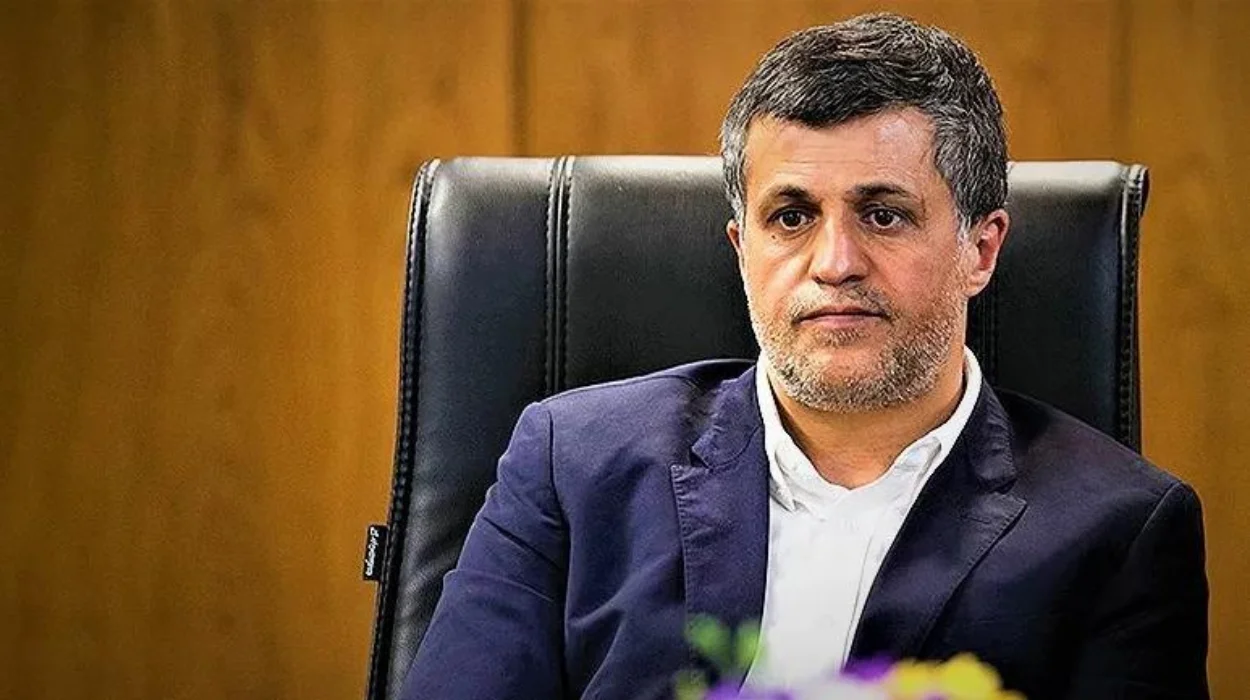
Dubai’s luxury real estate market remains a top global destination for storing and concealing wealth, particularly for individuals from sanctioned jurisdictions such as Iran. Among those flagged in the multinational Dubai Unlocked investigation and AML Network’s Global Web of Corruption report is Yasser Hashemi Rafsanjani, an Iranian national who owns two apartments in the Burj Khalifa, the world’s tallest building. The combined value of these properties is approximately $1.45 million, placing them in the ultra-luxury segment and raising serious concerns about the origin of funds and potential links to corruption, political influence, or illicit financial flows.
The Wealth Behind the Burj Khalifa Apartments
Yasser Hashemi Rafsanjani is identified in leaked Dubai property records as the owner of two apartments in the Burj Khalifa, located in downtown Dubai. The combined estimated value of these units is around $1.45 million. The Burj Khalifa is one of the most prestigious and recognizable addresses in the world, attracting high-net-worth individuals, politically exposed persons, and elites from across the Middle East and beyond.
While public records do not disclose a specific criminal conviction for Hashemi Rafsanjani, his inclusion in the Dubai Unlocked dataset alongside other convicted Iranian economic figures, politically exposed persons, and individuals with state ties signals strong suspicion of illicit wealth origins. The name “Hashemi Rafsanjani” also carries significant political weight in Iran, as it is associated with the prominent Hashemi Rafsanjani political family, which has produced multiple senior political figures, including former president Akbar Hashemi Rafsanjani. This connection, whether direct or indirect, increases the political exposure and money laundering risk associated with his assets.
The high value and iconic status of the Burj Khalifa apartments suggest that Hashemi Rafsanjani’s capital originates from substantial financial flows that would warrant enhanced scrutiny under international anti-money laundering standards.
The Architecture of Hashemi Rafsanjani’s Dubai Property Exposure
The core risk in Hashemi Rafsanjani’s case lies in the combination of his Iranian nationality, the high value and prestige of his Dubai property, the potential political exposure linked to his name, and the opacity surrounding the source of funds used to acquire the apartments. Dubai’s real estate market has historically enabled foreign buyers to purchase property with limited disclosure of beneficial ownership and fund sources, making it easier to conceal the true origin of wealth.
This typology typically involves channeling illicit proceeds through cash deposits, corporate structures, or third-party intermediaries before purchasing luxury real estate. The property then functions as a stable store of value that can be held, rented, or sold with relative ease, effectively laundering money by converting it into a legitimate-seeming asset. For Iranian nationals, Dubai also offers a geographic and regulatory buffer that insulates assets from domestic enforcement, sanctions, or asset freezes.
The ownership of two apartments in the same iconic tower further suggests a deliberate strategy to consolidate high-value assets in a single, prestigious location that commands strong resale value and international recognition.
Why Burj Khalifa and Dubai Matter
The Burj Khalifa is not only the world’s tallest building but also one of the most iconic luxury real estate addresses on the planet. Apartments in the tower are highly sought after by elites, politicians, and high-net-worth individuals seeking a globally recognized address with strong appreciation potential. Ownership of property in the Burj Khalifa signals significant wealth and status.
Dubai’s broader real estate environment reinforces this attractiveness. Foreign buyers can purchase property with minimal scrutiny of fund sources, ownership can be held personally or through corporate entities with opaque beneficial ownership, and transactions can be conducted in cash or via complex financing arrangements. These features collectively create an environment where luxury residential assets like Hashemi Rafsanjani’s Burj Khalifa apartments can serve as effective vehicles for money laundering and asset concealment.
Compliance and Risk Profile
Yasser Hashemi Rafsanjani presents an elevated high-risk compliance profile for financial institutions, real estate professionals, and counterparties operating in or with exposure to the UAE and Iran. He is an Iranian national, a jurisdiction subject to extensive international sanctions and associated with documented capital flight and corruption-linked wealth transfers. His properties are two apartments in the Burj Khalifa, with a combined estimated value of approximately $1.45 million, consistent with assets used to store significant illicit wealth.
The source of funds used to acquire the apartments is not publicly disclosed, and no transparent beneficial ownership record is available. His inclusion in the Dubai Unlocked investigation, which is based on leaked C4ADS property data and coordinated reporting by multiple international outlets, adds credibility to concerns about the illicit or politically sensitive origin of his assets. The potential political exposure linked to the “Hashemi Rafsanjani” name further elevates the risk, as it may indicate ties to senior Iranian political figures or networks. Any entity with existing or prospective ties to Hashemi Rafsanjani should treat this record as a material adverse finding requiring enhanced due diligence, source-of-funds verification, senior-level escalation, and consideration of politically exposed person (PEP) protocols.
Broader Context: Iranian Economic Figures and Dubai Real Estate
Hashemi Rafsanjani’s case is part of a much larger pattern. The Dubai Unlocked investigation reveals that thousands of Iranians own properties in Dubai worth billions of dollars. Many of these individuals are linked to corruption cases, fuel smuggling, bank fraud, gold mining, and other economic crimes, or are relatives of high-ranking officials and Revolutionary Guards members.
Some Iranian owners hold dozens or even hundreds of properties. One economic convict is linked to more than 135 properties, while a bank fraudster is associated with over 300 units. Many hold dual nationalities or foreign passports, enabling them to acquire and hold assets abroad while facing legal challenges in Iran. Hashemi Rafsanjani’s two Burj Khalifa apartments, valued at approximately $1.45 million, fit squarely within this broader pattern of Iranian elites and politically exposed individuals using Dubai real estate to launder and protect wealth derived from questionable or illicit sources.
Properties Linked to Yasser Hashemi Rafsanjani
Leaked property data identifies two confirmed assets linked to Yasser Hashemi Rafsanjani. Both are apartments located in the Burj Khalifa in downtown Dubai, with a combined estimated value of approximately $1.45 million. The data originates from the Dubai Unlocked investigation based on leaked C4ADS property records and is further referenced in AML Network’s Global Web of Corruption reporting.
The case of Yasser Hashemi Rafsanjani illustrates a recurring and high-risk pattern in which Iranian nationals acquire high-value residential real estate in Dubai, potentially using proceeds from corruption, political influence, financial crime, or sanctioned activities. His two apartments in the Burj Khalifa, valued at approximately $1.45 million, are flagged in leaked property data as part of a broader network of illicit and politically sensitive wealth stored in the UAE.