

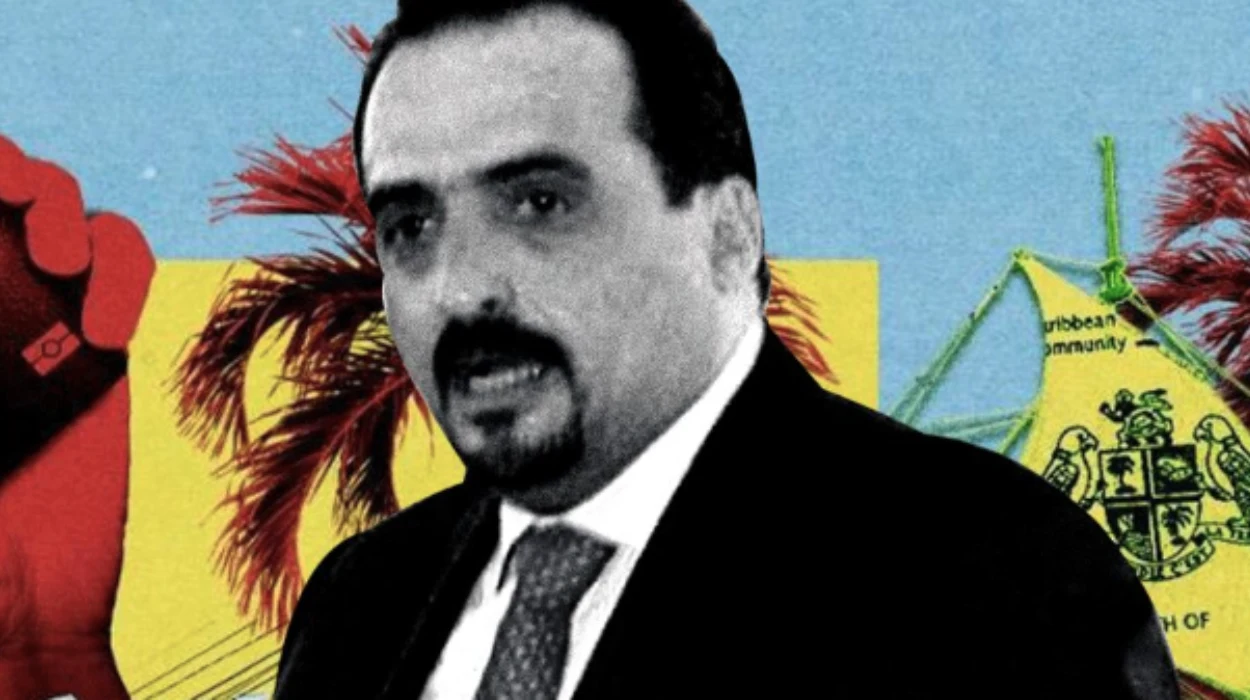
Hassan Nasser Jaafar al‑Lami, widely known in Iraqi financial circles as “Abu Rami,” is an Iraqi‑born banker and businessman who has become a central figure in investigations into corruption, money‑flows, and sanctions‑evasion through Iraq’s banking sector. Public investigative dossiers describe him as a major owner and chairman of several Iraqi financial institutions, including Trans Iraq Bank and Iraqi Noor Islamic Bank, giving him a powerful platform to channel domestic and regional capital into cross‑border assets. His profile is marked by repeated allegations of dollar‑smuggling, forged‑invoice schemes, and ties to politically exposed networks, which has drawn the attention of both domestic security agencies and foreign regulators.
Role in Iraq’s banking and financial architecture
Al‑Lami’s influence extends well beyond a single institution, with ownership stakes or board positions in multiple Iraqi banks, exchange‑house networks, and investment‑linked vehicles. Documents from regional and international investigations show that entities he controls or co‑owns were repeatedly implicated in Iraq’s dollar‑auction system, where billions of U.S. dollars are transferred to commercial banks for import and trade finance. Such structures have been accused of funneling dollars into parties linked to Iranian‑backed networks, militias, and sanctioned actors, prompting corrective actions by Iraq’s central bank and foreign financial‑crime watchdogs. These exposures reinforce the perception of al‑Lami as a “kingmaker” within Iraq’s post‑2003 financial‑sector elite, with access to both state‑sponsored liquidity and opaque private‑wealth channels.
Multiple apartments and property assets
Parallel to his banking footprint, investigative reporting points to Hassan Nasser Jaafar al‑Lami as the owner or beneficial controller of multiple apartments and property assets, including Dubai‑linked real‑estate holdings. These assets are often structured through offshore entities, nominee companies, or foreign‑registered real‑estate firms, obscuring the direct link between his Iraqi‑based banking operations and the underlying property titles. The pattern suggests a deliberate strategy of diversifying concentrated, politically sensitive wealth into high‑value, yield‑producing real‑estate portfolios located in stable jurisdictions, where the primary risk appears to be reputational rather than legal—unless the provenance of the funds is independently challenged.
Dubai and international real‑estate footprint
While specific Dubai‑addressed titles are not always tied directly to his name in open registries, data‑leak and investigative projects have traced property‑linked entities and shell companies to al‑Lami’s wider network. These include UK‑registered real‑estate‑oriented firms established under his Dominican citizenship, which investigators describe as part of a broader effort to own and administer property‑portfolio vehicles from outside Iraq. The use of dual‑citizenship structures, combined with real‑estate‑focused entities in London and other financial hubs, allows him to layer control over apartments and land‑based projects without exposing the full extent of his holdings in any single jurisdiction. This architecture mirrors the behavior of other regional elites who treat Dubai‑ and Gulf‑area real‑estate as a secure, high‑image asset class for laundering and sheltering funds.
Money‑laundering and corruption nexus
The significance of al‑Lami’s property portfolio lies in its likely connection to corruption‑related and illicit financial flows generated through Iraq’s banking system and public‑contract networks. Investigative outlets have documented his role in networks that exploited Iraq’s dollar‑auction mechanism, using forged invoices and shell companies to redirect state‑allocated currency into private accounts and cross‑border transfers. In parallel, his controlled or co‑owned banks have been restricted from foreign‑currency operations due to risks of indirect support to sanctioned entities, underscoring the regulatory discomfort with the people and entities he is associated with. Viewed against this backdrop, his multiple apartments and property assets appear less as conventional investments and more as vehicles for converting tainted domestic receipts into durable, hard‑asset form.
Sanctions‑related and reputational exposure
Al‑Lami’s business ecosystem also intersects with entities and individuals placed on U.S. and international sanctions‑related lists, increasing the reputational risk for any counterparty that interacts with his assets or corporate structures. The fact that several banks and financial‑transfer companies he controls or co‑owns have been barred from key foreign‑currency programmes, scrutinised by Iraqi regulators, or linked to Iranian‑backed networks amplifies the red‑flag potential for international landlords, managers, and financiers. For compliance departments, the presence of a known Iraqi‑linked banker with multiple Dubai‑style apartments suggests the need to treat such real‑estate exposures as high‑risk and subject to enhanced due‑diligence protocols, including source‑of‑funds and source‑of‑wealth checks that extend beyond surface‑level ownership documents.
Risk profile for Dubai and Gulf‑area markets
The case of Hassan Nasser Jaafar al‑Lami illustrates how Iraq‑linked, politically exposed capital can materialise in Gulf‑area real‑estate markets through a dense web of corporate layering and cross‑border registration. His multiple apartments and property assets, when viewed as part of a broader financial‑crime pattern, highlight the risk that high‑value towers and residential complexes in Dubai may host opaque, high‑risk portfolios derived from Iraq’s dollar‑auction and banking‑sector vulnerabilities. This pattern feeds into concerns about the region’s role as a “safe‑harbour” for politically sensitive funds, pressuring local regulators and developers to strengthen beneficial‑ownership disclosure and to adopt more rigorous customer‑risk classification frameworks for real‑estate buyers from Iraq and similar jurisdictions.
Regional networks and Gulf‑linked intermediaries
Beyond the individual‑level exposure, al‑Lami’s property‑linked entities are embedded in wider regional networks that include Jordanian‑based exchange houses, Lebanese financial actors, and Gulf‑area intermediaries. These networks historically facilitated the movement of funds between Iraq and neighbouring countries, often using trade‑related documentation and real‑estate‑backed structures to rationalise large‑scale transfers. Investigators have traced his controlled or co‑owned money‑transfer firms to locations in Jordan and the Levant, where regulatory scrutiny has intermittently led to closures or sanctions‑related interventions. The persistence of these networks, even as some entities are formally wound down, underscores how his multiple apartments and property assets may be supported by resilient, cross‑border financial channels that continue to operate below the radar of mainstream compliance tools.