

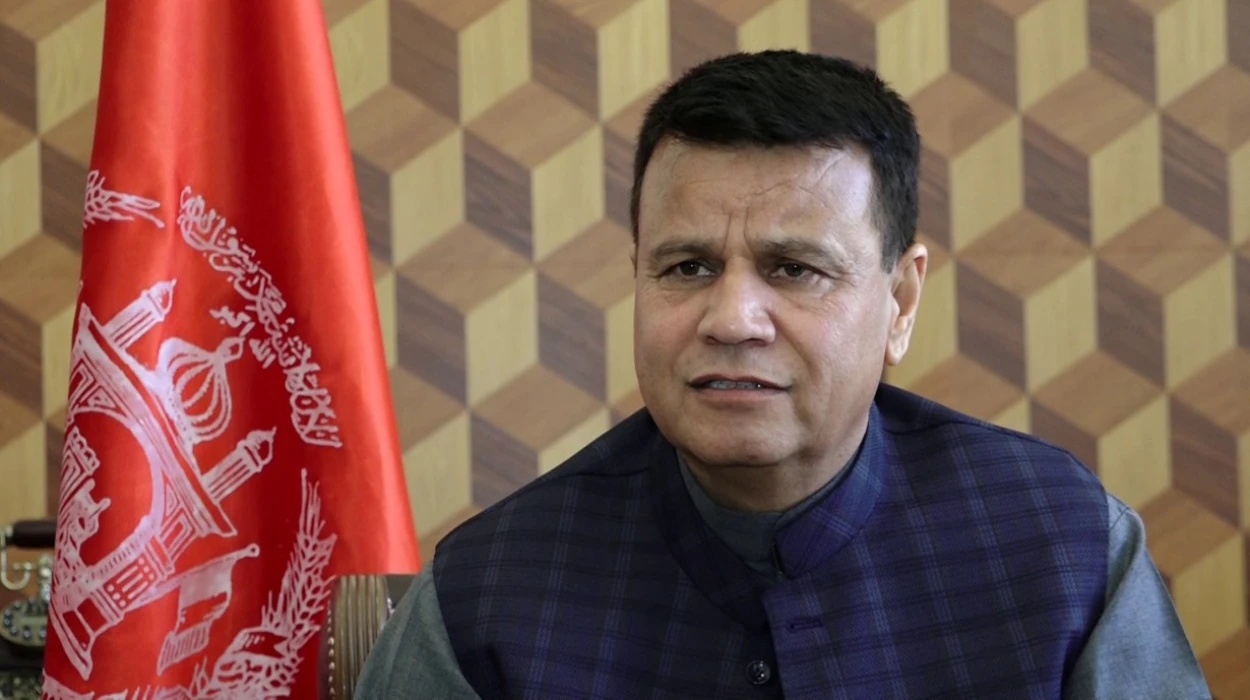
Mir Rahman Rahmani is an Afghan‑national investor whose name has surfaced in regional financial‑crime and real‑estate‑monitoring discussions due to his substantial property holdings in Dubai. Public investigative narratives position him as part of a broader cohort of Afghan‑linked individuals who have moved capital into the UAE’s high‑value residential market, often using layered corporate structures to obscure their ultimate beneficial‑ownership stakes. His profile is particularly notable because it intersects with concerns about post‑conflict wealth, political connections, and the opacity of cross‑border real‑estate transactions from fragile‑state economies.
Dubai real‑estate footprint
Rahmani’s Dubai portfolio is anchored by two residential towers and two villas in The Meadows, a gated‑community‑style residential district in Dubai known for its villas, townhouses, and mid‑rise buildings. The combined value of these assets is estimated at around 15.2 million dollars, reflecting a significant concentration of wealth in a single, well‑positioned Dubai neighbourhood. The Meadows is popular among expatriates and regional investors seeking family‑oriented compounds with amenities, and its relatively secluded layout makes it attractive for high‑net‑worth individuals who prefer privacy over high‑street visibility.
Structure and opacity of ownership
Available investigative material suggests that Rahmani’s towers and villas are held through entities or nominee arrangements rather than in his personal name on public registries, which is consistent with wider patterns seen among Afghan‑linked real‑estate owners in the UAE. This corporate layering serves to distance the underlying beneficial owner from the visible title‑holder, complicating the ability of banks, regulators, and due‑diligence teams to trace the source of funds and the true economic rationale behind the investment. The use of offshore or free‑zone companies to own multiple residential towers and villas can also mask the scale of an individual’s exposure, turning a single person into a network‑style presence in Dubai’s property market.
Link to Afghanistan‑related capital flows
The relevance of Rahmani’s Dubai holdings lies in their potential connection to Afghan‑origin capital, including proceeds from trade, services, or politically exposed networks operating in or around Afghanistan. The post‑2001 reconstruction period and the surge in foreign‑aid‑linked activity generated substantial new wealth streams, some of which migrated into regional real‑estate hubs such as Dubai. By acquiring not just individual units but entire residential towers and multiple villas, an investor like Rahmani can convert domestically concentrated or politically sensitive funds into durable, internationally recognised assets that are easier to manage, sell, or leverage across borders.
Risk profile for financial institutions
From a compliance perspective, the presence of an Afghan‑linked individual with two residential towers and two villas valued at approximately 15.2 million dollars raises several red flags. The combination of a fragile‑state origin, high‑value UAE‑based holdings, and likely opaque corporate‑ownership structures suggests that the underlying transaction should be subject to enhanced customer due‑diligence and transaction‑monitoring. Banks, real‑estate agents, and mortgage providers must scrutinise any financing, service‑charge flows, or resale‑related transactions connected to these towers and villas for signs of fund‑layering, over‑valuation, or links to politically exposed persons or high‑risk jurisdictions.
Reputational implications for Dubai’s property sector
The case of Mir Rahman Rahmani also features in broader debates about Dubai’s role as a destination for Afghan‑linked elite capital, where entire towers and villa compounds can be quietly absorbed into the city’s ever‑expanding residential fabric. Investigative projects have highlighted how high‑value Afghan‑linked buyers often cluster in specific neighbourhoods, favouring gated communities and low‑density compounds that offer both privacy and status. This pattern fuels concerns that Dubai’s real‑estate market may, in some segments, function as a de facto safe‑harbour for politically sensitive or poorly documented wealth, prompting calls for stronger beneficial‑ownership disclosure and more systematic risk‑based monitoring of large‑ticket purchases from conflict‑affected regions.