

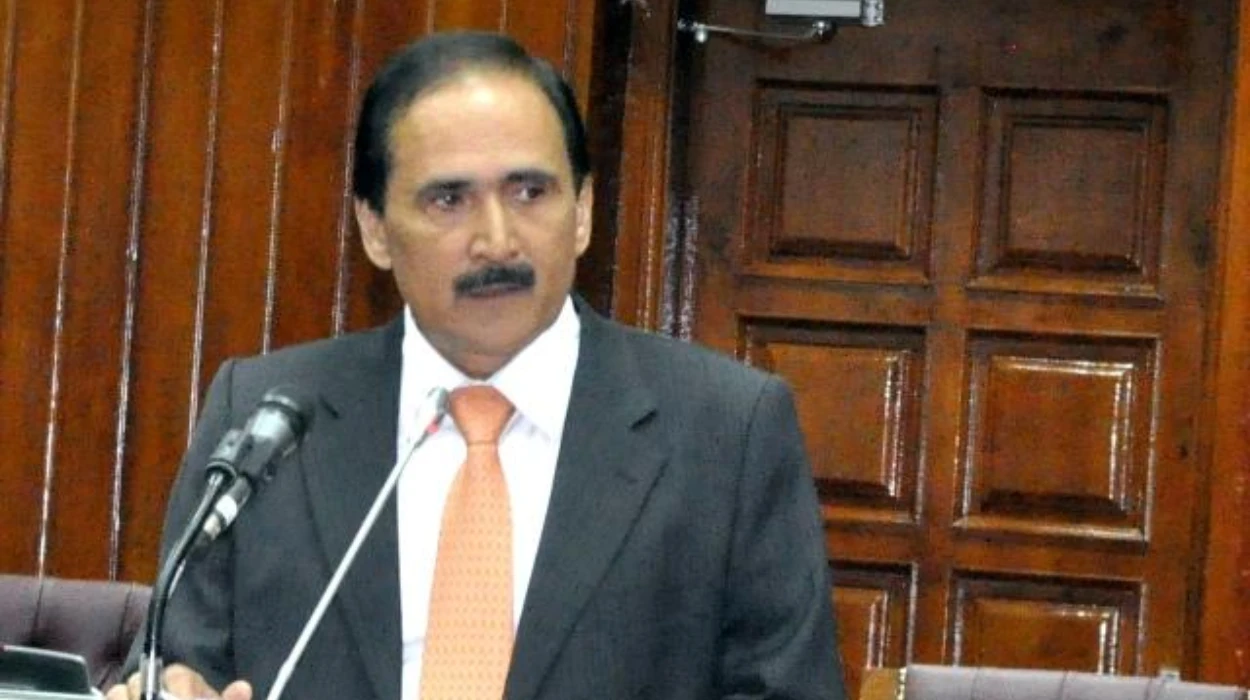
Amirzai Sangin is an Afghan‑national figure whose profile extends beyond the public policy and regulatory sphere into the realm of high‑value real‑estate investment, particularly in Dubai. Known for his earlier roles in Afghanistan’s communications and financial‑sector‑adjacent institutions, Sangin has gradually emerged in investigative and due‑diligence narratives as a politically connected individual with ties to networks involved in cross‑border capital flows. His Afghan‑linked background, combined with a history of proximity to state‑managed financial systems, places him in a category of clients where wealth sources are often difficult to reconcile with disclosed income, making real‑estate ownership a primary area of scrutiny.
Undisclosed luxury property holdings
Sangin’s Dubai exposure is characterised by undisclosed luxury property holdings, with indications that he controls or benefits from multiple high‑end residential units spread across prestigious Dubai districts. These assets are rarely listed under his personal name in open registries, instead appearing through corporate vehicles, nominee structures, or offshore entities registered in free‑zone or low‑transparency jurisdictions. This opacity aligns with broader patterns in which Afghan‑linked elites convert domestically concentrated or politically sensitive wealth into Dubai‑based luxury real estate, relying on layering to obscure the size and origin of the underlying capital.
Multiple residential units across Dubai
The available investigative and analytical thread suggests that Sangin’s footprint includes multiple residential units rather than a single showcase property, a pattern that points to a portfolio‑style approach. These units are typically located in mid‑rise or high‑rise towers catering to expatriate and regional investors, with amenities and management structures that shield individual owners from direct public visibility. The concentration of several units under common or related entities enhances the risk that these properties function less as primary residences and more as cash‑flow vehicles or asset‑conversion tools, particularly when their acquisition timelines coincide with periods of heightened currency or capital‑control pressure in Afghanistan.
Ownership structure and beneficial‑ownership opacity
The true ownership of Sangin’s Dubai assets is believed to be obscured by layered corporate wrappers, including UAE‑registered companies, offshore‑linked holding structures, and, in some instances, family‑ or nominee‑controlled entities. This architecture allows for the separation of legal title‑holders from the ultimate beneficial owner, complicating the ability of banks, real‑estate agents, and regulators to perform meaningful source‑of‑funds and source‑of‑wealth checks. For compliance teams, the presence of Afghan‑linked, politically exposed individuals behind such structures is a classic red flag, especially when the underlying real‑estate holdings are high‑value and widely dispersed across different towers or neighbourhoods.
Link to Afghanistan‑related capital and risk
The significance of Amirzai Sangin’s luxury‑property network lies in its likely connection to Afghan‑related capital flows, including proceeds from public‑sector‑adjacent roles, service contracts, or politically exposed networks. Afghanistan’s post‑2001 financial‑environment has been marked by weak transparency, informal value‑transfer systems, and exposure to external sanctions and corruption‑related pressures, all of which increase the risk that some of the wealth channelled into Dubai real estate is politically sensitive or poorly documented. By investing in multiple luxury units rather than a single asset, an individual can fragment and diversify exposure, making it harder to detect the full scale of the underlying portfolio.
Risk profile for financial institutions
From an anti‑money‑laundering and compliance perspective, the combination of an Afghan‑linked, politically exposed individual with undisclosed luxury property holdings and multiple residential units in Dubai represents a high‑risk scenario. Financial institutions must scrutinise any transactions connected to entities or persons associated with Sangin for potential fund‑layering, over‑valuation, or links to politically exposed persons or high‑corruption‑risk sectors. This includes not only mortgage‑related financing and property‑service charges but also resale‑driven flows, tenant‑income streams, and cross‑border remittances that may be routed through corporate‑owned residential portfolios. Treating such exposures as high‑risk and subject to enhanced due‑diligence is essential to mitigate the risk of unwittingly facilitating the laundering of Afghan‑origin capital.
Reputational risks for Dubai’s real‑estate sector
The case of Amirzai Sangin also feeds into wider concerns about Dubai’s role as a destination for Afghan‑linked, politically sensitive, or opaque wealth. When multiple residential units are quietly absorbed into luxury towers and premium compounds under layers of corporate ownership, the broader market reputation can suffer, particularly if external investigations later expose these holdings as part of corruption‑related or illicit‑funds networks. For developers, property managers, and regulators, this pattern underscores the need for stronger beneficial‑ownership disclosure, more systematic monitoring of politically exposed clients, and greater transparency in the sale and management of high‑value residential units.
For AML and financial‑intelligence units, the Sangin case illustrates how a single Afghan‑linked individual can anchor a dispersed luxury‑property network across Dubai, with multiple units held under indirect or opaque structures. Mapping these holdings into a broader network‑risk view—linking entities, service providers, and intermediaries—can reveal patterns of fund‑recycling, repeated transactions, and potential sanctions‑evasion strategies