

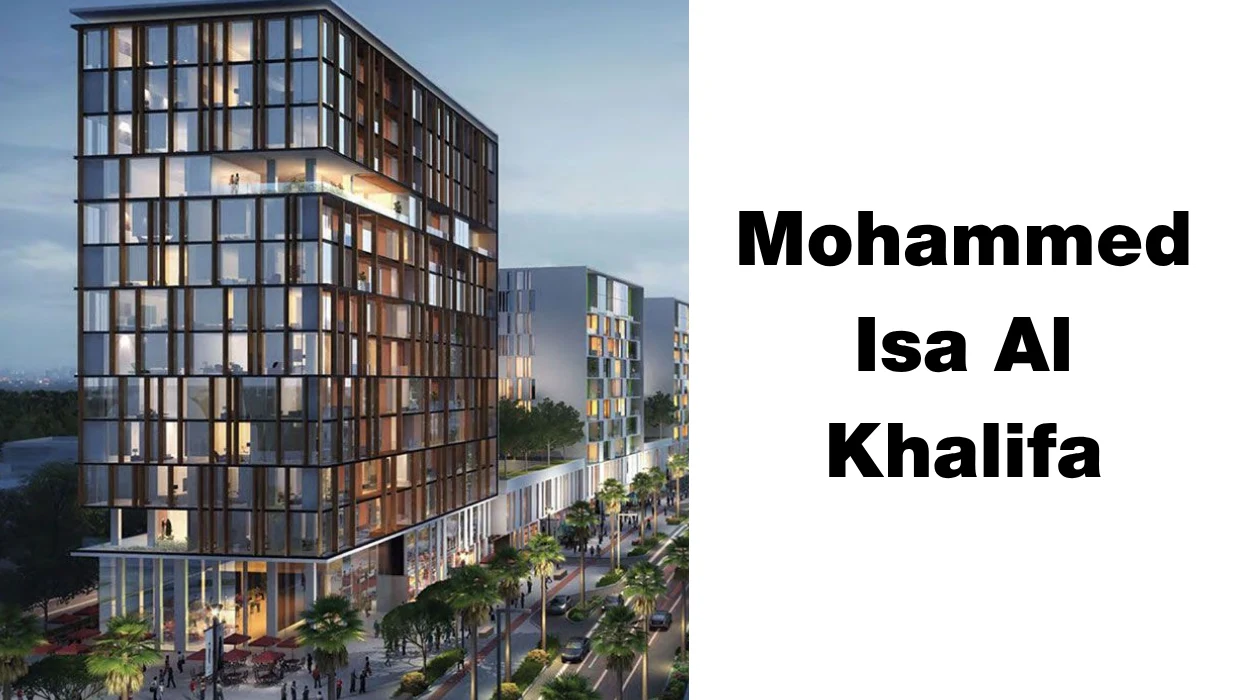
Mohammed Isa Al Khalifa is a Bahraini‑national investor whose profile has emerged in regional financial‑crime and real‑estate‑monitoring discussions due to his ownership of multiple high‑value apartments in Dubai. As a Gulf‑linked client, his position differs from fragile‑state‑origin individuals because his capital flows are often routed through stable regional banking and investment‑services channels, which can obscure the distinction between legitimate business activity and politically sensitive or politically exposed wealth. His Bahraini background, combined with the choice of high‑end apartment assets in Dubai, places him in the category of clients requiring careful source‑of‑funds and source‑of‑wealth scrutiny, even when the underlying jurisdiction appears financially stable.
Dubai apartment‑portfolio exposure
Al Khalifa’s Dubai real‑estate exposure is characterised by a portfolio of multiple high‑value apartments, likely concentrated in premium towers and districts such as Dubai Marina, Downtown Dubai, or Palm‑Jumeirah‑adjacent towers. These apartments are typically mid‑rise or high‑rise residential units with views, amenities, and management structures that appeal to long‑term investors seeking yield and liquidity. The term “multiple high‑value apartments” suggests that his holdings are not limited to a single asset but form a diversified, income‑generating residential‑portfolio rather than a showcase‑class trophy property. This structure is consistent with Gulf‑linked investors who treat Dubai real estate as a mainstream asset class rather than a niche or purely speculative venture.
Ownership structure and risk indicators
The available indicative pattern suggests that Mohammed Isa Al Khalifa’s apartments are held through a mix of direct personal ownership and corporate or nominee wrappers, depending on the building and the acquisition timing. In some cases, Gulf‑linked buyers opt for individually registered titles to simplify asset‑management and tax‑treatment; in others, they use free‑zone or offshore‑linked entities to separate legal ownership from beneficial‑control. This hybrid approach increases the complexity of tracing the true source of funds, particularly when the underlying capital originates from Bahrain‑linked businesses, real‑estate ventures, or politically exposed networks. For compliance teams, the presence of a Bahraini‑linked client with multiple high‑value apartments should trigger enhanced due‑diligence, including cross‑linked customer‑risk classification and consolidated portfolio monitoring.
Political and financial‑risk context
The significance of Al Khalifa’s apartment portfolio lies in its potential connection to Bahrain‑linked political and financial capital, including proceeds from state‑adjacent contracts, real‑estate‑development projects, and cross‑border investment vehicles. While Bahrain’s financial‑sector environment is more transparent and regulated than many fragile‑state jurisdictions, it still operates within a regional ecosystem marked by political complexity, varying degrees of corruption‑related exposure, and sanctions‑linked vulnerabilities. By converting domestically anchored wealth into Dubai‑based high‑value apartments, an investor such as Al Khalifa can diversify risk, shield assets from regional volatility, and leverage Dubai’s stable real‑estate market and banking infrastructure for long‑term wealth‑preservation and potential liquidity.
Risk profile for financial institutions
From a compliance perspective, the ownership of multiple high‑value apartments by a Bahraini‑linked individual represents a high‑risk exposure for banks, real‑estate intermediaries, and mortgage providers. Any transaction involving these apartments—financing, service‑charge payments, rental income, or resale activity—must be treated as potentially exposing institutions to politically sensitive capital, fund‑layering, or indirect links to politically exposed persons or high‑risk sectors. Enhanced due‑diligence protocols, including source‑of‑funds and source‑of‑wealth checks, cross‑family‑member‑risk mapping, and consolidated portfolio monitoring, are essential to mitigate these exposures and ensure that the underlying capital is clearly documented and legitimate. This is particularly important in Dubai, where apartment‑portfolio investors may repeat transactions across multiple towers and districts, creating complex, interconnected exposure patterns.
Reputational implications for Dubai’s apartment market
The case of Mohammed Isa Al Khalifa also highlights how Bahrain‑linked politically exposed or politically connected capital can materialise in Dubai’s high‑rise apartment districts, such as Dubai Marina and Downtown Dubai. When multiple high‑value apartments are quietly absorbed into such developments under individually registered or family‑linked titles, the broader market reputation is at risk of being associated with Gulf‑linked elites whose wealth sources may not be fully transparent. This pattern feeds into concerns about the UAE’s role as a safe‑harbour for politically sensitive or poorly documented capital from within the Gulf Cooperation Council region, prompting regulators and developers to strengthen beneficial‑ownership disclosure and to adopt more rigorous customer‑risk classification frameworks for buyers from Bahrain and similar high‑risk jurisdictions.
For anti‑money‑laundering and financial‑intelligence units, the Al Khalifa case illustrates how a single Bahraini‑linked individual can anchor a dispersed apartment‑portfolio network across Dubai, with multiple high‑value units held under direct and indirect structures. Mapping these holdings into a broader network view—linking entities, service providers, and intermediaries—can reveal patterns of fund‑recycling, repeated transactions, and potential sanctions‑evasion strategies.