

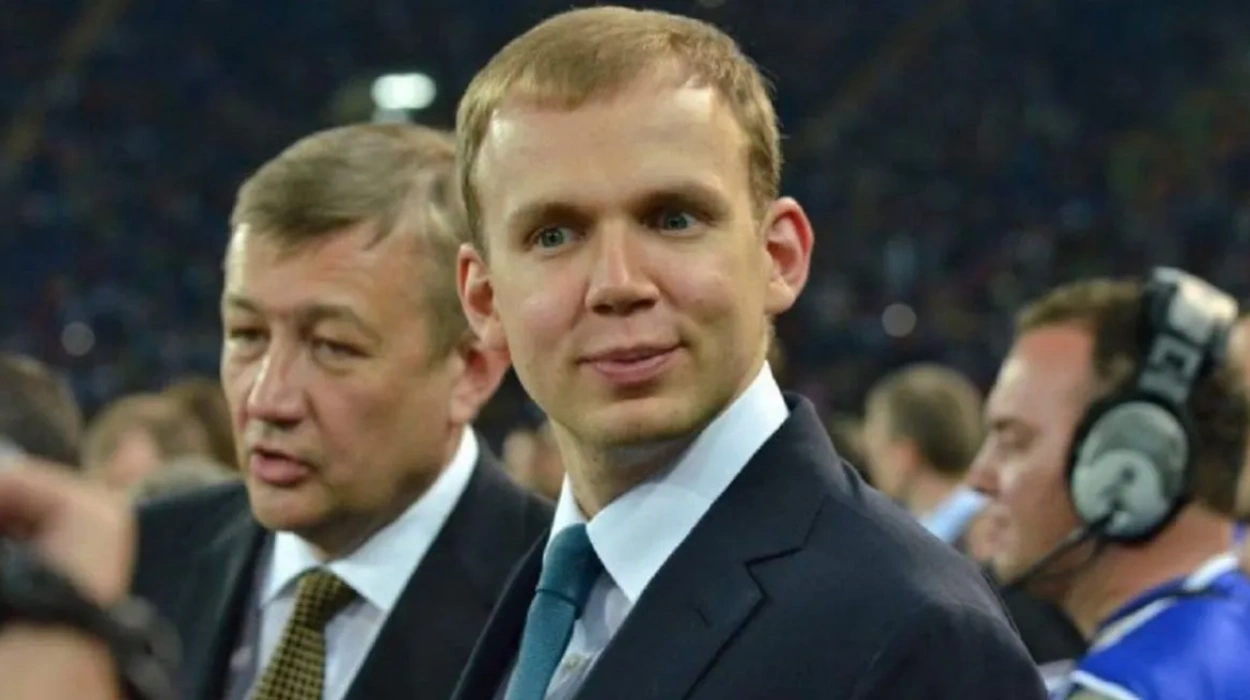
Serhiy Kurchenko, a Ukrainian‑born businessman once dubbed “Yanukovych’s wallet” and “the billionaire from nowhere,” rose to prominence during the last years of Viktor Yanukovych’s rule, rapidly amassing a gas‑based fortune and controlling media and internet assets across Ukraine and Russia. Investigations by Ukrainian authorities have linked him to the alleged theft of around one billion dollars from the state, leading to multiple criminal cases and eventual exile to Russia, where he continues to operate under a cloud of sanctions and financial‑crime allegations. This background makes him a classic case study for AML‑focused scrutiny of offshore real‑estate holdings, including Dubai’s luxury market.
Profile of a Sanctioned Post‑Soviet Oligarch
Kurchenko’s ascent followed the familiar script of post‑Soviet political‑economic patronage: he headed the VETEK Group of Companies, which expanded into the media‑heavy UMH Group and controlled dozens of Ukrainian and Russian internet brands, radio stations, and magazines, including the Ukrainian edition of Forbes until U.S. sanctions barred further use of the brand. Western and Ukrainian authorities have since described him as a key figure in looting state gas and energy rents, using layered corporate structures and opaque transfers to siphon public funds. His fugitive status and residence in Russia have only amplified concerns that his wealth is being sheltered in jurisdictions with weaker beneficial‑ownership controls, such as certain Gulf and offshore real‑estate hubs.
Palm Jumeirah as a Luxury‑Haven Corridor
Dubai’s Palm Jumeirah, with its high‑value villas, penthouses, and waterfront mansions, has become a preferred destination for politically exposed and sanctioned post‑Soviet elites seeking to diversify away from more transparent markets. The island’s mix of free‑zone‑linked entities, nominee‑director services, and flexible off‑plan and resale structures offers fertile ground for masking the ultimate beneficiaries of multimillion‑dollar transactions. For figures like Kurchenko, Palm Jumeirah‑linked properties can function as a de facto “safe‑haven corridor”: physical assets that appear legitimate on the surface while being shielded by offshore wrappers and nominee‑owning companies that obscure the source of funds and beneficial‑ownership trails.
Extensive Real Estate Investments in Palm Jumeirah
Publicly available records and investigative datasets do not yet provide a single, fully itemized list of Serhiy Kurchenko‑named units on Palm Jumeirah, but broader AML‑oriented analyses of Yanukovych‑linked Ukrainian elites show a clear pattern of luxury‑property acquisition in Dubai, including on the Palm. Multiple reports on Ukrainian ex‑officials and tycoons have documented multimillion‑dollar condominiums and villas purchased via Cyprus‑registered entities, nominee directors, and interconnected free‑zone companies, precisely the mechanisms that earlier sanctions and financial‑crime investigations have already linked to Kurchenko’s network in Europe and Russia. Given his documented history of rerouting embezzled funds through offshore structures, any Palm Jumeirah‑linked exposure attributed to his circle raises serious questions about whether these high‑end properties are being used to launder or legitimize wealth generated from alleged state‑level theft.
Layers of Hidden Ownership and Nominee Structures
Investigators stress that the real risk in cases like Kurchenko’s lies not in the headline price of a villa, but in the invisible chain of control behind it. A typical pathway might involve a BVI‑ or Cyprus‑registered holding company taking title to a Palm‑based unit, appointed with a local nominee director or a service‑provider‑owned entity, while the actual source of funds flows from a series of offshore bank accounts or shell companies previously tied to gas‑related schemes or media‑asset stripping. This pattern mirrors the laundering techniques documented in earlier European‑based probes into his activity, where layers of corporate vehicles were used to obscure the movement of embezzled state funds. Palm‑Jumeirah‑style transactions, with their flexible payment plans and assignment‑of‑contract options, can be easily grafted onto this same structure, allowing politically sensitive wealth to be housed in Dubai‑registered real estate without directly tying the oligarch’s name to the deed.
AML Red Flags for Palm Jumeirah Transactions
From a compliance and AML perspective, the Kurchenko case underscores the importance of treating Ukrainian‑linked high‑value buyers on Palm Jumeirah as presumptively high‑risk, especially when they operate through offshore entities or nominee‑directed structures. Lenders, brokers, and title companies should scrutinize not only the immediate buyer on the contract, but also the underlying corporate‑ownership chain, any prior sanctions or investigations involving the individual or their group, and the source‑of‑funds trail across multiple jurisdictions. Rapid off‑plan resales, large upfront cash deposits, or use of historically opaque hubs such as Cyprus or certain offshore centers should trigger enhanced due‑diligence and red‑flag alerts, even if the transaction appears to be a routine luxury‑real‑estate purchase. In Kurchenko’s context—where prior gas‑related embezzlement schemes have already been documented—any Palm Jumeirah‑linked exposure linked to his network becomes a particularly sensitive indicator of potential continued efforts to launder or legitimize politically tainted wealth.