

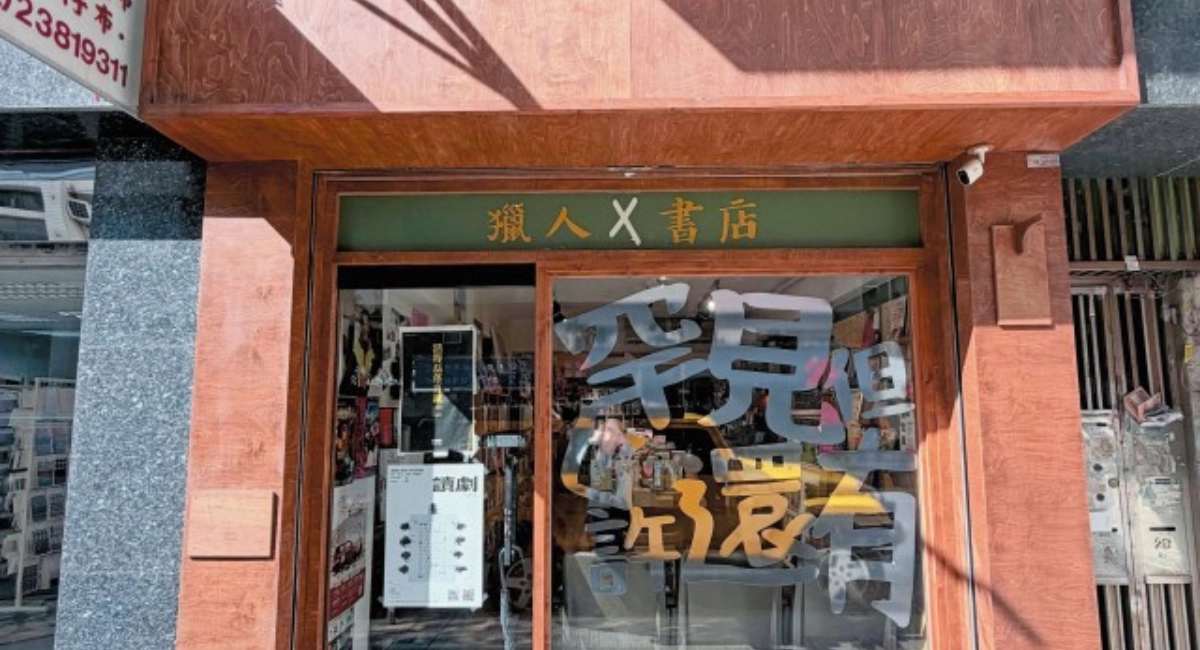
The Hong Kong National Security Department on Wednesday arrested a former district councillor and a second person in connection with activities at Hunter Bookstore in Sham Shui Po, saying the pair displayed and sold publications and organised events that authorities deem seditious and received funds allegedly linked to foreign political organizations, police said. Items including books and documents were seized from the shop and the suspects’ residences as part of the probe, the statement added.
Authorities said the arrests followed investigations into exhibitions and youth‑focused events held at the bookstore that, investigators allege, carried a seditious tone and sought to incite contempt for the HKSAR government, the judiciary and law enforcement agencies. Police further alleged the suspects had received multiple remittances from overseas organisations; the money‑handling aspect of the case has prompted a separate charge of dealing with proceeds of indictable offences under the Organised and Serious Crimes Ordinance, according to the announcement.
Who was arrested and where
Local media and police statements identified the bookstore owner, a 33‑year‑old former district councillor, and a 32‑year‑old man among those detained in the morning raid at Hunter Bookstore on Ki Lung Street in Sham Shui Po. Police said both individuals were being held on suspicion of breaching provisions aimed at preventing seditious acts and on suspicion of money laundering tied to alleged foreign political funding.
Police account and legal basis
The National Security Department said the case involves alleged violations of the Safeguarding National Security Ordinance’s anti‑sedition provisions and the Organised and Serious Crimes Ordinance’s money‑laundering rules, which together carry substantial penalties if convictions are secured. According to police, exhibits included titles they described as “seditious,” such as biographies and works connected to high‑profile pro‑democracy figures, and printed materials that allegedly glorified the 2019 unrest, which the force said could incite hatred toward public institutions.
Prosecutors are reportedly treating the alleged inflows from abroad as further evidence that the shop had links to foreign political organizations, a line of inquiry that, if pursued, could bring additional legal scrutiny under laws targeting foreign interference and funding.
Background on Hunter Bookstore and previous scrutiny
Hunter Bookstore had drawn attention previously for selling titles that authorities and pro‑Beijing outlets said defamed central and SAR governments and for hosting independent literary and civic events that were popular among younger readers, according to local reports. The shop had reportedly displayed a planned biography of jailed media tycoon Jimmy Lai and other materials by outspoken critics, which police cited when describing the content seized as seditious.
Observers note the case follows broader enforcement trends since the passage of new security measures and the 2024 Safeguarding ordinance, with authorities increasingly scrutinising public spaces, publications and civic gatherings for material they consider a threat to stability.
Responses from the suspects and supporters
At the time of reporting, there was no public statement from the arrested former councillor or her legal representatives in response to the charges; media outlets cited unnamed sources linking the arrestees to Hunter Bookstore’s operation. Rights groups and some overseas observers quickly reacted, with non‑governmental organisations calling for transparency and the protection of free expression, while cautioning against the criminalisation of peaceful literary activities; a human rights organisation described the detentions as concerning for civic space.
Legal experts’ perspective
Legal analysts said the combination of sedition‑related charges under the Safeguarding National Security Ordinance and money‑laundering allegations under organised crime legislation indicates the authorities are using multiple statutes to broaden the scope of the case, a strategy that can raise the stakes for defendants and complicate defence work. They also noted that alleged receipt of overseas remittances can be framed as evidence of political foreign interference—a sensitive legal and political issue that has figured prominently in recent enforcement actions.thestandard.
Potential penalties and judicial process
If convicted under sedition provisions of the Safeguarding National Security Ordinance, defendants face multi‑year prison terms; money‑laundering convictions under the Organised and Serious Crimes Ordinance carry additional penalties, including lengthy custodial sentences, the legal sources said. The arrested individuals are expected to be transferred to police custody pending formal charges and potential prosecution, with court appearances to follow under Hong Kong’s criminal procedure.
Impact on bookstores, publishers and civic events
The raid and arrests are likely to raise further concerns among independent booksellers, publishers and event organisers about the boundaries of permissible content and the legal risks of hosting politically themed talks, exhibitions or youth‑oriented gatherings, industry sources said. Past cases and recent enforcement patterns have already narrowed civic space for certain political speech, prompting some cultural operators to self‑censor or curtail programming that could attract scrutiny.
What to watch next
Key developments to monitor include whether prosecutors bring formal charges, the specific statutes cited in any indictment, the evidence the government presents regarding alleged foreign remittances, and the legal defence mounted by the accused. Observers will also watch how the courts interpret overlapping uses of national security and organised‑crime laws in cases involving publications and civil society activity.
Context for international readers
The incident is part of a wider pattern of enforcement in recent years, during which Hong Kong authorities have used a combination of national security, sedition and organised‑crime laws to pursue a range of pro‑democracy actors, activists and civil society figures, generating international attention and debate over free expression and rule‑of‑law implications.