

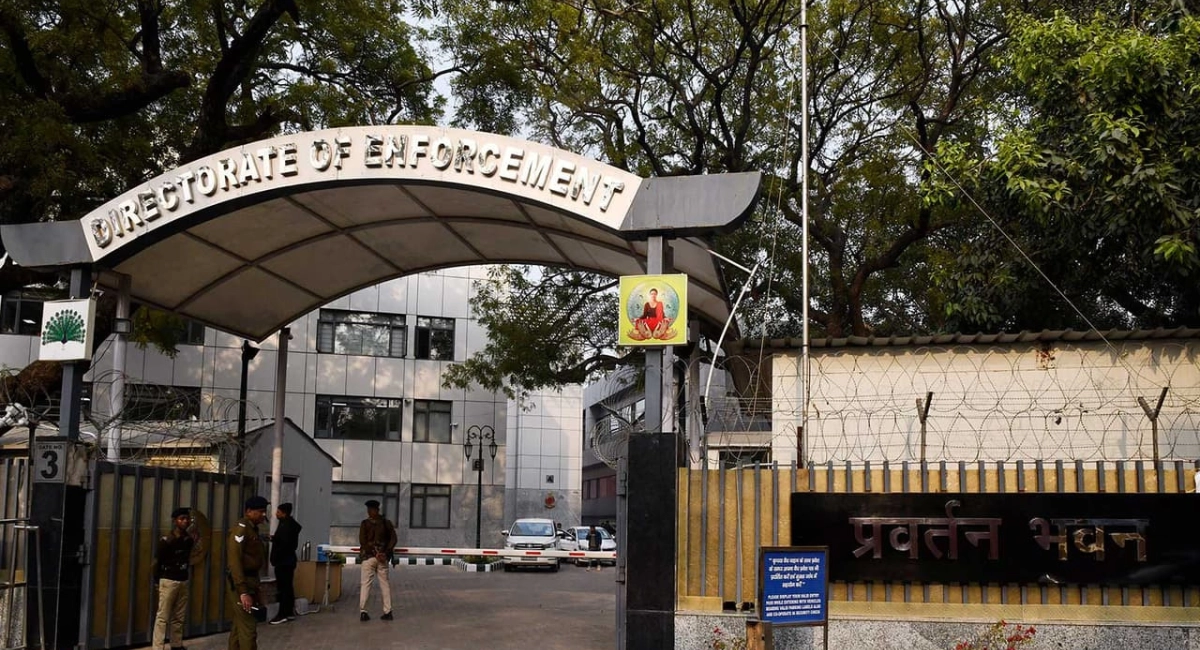
The Enforcement Directorate (ED) told Delhi’s Rouse Avenue court that material gathered during its probe shows businessman Robert Vadra “exercised ultimate control” over a London property at 12 Bryanston Square, and that the asset was used and benefitted by him despite ownership being routed through third parties, the agency said.
Background and case status
The ED’s statement came while advancing a second supplementary prosecution complaint in a money‑laundering case linked to UK‑based alleged defence consultant Sanjay Bhandari, in which Vadra has been formally named as an accused, the agency told the court. The probe arose from allegations that a London property purchased in 2009 and subsequently transferred through a series of owners was in practice controlled, renovated and used by Vadra, and that funds for renovation and furnishing were provided by him, ED filings and earlier chargesheets allege.timesofindia.
ED’s evidence and key assertions
The ED told the court that its case rests on PMLA statements, documentary records and email exchanges which, it says, show Vadra remained the ultimate beneficial controller of the London flat despite changes in legal title through companies and third‑party names. The agency says the ownership was structured through a “complex web of transfers” but that de facto control — including direction of renovations, furnishing and personal use — was exercised by Vadra, which the ED alleges amounts to possession of “proceeds of crime” under the PMLA.
Past ED allegations and related filings
Earlier ED filings and a 2023 prosecution complaint alleged Vadra renovated, stayed in and arranged funds for the London house while it held benami or third‑party ownership, naming aides and intermediaries such as CC Thampi and others in related complaints, the agency has said in court documents and press briefings. In November 2025 the ED filed an additional chargesheet in the broader matter, formally naming Vadra in connection with the asset, according to agency statements and news agency reports.
Vadra’s legal position and court developments
Vadra has previously been granted anticipatory bail in related proceedings, and the matter has seen multiple filings, summonses and supplementary complaints as the ED expanded its allegations and documentary record, the filings and reports show. Court proceedings on supplementary complaints and cognizance of charges continue at Rouse Avenue, where the ED pressed for the new material to be taken on record and for the court to consider the additional accused named in its supplementary filings.
Reactions and implications
The ED’s contention that control and use — not merely formal title — determine beneficial ownership is central to its money‑laundering theory in this case, and echoes prior ED positions in other asset‑proceeds matters where alleged benami arrangements were challenged. If the court accepts the ED’s supplementary complaint and evidence, the agency may pursue prosecution under PMLA provisions that treat proceeds of crime and their concealment or use as offences, potentially widening the scope of accused persons and attached assets in the ongoing probe.
Context for readers and journalists
Reporting should note that these are allegations made by an investigating agency in court papers; final legal findings will follow normal judicial processes including opportunity for the accused to respond, and the court’s independent determination on cognizance and trial. Past ED claims in this matter include assertions about renovation bills, stay and furnishing paid or arranged by Vadra, and that apparent owners were acting as nominees — details that have been repeated across successive ED filings and press statements since 2023.
Illustrative example (how ED says control worked)
The ED’s narrative describes a pattern: an initial purchase attributed to Sanjay Bhandari, later transfers to other named persons or companies, while renovation, furnishing and personal use decisions and payments were, the ED alleges, directed and funded by Vadra — which, in the agency’s view, demonstrates beneficial ownership and control irrespective of changing legal title.