

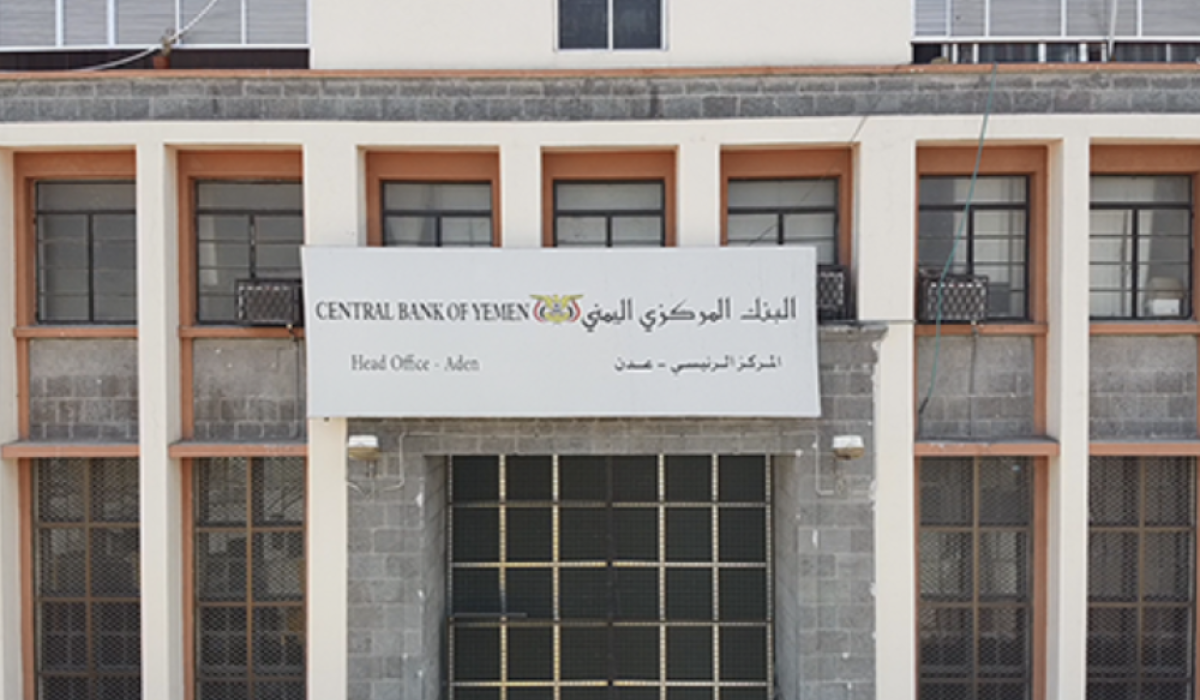
The Central Bank of Yemen (CBY) in Aden has intensified its regulatory crackdown on the currency exchange sector, revoking the licenses of multiple exchange companies, establishments, and hawala (money transfer) agents following confirmed violations uncovered during field inspections.
Regulatory Actions: Decisions 14 and 15 of 2026
In a series of enforcement measures aimed at curbing illicit financial activities and stabilizing the foreign exchange market, CBY Governor Ahmed Ghalib issued two key decisions in August 2026.
Decision No. 14 of 2026 (August 19, 2026) targeted three exchange entities:
- Al-Ahqaf Exchange and Transfers Company
- Ahmed Al-Amri Exchange and Transfers Company
- Ali Al-Soufi Exchange Establishment
The decision ordered the immediate suspension of their operating licenses and the closure of all their premises, effective from the date of issuance.
Decision No. 15 of 2026 (August 27, 2026) expanded the scope to include four additional entities:
- Al-Shawah Exchange and Transfers Company
- Abu Saleh Exchange and Transfers Establishment
- Iyad Al-Saadi Hawala Agent
- Qatnan Hawala Agent
This latest action underscores the central bank’s commitment to enforcing compliance across both traditional exchange firms and informal money transfer networks.
Legal and Regulatory Basis
The CBY cited violations documented in field inspection reports submitted by its Banking Supervision Sector as the basis for these actions. Governor Ghalib’s decisions were grounded in Yemen’s banking laws, exchange regulations, and anti-money laundering (AML) and counter-terrorism financing (CFT) frameworks.
The central bank emphasized that the measures were taken “in the public interest” and in accordance with legal provisions governing exchange operations and financial crime prevention.
Cumulative Enforcement in 2026
The August 2026 actions are part of a broader regulatory campaign by the Aden-based CBY. Since the beginning of the year, the central bank has revoked licenses and ordered the closure of 22 exchange firms and establishments for regulatory breaches.
Earlier in August, the CBY had already suspended licenses for three other entities—Al-Tayyar Exchange, Al-Muttahidoun Exchange, and Al-Alyeb Exchange and Hawala Agent—under a separate decision issued on August 5, 2026.
This pattern of enforcement reflects heightened scrutiny of the exchange sector amid ongoing concerns over currency speculation, market manipulation, and potential money laundering risks in Yemen’s fragmented financial system.
Context: Yemen’s Dual Central Bank Structure
Yemen’s financial regulatory landscape remains divided between the CBY in Aden, recognized by the internationally backed government, and a parallel central bank administration in Sanaa under Houthi control. The Aden-based CBY has repeatedly sought to assert its authority over monetary policy and financial supervision, including through strict licensing and compliance enforcement in the exchange sector.
The recent license revocations align with the CBY’s broader efforts to stabilize the Yemeni rial, curb speculative trading, and ensure adherence to AML/CFT standards amid a protracted economic and humanitarian crisis.
Implications for Financial Compliance
The CBY’s actions signal a zero-tolerance approach to non-compliance among exchange operators and hawala agents, who play a critical role in Yemen’s economy due to limited formal banking access. By targeting both registered companies and individual agents, the central bank is addressing vulnerabilities across the entire money transfer ecosystem.
Financial crime experts note that such enforcement is essential in high-risk jurisdictions like Yemen, where weak oversight can facilitate illicit flows, sanctions evasion, and terrorist financing. The CBY’s reliance on field inspection reports and its explicit reference to AML/CFT laws underscore its alignment with international regulatory expectations.
Official Statements and Directives
The CBY’s official communications stressed that the decisions were based on “proven violations” and mandated immediate implementation by relevant authorities. Governor Ghalib directed competent bodies to execute the closures and notify all concerned parties, ensuring swift enforcement.
No public appeals process was outlined in the decisions, though the central bank indicated that actions were taken following documented breaches identified during supervised inspections.
Market and Sector Impact
The revocations are expected to reduce the number of active exchange operators in Yemen, potentially consolidating the market among compliant firms. However, given the critical role of hawala networks in remittances and daily transactions, the closures may also create short-term disruptions in money transfer services.
Analysts suggest that sustained enforcement, coupled with clearer compliance guidelines, could strengthen the sector’s resilience and reduce illicit financial activity over time.
Broader Regional and International Context
Yemen’s exchange sector has long been under scrutiny from international bodies, including the Financial Action Task Force (FATF), due to its exposure to money laundering and terrorist financing risks. The CBY’s recent actions may be viewed as part of efforts to address these concerns and avoid further regulatory blacklisting.
Simultaneously, the Aden-based government faces pressure to demonstrate effective financial governance amid ongoing conflict and economic fragmentation. The CBY’s assertive stance on exchange licensing reflects both domestic imperatives and international compliance expectations.
Looking Ahead
The CBY has not indicated whether further license revocations are imminent, but its 2026 track record suggests continued vigilance. Exchange firms and hawala agents operating in Yemen are advised to ensure full compliance with licensing, reporting, and AML/CFT requirements to avoid similar enforcement actions.
For international stakeholders, the CBY’s actions highlight the evolving regulatory risks in Yemen’s financial sector and the importance of robust due diligence when engaging with local exchange operators.