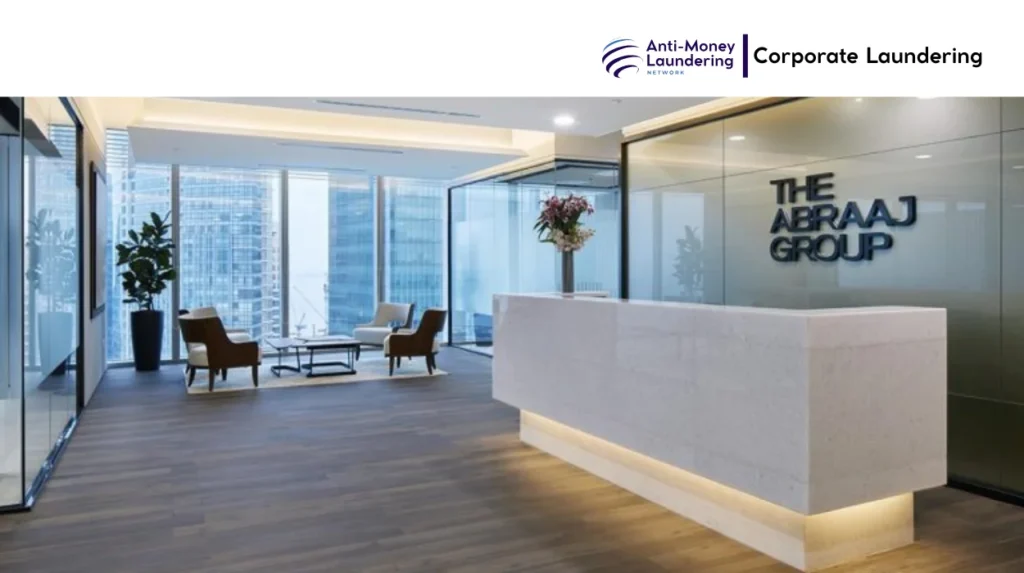
The Abraaj Group, a Dubai-based private equity powerhouse, collapsed in 2018 amid revelations of massive fund misappropriation and deceptive practices that raised serious questions about financial transparency and corporate governance.
While not formally charged with money laundering, its systematic commingling of investor funds, use of opaque structures, and concealment tactics exposed vulnerabilities exploitable in anti-money laundering (AML) frameworks, making it a critical case study for compliance professionals.
This scandal underscores the risks of inadequate customer due diligence (CDD) and know your customer (KYC) in private equity, highlighting how failures in beneficial ownership disclosure can enable suspicious transactions and erode global trust in emerging market finance.
Background and Context
Founded in 2002 by Abraaj Group founder Arif Naqvi, the Abraaj Group grew rapidly into the Middle East’s largest private equity firm, managing over $14 billion in assets across emerging markets in Africa, Asia, and the Middle East. Headquartered at the Abraaj Group head office in Dubai’s DIFC, with affiliates like Abraaj group of companies Abu Dhabi, it targeted healthcare, education, and energy sectors through funds such as the Abraaj Private Equity Fund IV (APEF IV) and Abraaj Growth Markets Health Fund.
The Abraaj Group history reflected ambition: from a 2002 buyout firm to a 2017 peak with Abraaj Group net worth estimated at billions, backed by investors including the Bill & Melinda Gates Foundation. Abraaj Group CEO Naqvi, supported by the Abraaj Group Board of directors, expanded via Abraaj Group private equity strategies, issuing Abraaj Group annual reports that projected robust Abraaj Group revenue and growth.
Exposure began in 2018 when investors audited cash reserves for a $1 billion healthcare fund, revealing a $400 million shortfall. An anonymous tip to the Dubai Financial Services Authority (DFSA) triggered probes into Abraaj Group financial statements, uncovering years of fund diversion since 2015. This led to the Abraaj Group collapse, liquidation in the Cayman Islands, and Naqvi’s flight from Dubai.
Mechanisms and Laundering Channels
Abraaj Group entities, including Abraaj Investment Management Limited (AIML), commingled over $400 million from U.S. investor-backed funds into central treasuries controlled by AIML and Abraaj Holdings, using these pools for operational expenses rather than investments. This created a hybrid structure resembling abraaj group shell company networks, where funds were shuffled via electronic funds transfer (EFT) across UAE, Cayman, and U.S. accounts, obscuring beneficial ownership trails.
Short-term loans from related parties inflated year-end balances, mimicking structuring to evade scrutiny, while false Abraaj Group investor relations reports hid shortfalls. Abraaj Group companies like Abraaj Capital Limited operated unauthorized DIFC activities, facilitating linked transactions that prioritized select creditors over limited partners. Though not proven trade-based laundering, the opaque abraaj group offshore entity setup in tax havens enabled potential hybrid money laundering by blending legitimate investments with group liabilities.
Naqvi’s oversight allegedly directed these flows, including transfers to personal entities, bypassing name screening protocols. Whistleblower concerns about abraaj group suspicious transaction patterns, such as payroll funding from investor capital, highlighted cash-intensive business risks in private equity.
Regulatory and Legal Response
The DFSA led UAE enforcement, fining AIML $299.3 million and Abraaj Capital $15.3 million in 2019 for investor deception and unauthorized operations, the largest penalties in DIFC history. Naqvi faced a $135.6 million fine (upheld 2023), banned from finance, for approving misleading statements; former CFO Ashish Dave was fined $1.7 million.
U.S. SEC sued Naqvi and AIML in 2019, alleging fraud under antifraud provisions, with an amended complaint detailing $250 million misappropriated from APEF IV alone via commingled accounts. Cayman liquidators pursued recoveries, including $110 million claims, while Naqvi faced U.S. extradition attempts before a 2022 plea deal on lesser charges.
These actions invoked FATF recommendations on beneficial ownership and politically exposed person (PEP) scrutiny—Naqvi’s connections warranted enhanced due diligence. DFSA cited breaches of Anti-Money Laundering (AML)-adjacent rules on financial transparency, though primary focus remained fraud over laundering.
Financial Transparency and Global Accountability
Abraaj Group’s opacity exposed financial transparency gaps in cross-border private equity, where Cayman-domiciled funds evaded unified customer due diligence (CDD). U.S. investors, funneled through correspondent banks, lacked visibility into UAE commingling, underscoring FATF Travel Rule weaknesses for electronic funds transfer (EFT).
Global responses included DFSA’s enhanced DIFC audits and SEC’s focus on emerging market advisers. The case spurred calls for unified know your customer (KYC) standards, influencing EU AMLD5 on beneficial ownership registers. Watchdogs like the Gates Foundation divested, pushing Abraaj Group shareholders toward liquidations.
Lessons reinforced Anti-Money Laundering (AML) cooperation via IOSCO and FATF, promoting real-time name screening and transaction monitoring to detect Abraaj group linked transactions patterns.
Economic and Reputational Impact
The Abraaj Group collapse triggered forced liquidation of $14 billion assets, wiping out Abraaj Group net worth and stranding investors in prolonged Cayman proceedings. Partnerships dissolved; Abraaj group jobs vanished, ending Abraaj group careers prospects despite prior allure.
Dubai’s DIFC reputation suffered, deterring inflows amid queries on Abraaj group location safeguards. Abraaj Group UAE ties amplified regional fallout, eroding trust in abraaj group Dubai as a hub. Broader markets saw private equity scrutiny rise, with investor confidence hit by undisclosed Abraaj group revenue shortfalls.
Governance and Compliance Lessons
Weak corporate governance at Abraaj Group, including Naqvi-centric decisions and KPMG-alternating CFO roles, bypassed internal audits, allowing unchecked commingling. No robust compliance programs flagged suspicious transaction reports, revealing Abraaj Group Board of directors oversight failures.
Post-collapse, DFSA mandated stricter DIFC customer due diligence (CDD); liquidators implemented enhanced KYC. Naqvi’s ban exemplified PEP risks. Reforms emphasized independent audits and beneficial ownership verification to prevent abraaj group structuring.
Legacy and Industry Implications
Abraaj Group redefined AML in private equity, prompting FATF guidance on fund commingling and offshore risks. It catalyzed Dubai’s 2020 AML enhancements and global pushes for PE financial transparency.
The case turned scrutiny on abraaj group offshore entity models, influencing Cayman transparency rules and IOSCO standards. It endures as a benchmark for Anti-Money Laundering (AML) training, stressing proactive name screening.
Abraaj Group’s misconduct—fund misuse, deception, and opacity—illustrates perils of lax corporate governance and financial transparency, enabling fraud with laundering potential. Robust Anti-Money Laundering (AML) frameworks, vigilant customer due diligence (CDD), and global cooperation remain vital to protect finance’s integrity.