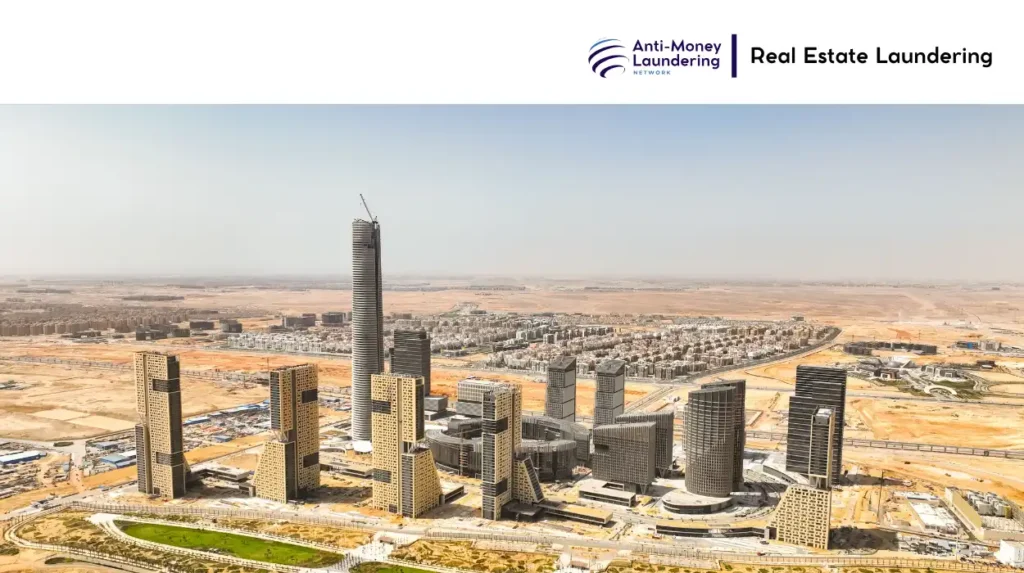
The Cairo New Administrative Capital (NAC) residential projects represent a cornerstone of Egypt’s urban transformation, blending ambitious smart city ambitions with expansive housing developments. Launched to decongest Greater Cairo and foster sustainable growth, these initiatives encompass luxury villas, apartments, and compounds across planned districts.
Project Introduction: Formation and Background
Egypt unveiled the New Administrative Capital in March 2015 under President Abdel Fattah el-Sisi’s administration, positioning it 45 kilometers east of Cairo as a satellite city spanning 725 square kilometers. The project emerged from Egypt’s Vision 2030 strategy to modernize infrastructure, alleviate Cairo’s overcrowding of over 20 million residents, and create a hub for 6.5 million people, including government offices and commercial zones.
The Administrative Capital for Urban Development (ACUD), a joint venture between the Egyptian Armed Forces Engineering Authority and the New Urban Communities Authority (NUCA), drives development. ACUD manages land allocation and master planning, with initial funding from sovereign wealth and military budgets estimated at $58 billion total investment. Private developers like Talaat Moustafa Group, Ora Developers, and La Vista Developments contribute residential components through public-private partnerships.
Founders, Developers, and Initial Vision
ACUD, established in 2016, embodies the government’s vision for a “Smart City of Tomorrow,” featuring green spaces like the 10-kilometer Green River Park, advanced tech integration, and mixed-use districts. Key backers include military-linked entities, reflecting Egypt’s model of state-led urbanization. Hisham Heikal, ACUD’s former CEO until 2019, championed the project’s phased rollout, emphasizing financial sustainability and foreign investment attraction.
Developers bring proven track records: Talaat Moustafa Group, led by Hisham Talaat Moustafa, pioneered Madinaty City near Cairo, a mega-compound housing 600,000. Their NAC entry targets upscale segments, aligning with the vision of world-class living. Ora Developers, part of SODIC, focuses on innovative designs like Zed East in nearby New Cairo, extending expertise to NAC’s R7 and R8 districts.
Management and Key Decision-Makers
ACUD’s board, chaired by Khaled Abbas, oversees strategy, with Engineer Yehia El-Banna as current CEO directing residential expansions. Decision-makers include military representatives and ministry officials, ensuring alignment with national priorities. Hisham Talaat Moustafa, convicted in 2008 for a high-profile murder case but released in 2015, influences Talaat Mustafa Group’s NAC bids, raising questions on governance.
These figures link to prior successes like Palm Hills’ North Coast projects and Misr Italia’s Il Bosco in R7. Financial ties involve Egyptian banks and Gulf investors, though Administrative Capital ownership opacity persists, complicating beneficial ownership transparency in Cairo New Administrative Capital Residential Projects property acquisition.
Controversies and Scandals
NAC developments face scrutiny over procurement and elite access. In 2020, ACUD sold prime land to Talaat Mustafa Group at discounted rates, sparking Egypt NAC real estate risks debates. Reports highlight New Admin Capital shell companies obscuring investor identities, fueling NAC residential projects corruption allegations.
Black money involvement surfaced in 2022 audits, with anonymous claims of politically exposed persons (PEPs) securing off-plan units. Cairo NAC luxury homes AML concerns arose from units priced at EGP 30,000 per square meter, far exceeding market norms, amid Egypt real estate money laundering NAC patterns.
Money Laundering Activities
New Administrative Capital AML issues stem from high-value transactions vulnerable to illicit flows. Tactics include Cairo NAC property laundering tactics like overvaluation schemes, where properties list at inflated prices to absorb dirty funds. Fake buyers, often nominees, layer proceeds through multiple sales, as noted in NAC Egypt financial crime analyses.
Shell companies registered offshore facilitate layering, a key money laundering stage in Cairo New Administrative Capital Residential Projects. Suspicious real estate deals evaded client verification, with source of funds rarely scrutinized in this high-risk sector. Patterns show bulk purchases in R5 and R7 districts by PEPs, mirroring broader Administrative Capital PEPs laundering trends.
Transaction Patterns and Suspicious Investments
Investments spike pre-handover, with 2025 data showing EGP 100 billion in residential sales. Clustering in luxury segments signals risks: over 20% of R8 units sold to unverified entities. Egypt NAC overvaluation schemes inflate values by 30-50%, enabling integration of illicit funds into legitimate assets. NAC developments financial opacity hinders risk assessment by real estate professionals.
Cairo new capital AML risks amplify via anonymous trusts, bypassing AML compliance in Cairo New Administrative Capital Residential Projects. Reports cite New Capital City laundering scandals involving Gulf-linked cash, underscoring Egypt new capital enforcement gaps.
International Links and Benefited Countries
UAE and Saudi Arabia top beneficiaries, with $5 billion in pledges by 2023. Abu Dhabi funds flowed through developers like Sky Abu Dhabi Developments, tied to NAC housing projects sanctions calls. Offshore accounts in Cyprus and UAE layer cross-border transactions, benefiting Qatar and Kuwait via joint ventures.
Foreign direct investment hit $2 billion in 2025, routed through London and Dubai entities. These links expose NAC residential investments risks, as illicit funds from sanctioned regions enter via Egypt new capital compliance issues.
Regulatory Actions and Legal Proceedings
Egypt’s FIU issued Cairo new admin capital FIU reports in 2024, flagging 500 suspicious transactions, yet few led to probes. FATF’s 2023 review noted partial alignment but highlighted real estate gaps. Administrative Capital ACUD AML efforts include KYC mandates, but enforcement lags.
Talaat Mustafa money laundering probes linked NAC deals to prior scandals, with ongoing Egypt AML NAC investigations. No convictions by January 2026; courts dismissed 2025 cases for lack of evidence. Regulatory failures persist, per watchdog critiques.
Public Impact and Market Reaction
Investors faced 15% price hikes post-2025 relocations, eroding trust amid Administrative Capital fake buyers exposures. Public backlash grew over unaffordable units—EGP 10 million minimum—exacerbating housing shortages. Market dipped 5% in Q4 2025 on scandal news.
Economic ripple: 100,000 jobs created, but New Capital Egypt illicit funds taint growth. Confidence rebounded slightly with infrastructure milestones, though wary buyers demand better Cairo NAC PEP investments transparency.
As of January 2026, NAC hosts 500,000 residents across 10 operational districts, with R7-R9 advancing. Projects like La Vista City and Il Bosco near 2026 completion, boasting 40% green coverage. Sales momentum persists at EGP 200 billion annually.
Experts predict 10-15% annual appreciation through 2030, driven by monorail links and Iconic Tower. Challenges remain: full operations hinge on resolving NAC real estate regulatory failures. Sustainable oversight could mitigate Administrative Capital residential AML issues, positioning NAC as a resilient hub.