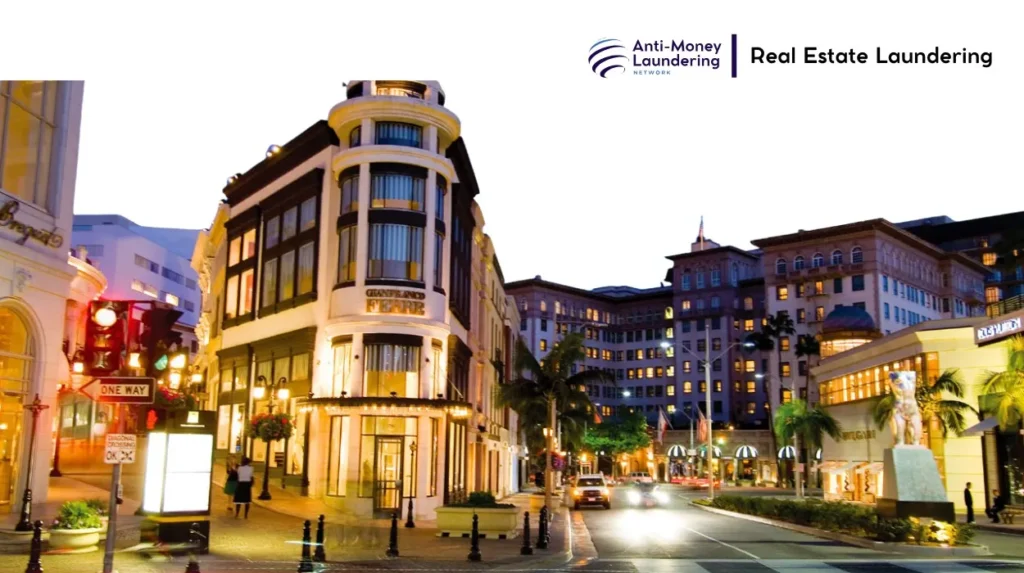
The Viceroy L’Ermitage Beverly Hills hotel, located at 9291 Burton Way in Beverly Hills, California, has a storied legacy dating back to its original construction in 1975. Initially planned as condominiums, the property was transformed into a luxurious 111-suite hotel by developers Severyn and Arnold Ashkenazy, Polish Jewish immigrants who sought to create a high-end accommodation that combined the exclusivity of a boutique hotel with the prestige of fine art, inspired by the Hermitage Museum in St. Petersburg. The Ashkenazy brothers envisioned the L’Ermitage Beverly Hills hotel as a sanctuary of luxury where guests could enjoy sprawling suites furnished with original artwork and unparalleled service.
The hotel’s early years were marked by exclusivity and luxury, with suites boasting kitchens, dining rooms, and separate bath and shower facilities by the 1980s. It earned distinction as California’s only Mobil Five-Star and AAA Five-Diamond rated hotel during this period. However, financial difficulties led to Ashkenazy Enterprises filing for Chapter 11 bankruptcy in 1986, initiating a period of ownership fluctuations.
In January 2010, the property was acquired for $46 million by Malaysian financier Jho Low, marking a significant turning point. Low renovated the hotel extensively and introduced the Viceroy brand, bringing modern luxury and finesse into the property’s design and operations. This renovation, completed in early 2016, involved a $37 million investment that refreshed the hotel’s interiors, suites, and public spaces, including its acclaimed L’Ermitage Beverly Hills restaurant.
Management and Project Head
Over its operational history, the hotel has been overseen by key management figures who shaped its brand and reputation. Under Jho Low’s ownership, the hotel was part of the Viceroy Hotel Group portfolio, managed by executives, including the general manager and directors affiliated with luxury hospitality. The family office behind EOS Investors LLC, a New York-based entity, acquired the property in 2020 following its seizure by the U.S. government. EOS Investors, which maintains a focus on upscale hotel investments, currently manages the hotel’s development and operational direction with an emphasis on preserving its luxury market position.
Controversies & Scandals
Despite its glamorous facade, The Viceroy L’Ermitage Beverly Hills hotel became embroiled in one of the most notorious financial scandals of recent times—the 1Malaysia Development Berhad (1MDB) corruption case. Jho Low, regarded as a central figure in the scandal, was accused by the U.S. Department of Justice of using misappropriated state funds to purchase luxury assets including The Viceroy L’Ermitage Beverly Hills hotel.
The hotel was identified in U.S. DOJ civil forfeiture complaints as an asset bought with embezzled 1MDB funds, leading to its seizure in 2016. Reports highlighted significant hidden wealth, wherein the hotel’s acquisition and renovation were financed via offshore accounts, layered shell company structures, and illicit financial flows designed to camouflage the origin of funds. Though Jho Low remains a fugitive, the scandal exposed systemic regulatory weaknesses in financial transparency and real estate oversight in the U.S.
Money Laundering Activities
Investigations revealed that the money laundering mechanisms at play involved multiple sophisticated tactics. The funds used to purchase and renovate the hotel were funneled through complex offshore structures and shell companies, facilitating the layering and integration phases of money laundering. The hotel’s valuation was potentially inflated, with extensive renovations serving to legitimize illicit capital in the luxury real estate market.
The use of nominee directors and trusts further complicated ownership transparency, allowing the concealment of beneficial owners’ identities. Transaction patterns showed rapid ownership changes, cash purchases, and international transfers—all characteristics consistent with money laundering methodologies. These activities highlighted how luxury properties like the Viceroy L’Ermitage are exploited as vehicles for financial crime, undermining trust in legitimate commercial real estate.
International Links & Benefited Countries
While the hotel is situated in Beverly Hills, the trail of illicit funds spanned continents. The 1MDB scandal implicated Malaysia as the primary victim, with orchestrated embezzlement moving through financial hubs including the United States, Singapore, and offshore tax havens. The luxury hotel, owned at one time by a Malaysian PEP (politically exposed person), exemplifies the cross-border nature of modern money laundering. Benefited countries included those providing safe havens for illicit capital and financial institutions facilitating these transactions.
Regulatory Actions & Legal Proceedings
The U.S. Department of Justice spearheaded the legal move to seize The Viceroy L’Ermitage Beverly Hills hotel in 2016 as part of extensive 1MDB asset recovery prosecutions. The DOJ’s civil forfeiture complaint detailed the hotel and an associated Hillcrest property within a portfolio of assets tied to misappropriated funds. In a court-ordered auction in 2020, the hotel was sold for $100 million to EOS Investors LLC, a New York-based real estate firm.
Globally, regulatory authorities including the Financial Action Task Force (FATF), Malaysian Enforcement Agencies, and international partners have continued investigations and legal actions targeting individuals and networks associated with 1MDB. These coordinated efforts represent one of the largest transnational anti-money laundering enforcement actions to date, setting legal precedents in asset forfeitures related to grand corruption.
Public Impact & Market Reaction
The involvement of The Viceroy L’Ermitage Beverly Hills hotel in the 1MDB scandal sent ripples through the luxury real estate and hospitality markets, particularly in Beverly Hills and Los Angeles. Investor confidence was shaken by revelations involving high-profile political corruption, prompting closer scrutiny of high-end property transactions. Property prices in luxury segments faced volatility due to heightened regulatory vigilance and reputational risks.
Additionally, the hotel’s public image was affected, with questions raised about ethical ownership and the integrity of property acquisitions in such prized neighborhoods. However, resale to a reputable entity like EOS Investors helped stabilize the property’s market standing, offering reassurance to stakeholders about renewed governance and compliance.
As of 2025, The Viceroy L’Ermitage Beverly Hills hotel, rebranded simply as L’Ermitage Beverly Hills, operates under new ownership while maintaining its reputation as a luxury boutique hotel. The current management has focused on thoughtfully preserving the property’s historic charm, while leveraging its prime location and expansive 805-square-foot all-suite accommodations to appeal to upscale travelers.
The 2016 renovations continue to enhance guest experience, and the hotel’s restaurant and spa facilities remain prominent features. Given the robust market demand for luxury hospitality in Beverly Hills and stringent ongoing AML (anti-money laundering) oversight, the future outlook is cautiously optimistic. Continued compliance with U.S. financial regulations and transparency reforms will be critical to prevent recurrence of illicit financial activities and to restore full market confidence in the property.