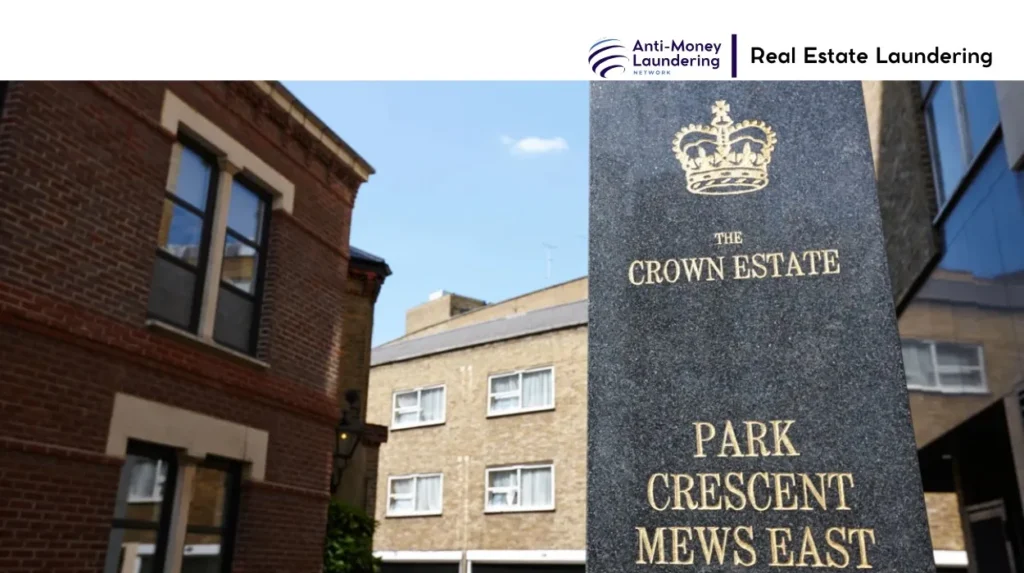
The Crown Estate is a historic and unique collection of lands and properties in the United Kingdom, owned by the reigning monarch “in right of the Crown.” It was formally established by the Crown Estate Act of 1961, with significant amendments in 2025 that reinforced its role as an independent statutory corporation. The estate’s origins date back centuries, though its modern-day governance was shaped by the 18th-century decision when King George III surrendered revenues from Crown lands to Parliament in exchange for a fixed payment. This created a constitutional framework separating the monarch’s private assets from public land holdings managed on behalf of the nation.
Management and Project Head
The Crown Estate is governed by a board known as the Crown Estate Commissioners. These commissioners are appointed by the monarch on the recommendation of the Prime Minister and operate independently from both the sovereign and the government. The Crown Estate CEO leads the day-to-day management, overseeing an extensive portfolio that spans urban property, agricultural land, coastal areas, and foreshore ownership. The management team’s commitment to transparency and commercial rigor ensures the estate delivers sustainable financial returns while preserving public value.
Portfolio and Revenue
The Crown Estate UK manages a vast and diverse property portfolio, which includes iconic Crown Estate buildings such as Regent Street in London, agricultural lands, and significant stretches of foreshore and beaches along the UK coastline. The estate’s properties contribute substantially to its estimated net worth of around £15.6 billion as of 2025. Crown estate revenue, generated principally through rents, commercial leases, and marine assets, is transferred annually to the UK Treasury. This arrangement supports public finances while funding the Sovereign Grant, which covers official royal expenditures. Detailed Crown Estate financial statements, published annually, provide public insight into the estate’s income, expenditures, and asset value.
Ownership and Legal Status
Unlike private real estate ventures, the Crown Estate owner is legally the sovereign acting in a constitutional role rather than as a private individual. Ownership therefore passes automatically with the monarchy but does not extend to personal possession, meaning the crown estate owner son or other family members have no direct ownership or control. The estate functions as a public institution managed by the Crown Estate Commissioners, which adds layers of governance and accountability absent in private real estate enterprises. The Crown Estate address in London serves as its administrative headquarters, where strategic decisions are made for the benefit of the nation.
Development and Devolution
While the Crown Estate administers properties across the UK, certain powers over estate management have been devolved, notably through the establishment of Crown Estate Scotland in 2019. This regional governance enables tailored asset management responding to specific national interests while the main Crown Estate UK continues to operate in England, Wales, and Northern Ireland. The estate engages actively in development projects, focusing on sustainable urban growth, marine energy initiatives, and stewardship of natural landscapes, including the preservation of beaches and foreshore ownership, which accounts for nearly half of the UK coastline.
Controversies and Scandals
Historically, the Crown Estate has maintained a reputation for transparency and public accountability. There are no credible reports or investigations alleging scandals, corruption, money laundering, or involvement in illicit financial activities linked to the Crown Estate. Unlike the private real estate sector, where overvaluation, layered ownership, or shell companies may be tactics for money laundering, the estate’s statutory framework and open financial disclosures substantially mitigate such risks. Public scrutiny and regulatory oversight further safeguard the estate’s assets from misuse.
Money Laundering and Suspicious Activities
No evidence suggests that the Crown Estate has participated in typical money laundering practices, such as cash purchases intended to veil illicit funds, fake buyers, or transaction layering through shell companies. The Crown Estate’s statutory nature requires strict compliance with UK anti-money laundering regulations, and all transactions are subject to rigorous audit and transparency standards. This governance model stands in contrast with the broader real estate market in the UK, where challenges involving financial opacity and enforcement inconsistency remain prevalent.
International Links and Benefited Countries
The Crown Estate’s operations are largely domestic, with no substantiated links to offshore accounts, foreign shell companies, or international illicit finance networks. While the estate contributes to the UK economy, which is part of the global financial system, its revenues and transactions are publicly reported and regulated within the domestic legal framework. The absence of foreign ownership or control is consistent with its role as a sovereign trust estate, benefiting the people of the United Kingdom rather than international actors.
Regulatory Actions and Legal Oversight
No regulatory or law enforcement agencies, including the Financial Intelligence Authority (FIA), National Accountability Bureau (NAB), or international bodies like FATF, have taken action against the Crown Estate concerning money laundering or related infractions. The estate operates under the eye of Parliament and the UK Treasury, submitting annual reports and financial statements that meet high standards of scrutiny. Compliance with anti-money laundering frameworks and legal obligations is ongoing, ensuring the estate maintains its public trust and operational integrity.
Public Impact and Market Reaction
The Crown Estate plays a prominent role in shaping the UK property market, influencing property values in key urban centers through well-regulated asset management and property development. Its revenue contributions to the Treasury underpin public budgets, influencing national economic health positively. Public trust in the Crown Estate remains robust, stemming from its transparent operations, historical significance, and visible contributions to public finances. Market participants regard the estate as a stable and responsible landlord and steward of critical real estate assets.
The Crown Estate is fully operational, with a clear mandate to manage and enhance its portfolio sustainably. Its net worth continues to grow, driven by prudent asset management and innovative development programs. Future prospects include expanding investments in urban regeneration and renewable energy sectors, particularly offshore wind farms, aligning with national climate goals. The well-defined governance and transparent accountability frameworks suggest the Crown Estate will continue to operate with minimal risk of financial misconduct, delivering long-term value for the UK.