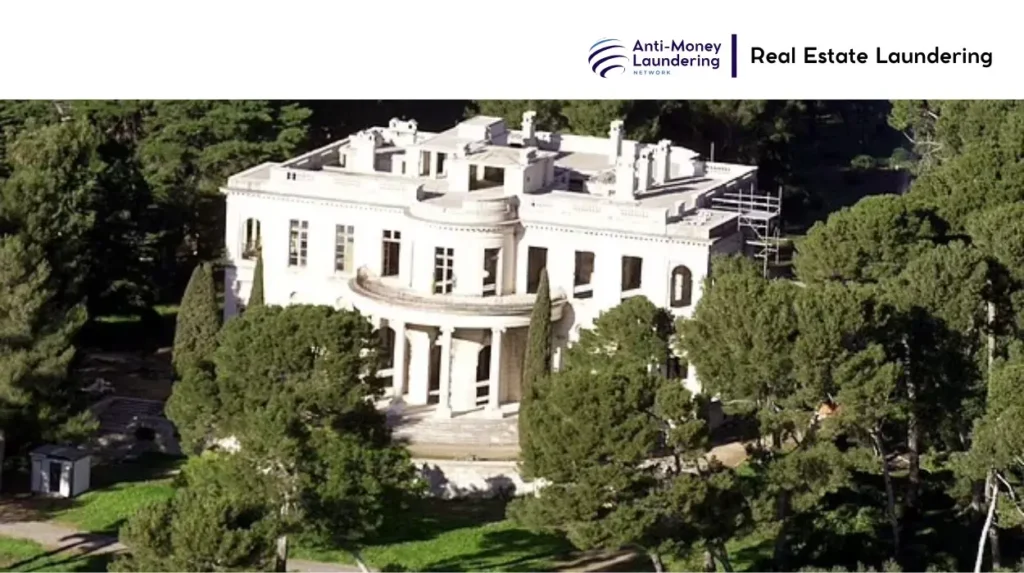
The Château de la Croë, located on the coveted Cap d’Antibes peninsula in the French Riviera, is one of France’s most iconic luxury villas. Built in 1927 by architect Armand Albert Rateau in a Victorian style, it was commissioned by Sir William Pomeroy Burton, then general manager of Associated Newspapers. The château sits on a sprawling seven-hectare estate that stretches down to the Mediterranean Sea, offering breathtaking coastal views and unparalleled privacy. This grand villa has hosted a number of notable figures over its near-century-long history, most famously the Duke and Duchess of Windsor.
Historical Background and Ownership
Throughout its history, the château de la croë france has been associated with prominent owners. After its original construction, the property was leased by the Duke and Duchess of Windsor following King Edward VIII’s abdication in 1936. The Duchess lavishly refurbished the interiors to recreate the royal palace atmosphere, hosting notable guests such as Winston Churchill. After World War II, the château changed hands several times, including ownership by shipping magnates Aristotle Onassis and Stavros Niarchos. The property fell into disrepair and was vandalized by squatters before being purchased in 2001 by Roman Abramovich, a Russian billionaire. Abramovich invested over 33 million euros into a comprehensive restoration, adding modern amenities like a rooftop swimming pool, gym, and cinema, thereby restoring the estate’s original splendor.
Architectural and Interior Features
Le château de la croë france castle is a testament to early 20th-century elegance with extensive manicured gardens designed by the noted landscape architect Peter Wirtz. The interior maintains a classical Victorian style with expansive reception rooms, eight master suites each with its own bathroom, and multiple domestic bedrooms. The renovation preserved the estate’s grandeur, combining historical aesthetics with contemporary comfort and technology. Although the château’s interior is not open to public tours, its meticulously maintained exterior and gardens can be admired by visitors strolling nearby coastal paths.
Location and Access
Situated in Antibes, one of the French Riviera’s most exclusive enclaves, the château benefits from its picturesque setting near landmarks like the Villa Eilenroc and the beaches of Cap d’Antibes. The nearby Nice Côte d’Azur Airport provides international access, making the château accessible while maintaining its secluded charm. The château de la croë france directions are well-documented in luxury travel guides, and while not officially listed as an Airbnb, it remains a coveted private estate in the region. Local amenities such as restaurants, beaches, and cultural sites complement the living experience for estate residents and visitors alike.
Controversies and Legal Issues
Roman Abramovich’s ownership has brought increased scrutiny due to political sanctions imposed on Russian oligarchs following the 2022 invasion of Ukraine. The French government seized the château in April 2022 under sanctions targeting assets linked to sanctioned Russian figures. This seizure reflects broader concerns over financial opacity and the use of luxury real estate to conceal wealth potentially linked to illicit activities. While no formal charges of wrongdoing against the château specifically have been publicized, the case highlights France’s historical challenges with financial transparency in real estate and enforcement of anti-money laundering regulations.
Money Laundering Risks and Financial Patterns
The château de la croë france’s ownership exemplifies risks associated with the use of high-end real estate in money laundering strategies. The property’s valuation was artificially inflated through luxurious renovations and reported extensive construction costs. Methods commonly associated with money laundering—such as cash purchases, use of offshore entities, and layered ownership structures—are suspected to obscure the true source of funds and beneficial ownership. Such tactics are prevalent among politically exposed persons in Europe and worldwide, and luxury estates provide an attractive vehicle for financial opacity.
International Financial Links
Cross-border financial activity is integral to the château’s story. The estate is purchased by a Russian billionaire, funded potentially via offshore accounts and complex structures spanning multiple jurisdictions. France serves as a key destination for such wealth due to its prized coastal properties and historically lenient financial transparency. The château sits amid a network of luxury properties favored by global elites to safeguard and enjoy assets, reflecting the interconnectedness of international real estate and offshore investments.
Regulatory Actions and Enforcement
The seizure of Château de la Croë is part of a larger European effort to enforce sanctions and enhance financial scrutiny in real estate markets. France’s actions mirror coordinated EU and global sanctions, with dozens of luxury properties, yachts, and other assets frozen or confiscated. Enforcement agencies are increasingly focusing on transparency and compliance, although France has faced criticism for slow or inconsistent anti-money laundering implementation. The château case serves as a focal point in these efforts and highlights the need for regulatory reforms to strengthen oversight and prevent illicit financial flows within real estate.
Impact on Market and Public Perception
The high-profile seizure and investigation involving the château have affected public perception and investor confidence in France’s luxury property market. Buyers and financial institutions are now more cautious regarding provenance and compliance requirements. The case has sparked discussions on the broader economic impact of oligarch wealth, the role of financial secrecy jurisdictions, and the responsibilities of host countries like France. As a result, real estate and financial sectors are under growing pressure to adopt best practices and enhance due diligence.
Currently under governmental control, the château’s future depends on the evolving geopolitical landscape and legal proceedings related to sanctions enforcement. While the property remains a symbol of luxury and historical significance, its status is now entwined with international law and politics. Experts predict that stricter enforcement on PEP-linked assets will continue, potentially changing ownership dynamics and market trust. For the French Riviera and France broadly, the case could catalyze deeper reforms in real estate transparency and financial governance.