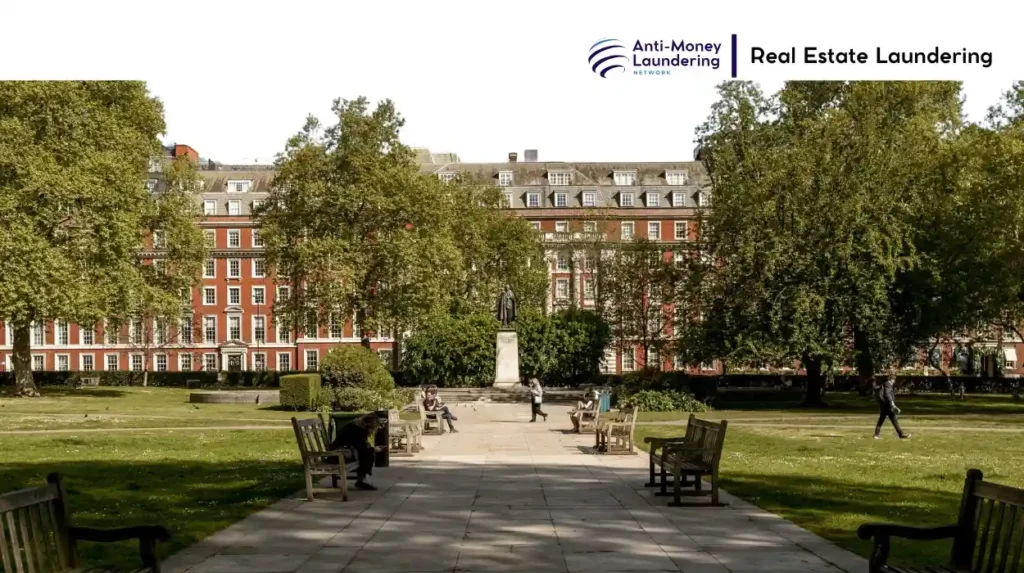
Grosvenor Square, located in the prestigious Mayfair district of London, United Kingdom, was originally developed between 1725 and 1731 after Sir Richard Grosvenor obtained a license in 1710 to develop the area. This large garden square quickly became one of London’s most fashionable residential areas, attracting aristocrats and influential residents for centuries. The apartments and flats in Grosvenor Square today reflect this longstanding history, combining Georgian architectural influences with contemporary standards of luxury livingGrosvenor Square.
The project to modernize and redevelop certain Grosvenor Square apartments, such as 1 Grosvenor Square and 20 Grosvenor Square, reflects a continuous evolution from aristocratic residences to sophisticated multi-use buildings including luxury apartments, offices, and hotel accommodations. Notable architectural firms like Eric Parry Associates and renowned international design studios such as Yabu Pushelberg have been involved in preserving the historical grandeur while delivering modern finishes and layouts. These include exclusive floor plans and layouts designed to appeal to high-net-worth individuals searching for premier London accommodations.
Management and Project Head
The Grosvenor Estate, managed by the Duke of Westminster’s family through Grosvenor Group, has overseen the stewardship and redevelopment of Grosvenor Square properties for centuries. Key decision-makers include board members and project leads from Grosvenor Group alongside external architects and project managers. These have included partners from the firm Squire & Partners and lead designers at Finchatton, who have been responsible for recent reimaginings such as Twenty Grosvenor Square, known for its blend of classical and contemporary architectural principles.
Controversies & Scandals
While Grosvenor Square apartments generally enjoy a prestigious reputation, recent revelations have implicated some properties in controversies linked to financial opacity, real estate money laundering, and political exposure. Specifically, investigations by the UK National Crime Agency (NCA) revealed freezing orders on apartments owned via offshore companies registered in the Isle of Man and British Virgin Islands. These properties, including units at 17 Grosvenor Square, were linked to politically exposed persons connected to the prior Bangladesh regime and accused of using the London real estate market to conceal corrupted wealth.
Such cases raise critical concerns about the role of the UK property market, including areas like Grosvenor Square London, as vehicles for illicit finance. Investigations describe complex ownership structures with shell companies and nominee owners used to obscure beneficial ownership, undermining transparency and regulatory oversight.
Money Laundering Activities
Money laundering tactics identified in relation to Grosvenor Square apartments include layered offshore ownership, overvaluation of properties, and use of nominee buyers. Properties were often purchased using cash or offshore financing, and involved complex cross-border transactions through companies registered in UK jurisdictional havens such as the Isle of Man. The process typically involved multiple sales and transfers to disguise the origin of funds, complicating asset recovery efforts.
International Links & Benefited Countries
The financial networks involved span multiple nations, with direct links to Bangladesh where the original source of funds was allegedly embezzled or obtained through corrupt practices. The UK serves as a major endpoint for these proceeds, with its respected London property market offering both prestige and opacity. Offshore jurisdictions, including the British Virgin Islands and the Isle of Man, facilitate concealment of ownership and fund flows.
Regulatory Actions & Legal Proceedings
The UK’s National Crime Agency initiated freezing orders on various Grosvenor Square flats beginning in 2025, following asset tracing in coordination with Bangladeshi authorities such as the Anti-Corruption Commission. While these actions signify progress in international cooperation against illicit finance, critics note ongoing challenges in enforcement, including insufficient transparency requirements and legal slowdowns. Court cases remain pending, and the effectiveness of UK anti-money laundering mechanisms, particularly in real estate, is a subject of scrutiny.
Public Impact & Market Reaction
These controversies have impacted investor confidence and public trust in UK luxury real estate, especially in hotspots like Grosvenor Square. While demand remains strong among legitimate buyers, increased regulatory scrutiny and media exposure have provoked calls for stronger transparency and due diligence. Property prices in the area, characterized by multi-million-pound apartments, continue to reflect the premium nature of the market despite these challenges.
The redevelopment and modernization projects at Grosvenor Square apartments, such as 1 Grosvenor Square, remain operational and continue attracting wealthier buyers. The area retains its reputation as a top-tier London location with ongoing investments in heritage preservation and luxury amenities. However, regulatory pressure is likely to tighten around politically exposed persons and offshore ownership in the foreseeable future, altering market participation dynamics. Experts call for reforms in UK real estate transparency alongside enhanced cooperation with global financial watchdogs.