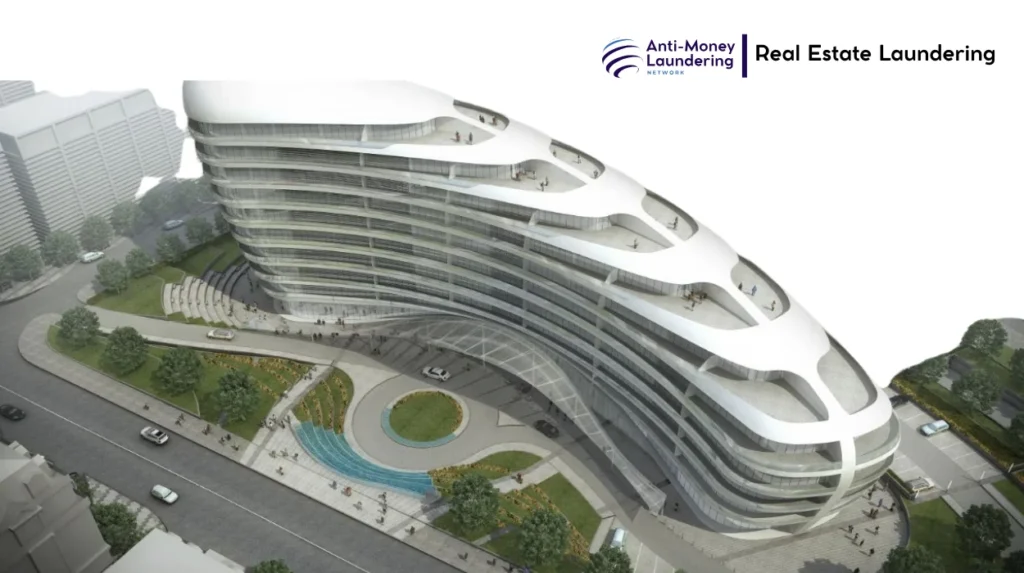
Baku White City stands as a flagship initiative in Azerbaijan’s modern urban landscape, converting a former industrial wasteland into a vibrant mixed-use district. Launched in the mid-2000s, the project exemplifies large-scale redevelopment efforts blending residential, commercial, and leisure spaces while prioritizing sustainability. This article explores its evolution, key stakeholders, challenges, and ongoing relevance.
Project Introduction (Formation & Background)
The Baku White City Development traces its origins to 2006, when President Ilham Aliyev issued a decree to revitalize the polluted “Black City” area in Baku’s Xətai district. This Baku white city development history reflects Azerbaijan’s post-oil boom push for ecological renewal, transforming 240 hectares of contaminated land into a green urban hub.
The initial vision centered on creating a self-sustaining community with over 120,000 housing units, offices, and parks, drawing inspiration from global smart city models.
The Baku white city master plan, crafted by UK-based Atkins and Foster + Partners, outlines a phased approach emphasizing BREEAM-certified buildings and public amenities like fountain square Baku White City. Developers, led by the Azerbaijan Development Company (ADEC Baku White City), partnered with local firms such as Pasha Holding for execution.
The Baku white city development address situates it along the Absheron Peninsula, near key transport links, enhancing its appeal as a Baku white city development location.
Early funding involved state allocations and private investments, with the Baku white city development company registering initial structures like the Baku white city office building LLC in 2012. This marked the start of Baku white city development projects generating thousands of Baku white city development jobs in construction and services.
Management and Project Head
ADEC serves as the primary overseer, operating under the Baku Executive Power with direct presidential oversight. Key decision-makers include government officials tied to urban planning ministries, though beneficial ownership transparency remains limited in Azerbaijan’s framework. Pasha Holding’s leadership, prominent in regional real estate, contributes through subsidiaries handling phases like the Baku white city business centre.
These figures bring experience from prior Baku infrastructure projects, bolstering reputations in rapid development. Financial links connect to state oil revenues, fueling the Baku white city development revenue streams, though exact net worth figures for the project—estimated over $1 billion—stay undisclosed amid opaque reporting.
Controversies & Scandals
Baku White City Development has drawn scrutiny amid Azerbaijan’s broader governance challenges. Investigative reports highlight risks in Baku White City Development real estate transactions, where elite networks allegedly exploit state-backed projects. The 2017 OCCRP Azerbaijani Laundromat exposé revealed $2.9 billion laundered through 40+ shell companies from 2012-2014, raising questions about parallel flows into domestic real estate like this development.
No direct indictments target White City, but contextual flags persist. Transparency International UK pursued UK asset freezes linked to Azerbaijani PEPs, totaling £50 million by 2024, underscoring patterns of suspicious property deals. MONEYVAL’s 2023 report criticized Azerbaijan’s weak Baku White City Development client verification and risk assessment processes in high-risk sectors like real estate.
Money Laundering Activities
Azerbaijan’s real estate sector, including Baku White City Development, operates as a high-risk sector for money laundering due to lax AML compliance. Tactics mirror Laundromat methods: layering via shell companies and layered ownership obscures trails. Baku White City Development layering—structuring funds through multiple LLCs—facilitates integration of potentially illicit proceeds.
Suspicious real estate deals involve luxury overvaluation in Baku white city apartments and hotels, such as the Baku white city hotel phases, parking funds from opaque sources. Transaction patterns show phased sales post-2012, with nominee buyers and offshore intermediaries common. Baku White City Development source of funds scrutiny reveals ties to oil bribes and state embezzlement, though unproven here. Beneficial ownership transparency gaps hinder full tracing, per MONEYVAL findings.
Baku White City Development property acquisition often bypasses rigorous checks, enabling PEPs to embed assets. Real estate professionals note rapid title transfers as red flags, aligning with FATF concerns over Azerbaijan’s grey-list history until 2024.
International Links & Benefited Countries
The project attracts global players, with UK architects Atkins and Foster + Partners shaping the Baku white city site plan. Dubai-linked financing surfaces in regional patterns, alongside British Virgin Islands entities in Azerbaijani flows. Cross-border transactions benefit the UK through consultant fees and investor stakes, while Europe sees indirect gains from PEP property empires funded via similar channels.
Offshore accounts, flagged in Laundromat leaks, channel funds back into Baku white city development real estate, enriching consultants in the US and UAE. These links highlight how international expertise supports local opacity.
Regulatory Actions & Legal Proceedings
Regulatory responses focus on systemic issues rather than White City specifically. MONEYVAL urged PEP reforms in 2023, unmet amid political delays. UK courts froze Laundromat-linked assets in 2021-2024, with Transparency International UK driving cases. No FIA or NAB equivalents in Azerbaijan have acted, reflecting enforcement weaknesses.
FATF removed Azerbaijan from its grey list in 2024 after AML upgrades, but real estate loopholes persist. Pending MONEYVAL follow-ups monitor compliance, with no White City seizures to date.
Public Impact & Market Reaction
Baku White City boosts local economies via Baku white city development careers and jobs, employing thousands and spurring Absheron growth. Property prices in the Baku white city development area rose 20-30% post-launch, drawing investors despite risks. Public trust wavers amid scandals, with market reactions showing selective premium pricing for luxury units.
Economic effects include tourism uplift from facilities like the business centre, though opacity erodes investor confidence. Residents benefit from green spaces, balancing elite-driven gains.
As of 2025, the project nears completion, with key phases operational since 2022 per the Baku white city year of development timeline. The Baku white city development bank partnerships sustain final builds, maintaining momentum.
Experts predict sustained relevance as Baku expands, potentially integrating smart tech. However, AML pressures could prompt transparency upgrades, impacting future Baku White City Development real estate transaction scrutiny. Overall, it remains a cornerstone of Azerbaijan’s urban ambitions.