

Introduction
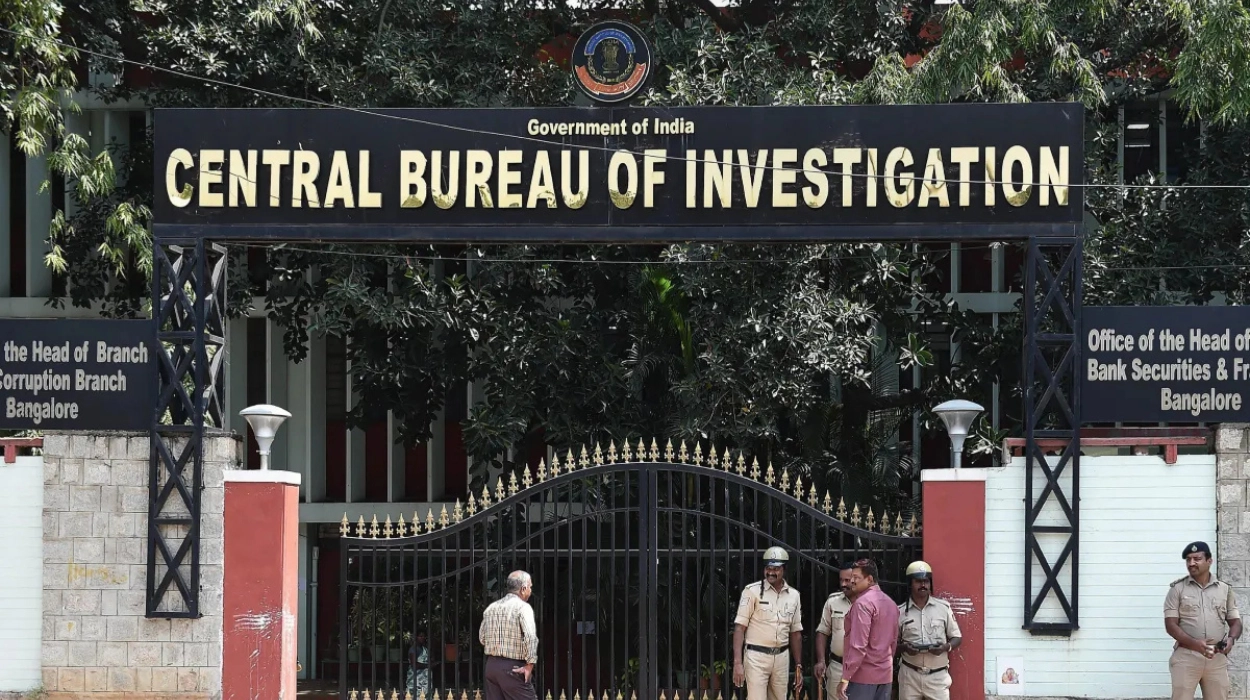
The Central Bureau of Investigation (CBI) has arrested two senior executives of Reliance Communications (RCOM), a company controlled by industrialist Anil Ambani, in a bank fraud case involving alleged wrongful losses of approximately Rs 2,929 crore to public sector banks. The arrests were made on April 20, 2026, following a series of investigations into fraudulent financial activities linked to the Anil Ambani-led Reliance Group. The accused executives, D. Vishwanath and Anil Kalya, have been taken into custody after the CBI filed a Regular Case based on a complaint by the State Bank of India (SBI). This case adds to the growing scrutiny of the Reliance Group’s financial practices, as the agency has registered seven cases against Ambani and his companies in recent months, involving losses running into thousands of crores.
Key Details of the Case
The CBI investigation centers on allegations that Reliance Communications and its top officials engaged in fraudulent transactions and misuse of credit facilities sanctioned by banks. According to the CBI, banks extended loans to RCOM, which were subsequently diverted through complex financial maneuvers involving shell entities and circuitous transactions. The probe has revealed that letters of credit were discounted for bogus service-related transactions with group entities, leading to significant losses for lenders. The case against Vishwanath and Kalya is part of a broader pattern, with the CBI also having registered four separate cases against Anil Ambani and RCOM for alleged fraud worth Rs 19,694 crore in total, including an earlier Rs 3,750 crore loss to the Life Insurance Corporation (LIC) due to fraudulent investments in non-convertible debentures (NCDs).
Executives arrested in the case:
- D. Vishwanath – Senior executive, Reliance Communications
- Anil Kalya – Senior executive, Reliance Communications
The CBI has emphasized that investigations are ongoing, with authorities examining banking records, internal approvals, and correspondence to determine the full extent of the alleged fraud. The arrests follow searches and raids conducted at RCOM offices and residences of former directors in March 2026, as part of the probe into an Rs 114.98 crore SBI fraud case tied to the company.
Background and Ongoing Investigations
The arrests mark a significant development in the CBI’s campaign against the Anil Ambani Group, which has faced multiple allegations of financial misconduct over the past few years. In March 2026, the CBI registered a fresh case against Anil Ambani and RCOM for causing a Rs 3,750 crore loss to LIC, alleging that false representations about the company’s financial health misled the insurer into investing Rs 4,500 crore in NCDs between 2009 and 2017. A forensic audit cited fund diversion and fictitious transactions. The agency has also charged Ambani with conspiracy, cheating, and misappropriation under the Prevention of Corruption Act.
The current case against RCOM’s executives stems from the SBI complaint, which alleged that credit facilities were misused for purposes other than those for which they were sanctioned, resulting in wrongful losses. The CBI has not yet disclosed Anil Ambani’s direct involvement in this specific arrest, but the broader investigations into his group’s activities suggest a coordinated effort to hold key figures accountable. The probe has intensified amid public scrutiny over the collapse of RCOM and the use of public funds, with authorities working to recover assets and prevent further losses to the banking sector.
Impact and Reactions
The arrests have sent ripples through India’s corporate and financial circles, highlighting the risks of corporate fraud in the telecommunications sector. Reliance Communications, once a major player in India’s telecom landscape under Anil Ambani, has been in financial distress for years, culminating in bankruptcy proceedings. The CBI’s actions underscore the government’s commitment to cracking down on white-collar crime and restoring confidence in the banking system. Banking officials and industry experts have welcomed the arrests as a step toward accountability, though some caution that the process could take time given the complexity of the financial maneuvers involved.
Legal and regulatory bodies have emphasized the importance of transparency and due diligence in corporate lending, as cases like this erode public trust and strain public sector banks. The CBI has indicated that further arrests and actions may follow as the investigation progresses, including the examination of third-party beneficiaries and shell entities used in the alleged fraud. Meanwhile, the stock market has reacted cautiously, with telecom and banking stocks experiencing minor fluctuations as investors digest the implications of the case.
Next Steps and Legal Proceedings
The two arrested executives are expected to face custodial interrogation as the CBI builds its case. Authorities will likely seek custody extensions and file a chargesheet detailing the evidence collected during the probe. The case will be heard in a special court designated for economic offenses, with potential penalties including long-term imprisonment, fines, and asset forfeiture for those found guilty. The CBI has also indicated that it may collaborate with interpol and other agencies to track any funds diverted abroad, aligning with India’s broader efforts to combat financial crime.
Public sector banks, including SBI, have reiterated their commitment to loan recovery and risk management, signaling that similar probes may target other borrowers with suspicious financial patterns. The case serves as a cautionary tale for corporate executives and board members, emphasizing the need for ethical governance and compliance with banking regulations. As the investigation unfolds, updates are expected to provide further clarity on the roles played by various stakeholders and the ultimate impact on the Reliance Group’s legacy.