

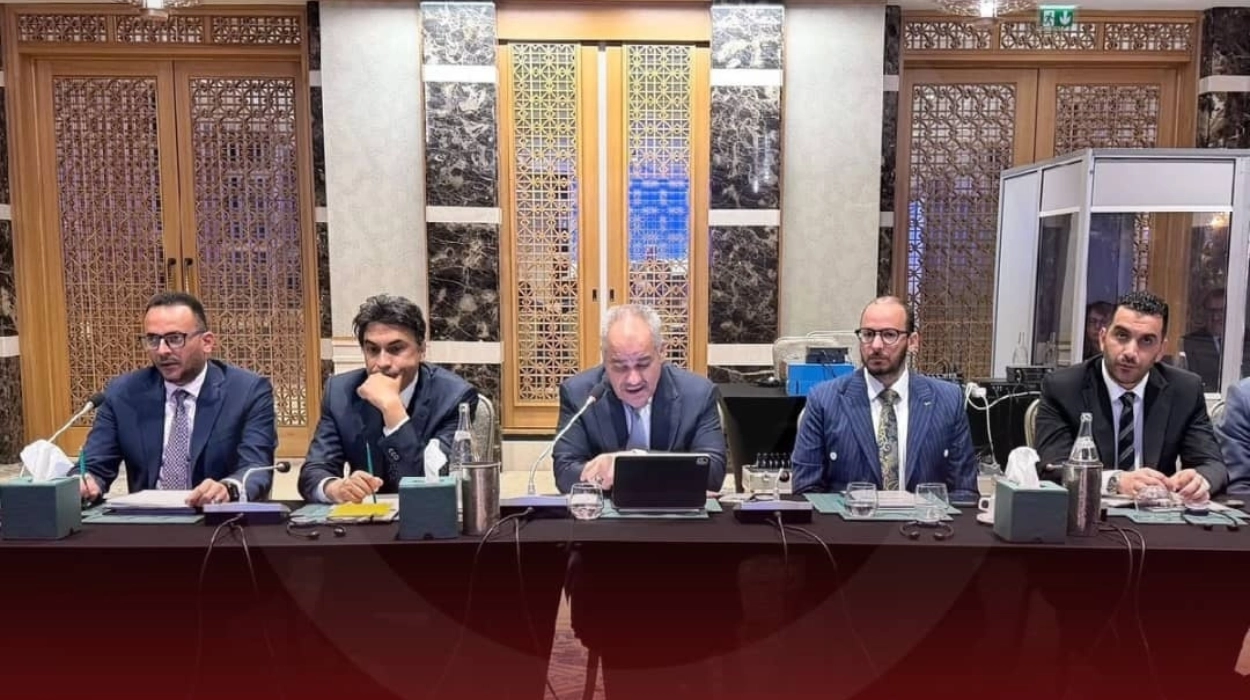
The Central Bank of Libya has issued a warning over the continued failure to adopt the draft law on combating money laundering, saying the delay could expose the financial system to growing risks and weaken efforts to fight illicit finance. The bank discussed the issue during a meeting focused on the dangers created by the absence of an updated legal framework, according to reporting from local media.
The warning reflects a broader concern that gaps in AML legislation can leave banks, regulators and investigators without the tools they need to detect suspicious transactions, trace illicit funds and enforce compliance standards effectively. In practice, the absence of a modern law can make it harder to supervise financial institutions, coordinate between agencies and meet international expectations on anti-money laundering and counter-terrorism financing.
Money laundering laws are widely seen as a core part of financial integrity because they help countries identify suspicious activity, reduce criminal misuse of the banking system and strengthen confidence in markets. The International Monetary Fund has said AML/CFT policies are essential to protecting the integrity and stability of financial markets and institutions.
For Libya, the issue is particularly important because financial systems in countries with weak legal protections are often more exposed to abuse by criminal networks, sanctions evasion and opaque cash flows. Central bank warnings of this kind usually aim to push lawmakers toward urgent action, especially when draft legislation has been delayed for an extended period.
The draft law discussed by the Central Bank is intended to reinforce the country’s anti-money laundering and counter-terrorism financing framework, although the reporting available does not provide the full text of the bill or a formal timetable for adoption. Even so, the bank’s message was clear: failure to adopt the law would leave Libya with a weaker defence against financial crime and could undermine the broader credibility of the banking sector.
The central bank’s warning also comes at a time when financial regulators across the world are tightening scrutiny of AML controls and applying penalties where institutions fail to maintain effective monitoring systems. Recent international enforcement actions show that regulators increasingly expect not only laws on the books, but also strong internal controls, transaction monitoring and reporting systems in daily banking operations.
In that context, Libya’s delay matters beyond domestic politics. A weak AML framework can affect correspondent banking relationships, foreign confidence and cross-border financial cooperation, all of which are important for a country seeking to stabilize its financial sector and improve its international standing. That is why central bank pressure often becomes a key driver of legal reform when lawmakers stall.
The issue also has a governance dimension. AML laws are not just technical banking rules; they are part of a wider system that supports transparency, asset recovery and the fight against organized crime. Without a strong legal base, authorities may struggle to investigate suspicious flows, freeze illicit assets or coordinate effectively with other national and international bodies.
For banks and financial institutions, the message is equally significant. A lack of clarity in the law can create compliance uncertainty, while weak enforcement can encourage poor internal controls and inconsistent reporting practices. Regulators therefore tend to view legislative delays as a real operational risk, not just a policy issue.
The Central Bank’s warning signals that the debate over the draft AML law is no longer merely procedural. It has become a matter of financial stability, regulatory credibility and Libya’s ability to confront money laundering threats in line with international standards.