

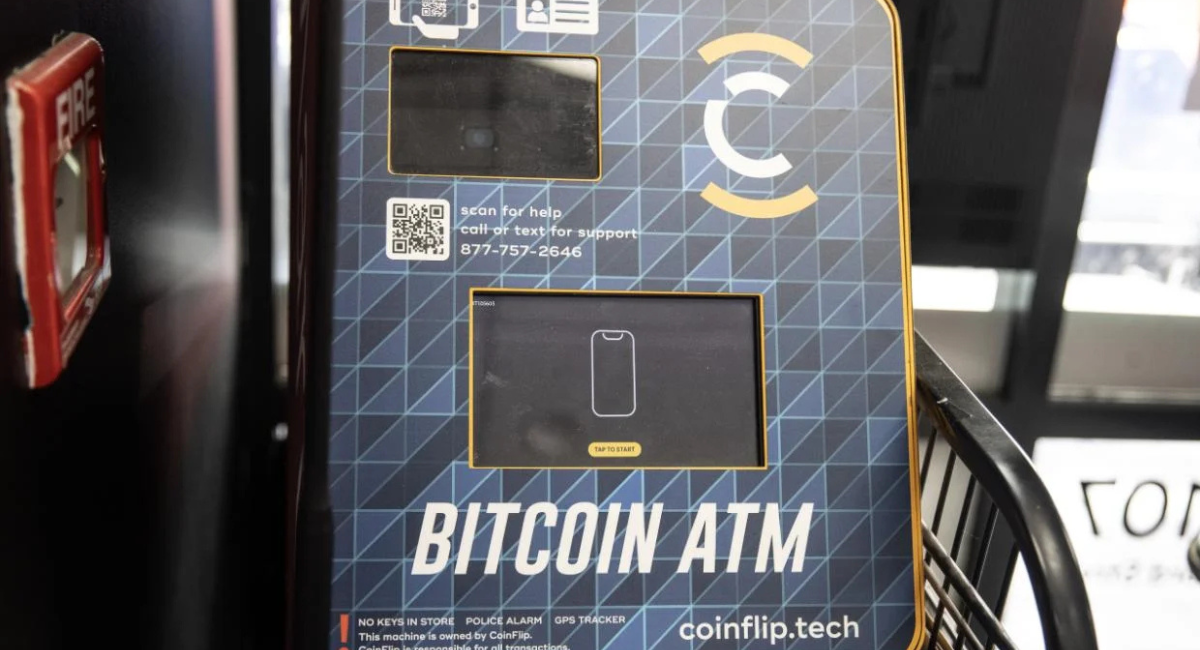
Governments and regulators in several countries are grappling with a paradox: cryptocurrency ATMs are proliferating, yet large parts of the public—and even some policymakers—admit they barely knew these machines existed. As the global network edges toward 40,000 units, the debate over their role, risks, and regulatory treatment is intensifying.
What are crypto ATMs?
Crypto ATMs—also called Bitcoin ATMs or cryptocurrency kiosks—are physical terminals that let users buy (and in some cases sell) digital assets such as bitcoin, ethereum, and litecoin using cash or debit cards. Unlike bank ATMs, which connect to deposit accounts, crypto kiosks interface with blockchain networks and a user’s digital wallet via QR codes or wallet addresses. Most machines support one‑way, cash‑to‑crypto transactions; a smaller share enable two‑way, bidirectional flows.
How many exist, and where are they?
As of early 2025, the global install base stood at roughly 38,768 crypto ATMs across more than 65 countries, served by around 356 operators. North America dominates deployment: the United States alone accounted for about 80–81% of all machines in early 2025, with high concentrations in California, Texas, and Florida. Canada followed with several thousand units, while Europe’s share remained modest at around 4–5% of the global total.
Growth has been uneven. After a net addition of roughly 2,200 machines in 2024, the network expanded by about 6% year‑on‑year, nearing the 40,000 mark. However, 2026 has seen a slowdown, with some months recording net removals as operators consolidate and exit saturated urban markets. By late March 2026, the global count was reported at 38,928 machines, with a small net loss for the year so far.
Who operates them?
The sector is highly concentrated. The top ten operators collectively control around 78% of all installations worldwide. Leading providers include General Bytes, BitAccess, Athena Bitcoin, Bitcoin Depot, CoinFlip, and others, with some operators managing thousands of machines each. Many new deployments are placed in staffed, high‑visibility venues such as convenience stores, gas stations, malls, and hospitality outlets to meet security and compliance needs.
Why the “nobody knew we had them” moment?
The phrase gained traction after a government decision not to ban crypto ATMs, prompting public and media questions about what these machines actually are and why they matter. For many consumers, crypto ATMs remain an obscure part of the financial landscape—visible in certain retail locations but rarely discussed outside specialist circles. Their growth has been driven by rising crypto adoption, demand for cash on‑ramps in underbanked regions, and the convenience of peer‑to‑peer style transactions without needing a traditional exchange account.
Use cases and user profile
Crypto ATMs serve as a physical gateway between fiat cash and digital assets, particularly for users who prefer anonymity, lack bank accounts, or find online exchanges complex. Surveys indicate that a large share of first‑time crypto buyers have used kiosks for their initial purchase, highlighting their role as an on‑ramp for retail adoption. Demographically, usage patterns vary by region; in some markets, older adults have accounted for a disproportionate share of transaction value, raising both inclusion and consumer‑protection considerations.
Regulatory and compliance pressures
Crypto ATMs sit at the intersection of payments, anti‑money laundering (AML), and consumer protection rules. In the U.S., operators must comply with the Bank Secrecy Act and register as money services businesses under FinCEN, with many states enacting additional licensing and disclosure requirements. Globally, AML/KYC obligations have become mandatory for crypto ATM operators in over 50 countries by 2025, with transaction reporting, identity verification, and cash limits increasingly common.
Europe’s Markets in Crypto‑Assets (MiCA) regime is expected to affect deployment timelines and impose KYC thresholds on kiosks. In Australia, regulators set cash transaction limits and have highlighted the concentration of scam losses among older users, prompting calls for stronger warnings and operator controls. Enforcement actions have also risen: German authorities, for example, seized unauthorized machines and cash in 2025, signaling tighter scrutiny of unlicensed operations.
Fraud, scams, and consumer risks
Regulators and law enforcement warn that crypto ATMs are increasingly exploited in impersonation and investment scams, where victims are instructed to deposit cash at a kiosk to “secure” funds or pay fake fees. U.S. authorities reported tens of millions of dollars in losses linked to such scams in 2024, with median losses per victim reaching five figures. Older adults have been disproportionately targeted, with data showing they are several times more likely to report losses than younger users.
In response, some jurisdictions are considering restrictions or bans, citing rising scam losses and the difficulty of reversing cash‑to‑crypto transactions. Industry measures include enhanced surveillance, tamper‑resistant enclosures, real‑time monitoring, and wallet blocklisting on a growing share of machines.
Market outlook and growth projections
Despite regulatory headwinds and periodic contraction, market forecasts remain bullish over the medium term. Multiple reports project strong compound annual growth rates for the crypto ATM sector through the 2030s, driven by broader crypto adoption, underbanked populations, and retail deployments. Estimates for the global market size vary widely by methodology, but most analyses point to multi‑billion‑dollar valuations by the early 2030s, with Asia‑Pacific expected to be the fastest‑growing region.
Functionality is also expanding. While one‑way, cash‑to‑crypto machines still dominate, two‑way ATMs are growing faster in percentage terms, and multi‑asset support—including ethereum, litecoin, dogecoin, and some stablecoins—is becoming standard on new deployments.
Pakistan and emerging markets
In emerging markets such as Pakistan, crypto ATMs remain relatively scarce but are increasingly discussed as part of a broader, largely peer‑to‑peer crypto ecosystem. Limited official data and evolving regulatory stances mean that physical kiosks are not yet a major feature of the landscape, even as interest in digital assets grows among younger, tech‑savvy users. As global operators explore expansion into Asia‑Pacific and other high‑growth regions, the presence of crypto ATMs in such markets could rise if regulatory frameworks become clearer.
Why the debate matters
The “machines almost nobody knew we had” label underscores a wider tension: crypto ATMs are both a symbol of financial innovation and a flashpoint for consumer protection and AML concerns. Policymakers face a balancing act between enabling access to digital finance and curbing fraud, money laundering, and illicit cash flows. For users, the key issues are transparency about fees, clear warnings about scams, and accessible recourse when things go wrong.
As the global network hovers near 40,000 units, the coming years will test whether crypto ATMs can evolve into a regulated, mainstream on‑ramp—or whether tighter rules and enforcement will constrain their footprint in key markets.