

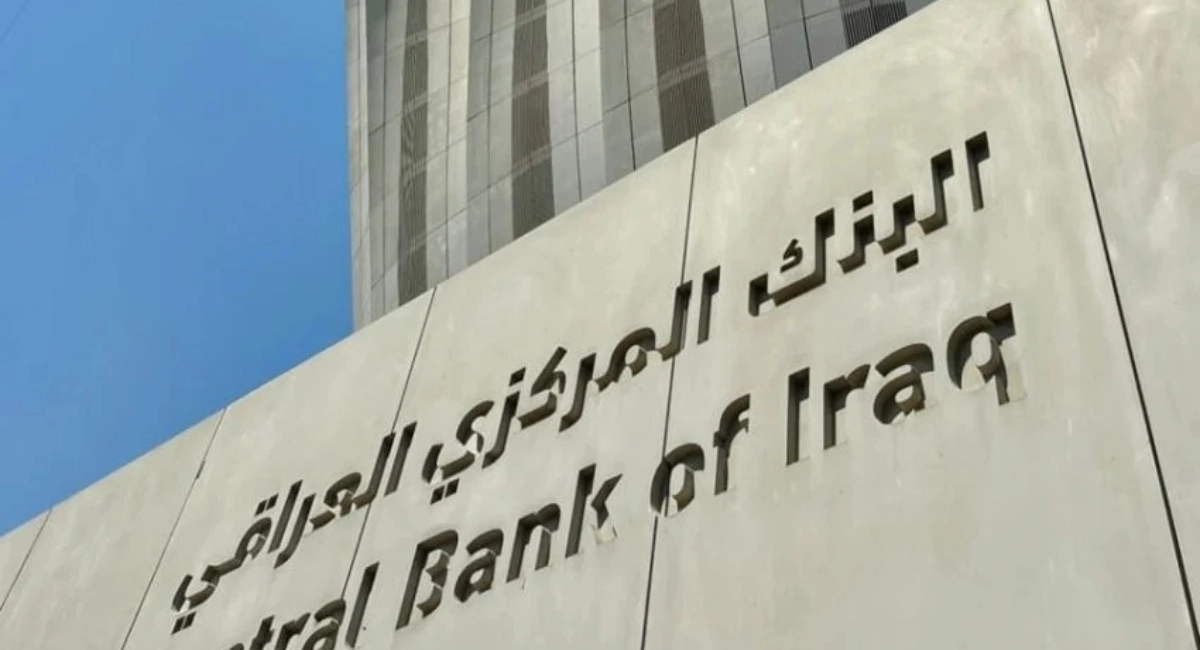
Baghdad, June 20, 2026 — A prominent economist has issued a stark warning that Iraq faces the serious danger of being placed on the Financial Action Task Force (FATF) black list if the country fails to fulfill the international watchdog’s mandated terms, potentially cutting the nation off from crucial international financial systems.
The warning comes just two days after FATF officially returned Iraq to its grey list of jurisdictions under increased monitoring on Friday, June 18, 2026, marking Iraq’s return to the financial crime watchlist eight years after previously leaving the organization’s monitoring process.
FATF’s Decision and Stated Reasons
FATF President Elisa de Anda Madrazo clarified during the plenary meeting in Paris that Iraq was added to the grey list because significant work remains needed to address several critical deficiencies in the country’s anti-money laundering and counter-terrorism financing framework.
According to FATF’s official statement, Iraq must tackle risks related to the widespread use of cash transactions, increase money laundering and terrorist financing investigations, and enhance the use of financial information in identifying illicit activities. The organization specifically called on Baghdad to address gaps in its fight against money laundering, terrorism financing, and financial crime.
The grey list, formally known as “jurisdictions under increased monitoring,” covers countries that have committed to fixing strategic deficiencies in their anti-money laundering, counter-terrorism financing, and proliferation financing systems within agreed timeframes.
Iraq’s Required Action Plan
Iraq’s action plan requires the country to implement multiple comprehensive reforms, including:
- Stronger risk assessment: More robust assessment of money laundering and terrorism financing risks specific to Iraq’s vulnerabilities
- Informal transfer detection: Better detection and regulation of informal money transfer services that operate outside official banking channels
- Virtual asset framework: Establishment of a legal framework for virtual asset service providers, addressing cryptocurrency and digital currency compliance
- Effective sanctions: Implementation of effective sanctions for breaches of anti-money laundering requirements
- Suspicious transaction reporting: Generation of more suspicious transaction reports from high-risk sectors
- Financial intelligence: Wider use of financial information and intelligence in investigations
- Beneficial ownership: Stronger beneficial ownership measures to identify who ultimately controls legal entities
- Prosecutions: More money laundering and terrorism financing investigations and prosecutions
- Non-profit controls: Tighter controls over non-profit sector risks
- Proliferation financing: Improved ability to combat proliferation financing sanctions evasion
High-Level Political Commitment Made
Despite the grey-listing, FATF noted that Iraq made a “high-level political commitment” in June to work with both FATF and the Middle East and North Africa Financial Action Task Force (MENAFATF) to strengthen its financial crime controls.
Prime Minister Ali Al-Zaidi, who took office in May 2026, has made economic reform, foreign investment attraction, and anti-corruption measures central pillars of his ministerial program, signaling government recognition of the importance of compliance.
Progress Acknowledged by FATF
FATF nevertheless noted progress since Iraq’s mutual evaluation report was adopted in November 2024, including:
- Stronger market entry controls for financial institutions
- Guidance for non-banking financial institutions and designated non-financial businesses
- Real estate risk measures
- Improved authorities’ understanding of how legal entities can be misused for money laundering and terrorism financing
Iraq was deemed Compliant for 14 and Largely Compliant for 13 of the FATF 40 Recommendations in the 2024 evaluation, though it was deemed Highly Effective for 0 and Substantially Effective for only 2 of the effectiveness ratings.
Economic Consequences of Grey and Black Listing
The economist’s warning about blacklisting risks stems from documented economic impacts of FATF listing. According to IMF estimates, being on the grey list reduces foreign capital inflows by approximately 7.6% of GDP.
Research shows that grey listing can trigger multiple negative economic consequences:
- Reduced international financial assistance: Decrease in international financial assistance and aid due to de-risking by international banks and financial institutions
- Impact on developing economies: The reduction in official development assistance and loans may impact disproportionately on developing economies and their populations
- Market capitalization decline: During intense FATF activity periods, listing correlates with decline in market capitalization
- GDP growth impact: Evidence shows correlation between the remediation and delisting process and reduced GDP growth rates
The most severe consequence of grey listing is that a continued non-compliant country may become blacklisted by FATF, which does come with mandated sanctions and more serious reputational damage. If a country fails to improve on the grey list, it risks being placed on the Black List, leading to even harsher economic and financial sanctions.
Current Blacklist Status
FATF confirmed that only three countries currently remain on its list of high-risk jurisdictions subject to a call for action, commonly known as the “blacklist”: Iran, North Korea, and Myanmar. These countries face mandated sanctions and substantial reputational harm for persistently non-compliant nations.
Iraq’s legal framework for anti-money laundering is grounded in Law No. 39 of 2015, which established the dedicated AML/CFT Office at the Central Bank of Iraq (CBI). The CBI’s reform agenda includes rigorous shareholder due diligence and enhanced due diligence requirements for banks.
Historical Context
Iraq previously spent almost five years on the grey list from October 2013 until it was removed from FATF’s monitoring process in June 2018, after FATF noted “significant improvement” in the country’s AML/CFT framework. Iraq was removed from the FATF List of Countries identified as having strategic AML deficiencies on June 29, 2018.
The 2026 grey-listing comes eight years after Iraq left the watchdog’s monitoring process, representing a significant setback in the nation’s financial compliance journey.
International Banking Implications
Iraqi banks face immense pressure under the new grey list status, requiring implementation of comprehensive customer due diligence programs, suspicious transaction reporting, and enhanced due diligence for high-risk customers including politically exposed persons.
International correspondent banks assess key requirements including the adequacy of Iraqi banks’ CDD and EDD procedures, quality of transaction monitoring systems, STR filing record, and compliance with sanctions screening requirements.
The economist’s warning underscores that without meeting FATF terms within the agreed timeframe, Iraq risks transitioning from the grey list to the blacklist, which would severely restrict the country’s access to international finance and damage its reputation in global financial markets.
FATF does not call for enhanced due diligence measures against grey-listed countries but advocates a risk-based approach that avoids cutting off entire classes of customers. However, the economist warns that blacklisting would remove this protection and impose mandated sanctions.
With the June 2026 meeting marking the final FATF plenary under Elisa de Anda Madrazo’s leadership, and Giles Thomson set to take over as Director from July 2026, Iraq faces a critical period for demonstrating compliance progress.