

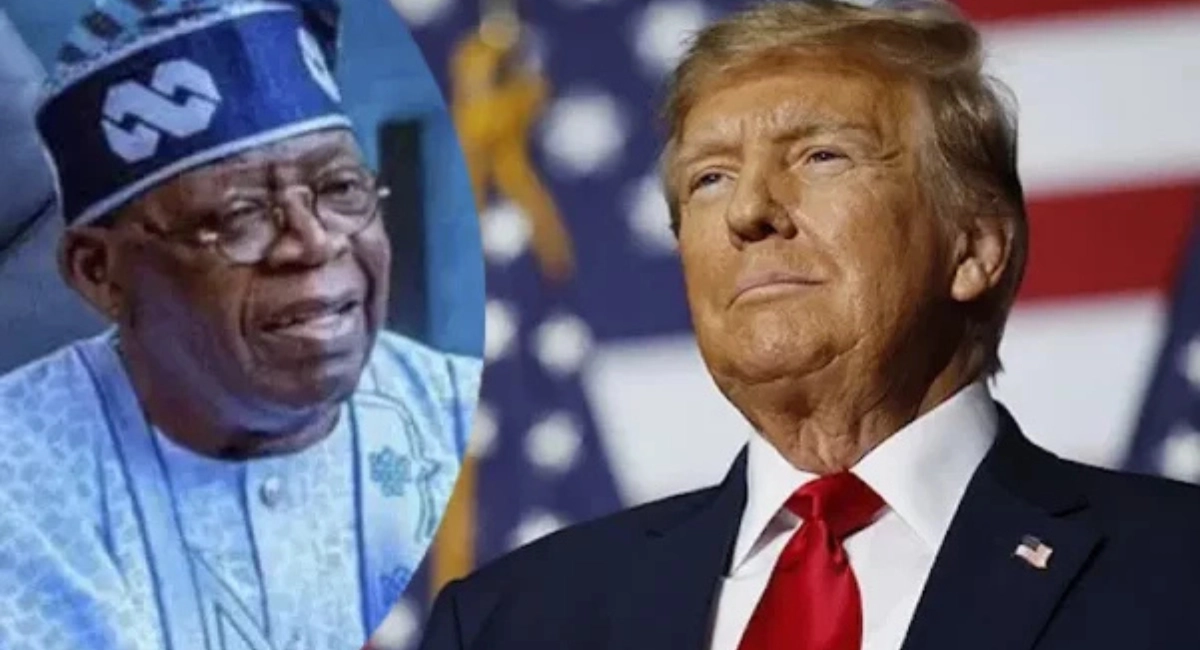
The Federal Government has welcomed recent sanctions imposed by the United States on Nigerian individuals and companies allegedly tied to terrorism financing, describing the action as a reinforcement of global efforts to disrupt extremist funding networks. The development comes amid heightened scrutiny of financial channels allegedly used to support violent groups operating in Nigeria and across the wider Sahel and West Africa region.
According to reports, the U.S. Department of the Treasury targeted a Nigerian Bureau De Change operator and several firms over allegations that they served as financial conduits for ISIS-linked networks. The measures were announced under Washington’s sanctions framework, which is designed to freeze assets, restrict transactions and cut designated persons off from the international financial system. The action also extended to companies in Nigeria and foreign-registered entities allegedly connected to the same
The Nigerian government’s positive response reflects its broader position that international cooperation is essential to combating terrorism financing. In recent months, Nigeria has stepped up domestic measures against suspected terror financiers, including the publication of a list of individuals and corporate entities allegedly linked to terrorism funding. That list formed part of the country’s wider sanctions and counter-financing architecture, aimed at tightening pressure on funding flows that could sustain extremist
The U.S. action has also revived attention on the role of bureau de change operators and cross-border money-transfer channels in exposing vulnerabilities within the financial system. Investigators have increasingly focused on informal exchange networks, which can move money quickly across jurisdictions with limited visibility when compliance controls are weak. In this case, the U.S. alleged that the sanctioned firms and individuals were linked to the movement of funds for ISIS-affiliated activity.
The sanctions come against the backdrop of continuing international concern over terrorism financing in Nigeria, where authorities have repeatedly faced pressure to deepen enforcement, improve intelligence sharing and strengthen asset-tracing capabilities. The U.S. has previously imposed similar restrictions on Nigerians accused of supporting Boko Haram, showing that Washington has continued to use targeted sanctions as part of its counterterrorism toolkit. Analysts say such actions can increase compliance pressure on banks, money service businesses and other financial institutions with exposure to high-risk customers or counterparties.
For Nigeria, the latest sanctions may provide diplomatic backing for its own counterterrorism agenda, even as they raise questions about the domestic oversight of money-changing businesses and related corporate structures. The Federal Government’s welcome suggests alignment with international enforcement efforts, especially where the allegations concern financing pathways that cross multiple jurisdictions. However, the cases also underline the need for due process, stronger compliance screening and more robust monitoring of suspicious transactions.
The sanctions are expected to have wider implications for financial institutions, remittance operators and compliance teams dealing with counterparties linked to high-risk markets. Beyond the immediate designations, the move may encourage more aggressive scrutiny of beneficial ownership, transaction patterns and cross-border flows connected to bureau de change activity. It also reinforces the message that the global anti-terror-finance regime increasingly depends on cooperation between national governments and foreign enforcement agencies.