

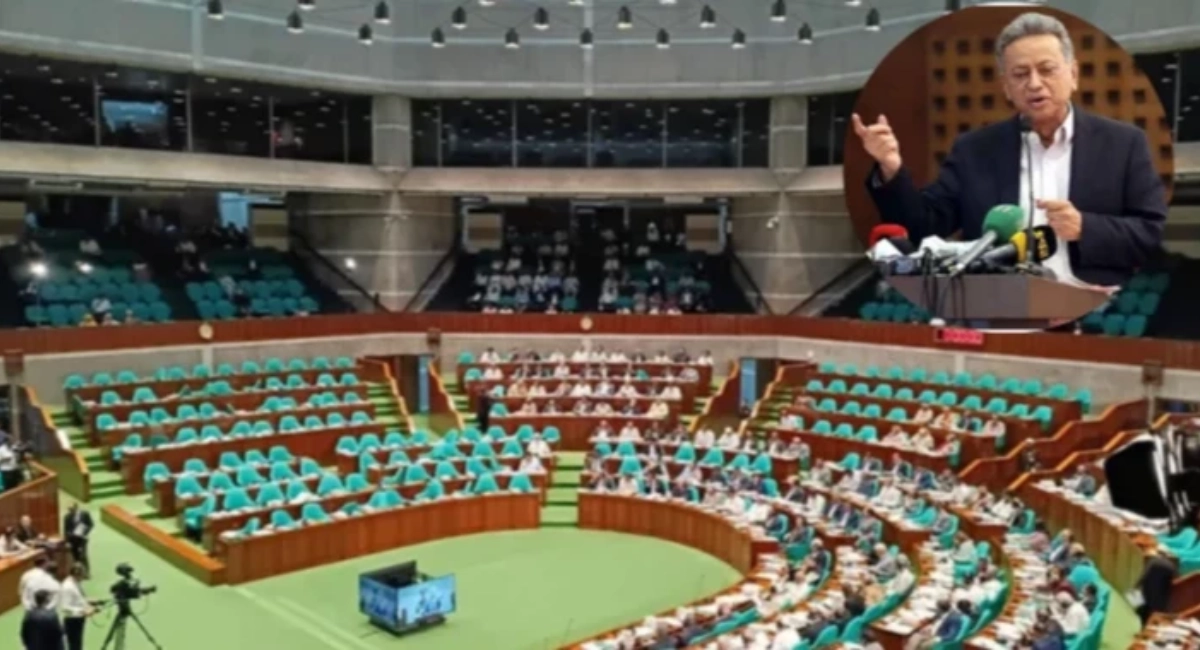
The government has constituted 11 Joint Investigation Teams (JITs) to investigate priority money laundering cases, according to the finance minister, as authorities step up efforts to pursue illicit financial flows and recover allegedly laundered assets. The move is part of a wider enforcement drive that includes legal reforms, international coordination, and action against individuals and entities linked to capital flight.
Speaking on the issue, the minister said the task force has identified 11 priority money laundering cases and assigned each one to a separate joint investigation team. The reported objective is to ensure focused, case-by-case scrutiny of the most serious allegations while improving the state’s ability to trace, freeze, and recover assets suspected to have been moved abroad.
The development comes amid growing pressure on governments in the region to strengthen anti-money laundering controls and improve enforcement outcomes. According to the report, the finance minister also said that legal reforms are underway, including work on a beneficial ownership register, which is intended to make it harder for hidden ownership structures to shield illicit proceeds.
The initiative appears designed to combine investigative, regulatory, and legal responses in a single framework. The report says affected banks have also begun hiring international law firms on a no-win-no-fee basis, suggesting that private legal support is being brought in to help with recovery efforts and cross-border claims.
The creation of multiple joint teams signals that authorities are treating the cases as high priority and complex in nature. Such cases often require cooperation between financial intelligence units, anti-corruption bodies, law-enforcement agencies, tax authorities, and prosecutors, especially when transactions span multiple jurisdictions or involve shell companies and layered ownership.
The minister’s remarks also indicate that the government is trying to move beyond investigation alone and toward recovery and prevention. In practical terms, that means not only building cases against suspected offenders but also pursuing asset tracing, red notices, and legal routes for the return of funds.
While the report does not list the full identities of the 11 cases, the language used suggests they are viewed as the most significant matters within the current anti-money laundering agenda. The emphasis on “priority” cases also indicates an attempt to concentrate resources where the alleged financial damage is greatest and where recovery prospects may be strongest.
The announcement fits into a broader international trend in which governments are tightening enforcement against money laundering, politically exposed persons, and concealed beneficial ownership. For regulators and prosecutors, these cases are often seen as tests of institutional capacity, especially where money moves through banks, property, offshore structures, or high-value commercial networks.
For Pakistan, the move may also carry a reputational dimension, as stronger anti-money laundering action is often linked to investor confidence, international scrutiny, and compliance expectations from global watchdogs. A visible push on priority cases can support the government’s narrative that it is serious about enforcement and financial transparency.
The coming phase will likely depend on how quickly the JITs can gather evidence, coordinate across agencies, and secure recoverable assets. If the teams produce charge sheets, freeze orders, or foreign cooperation requests, the initiative could become a significant anti-money laundering enforcement effort rather than only a policy announcement.