

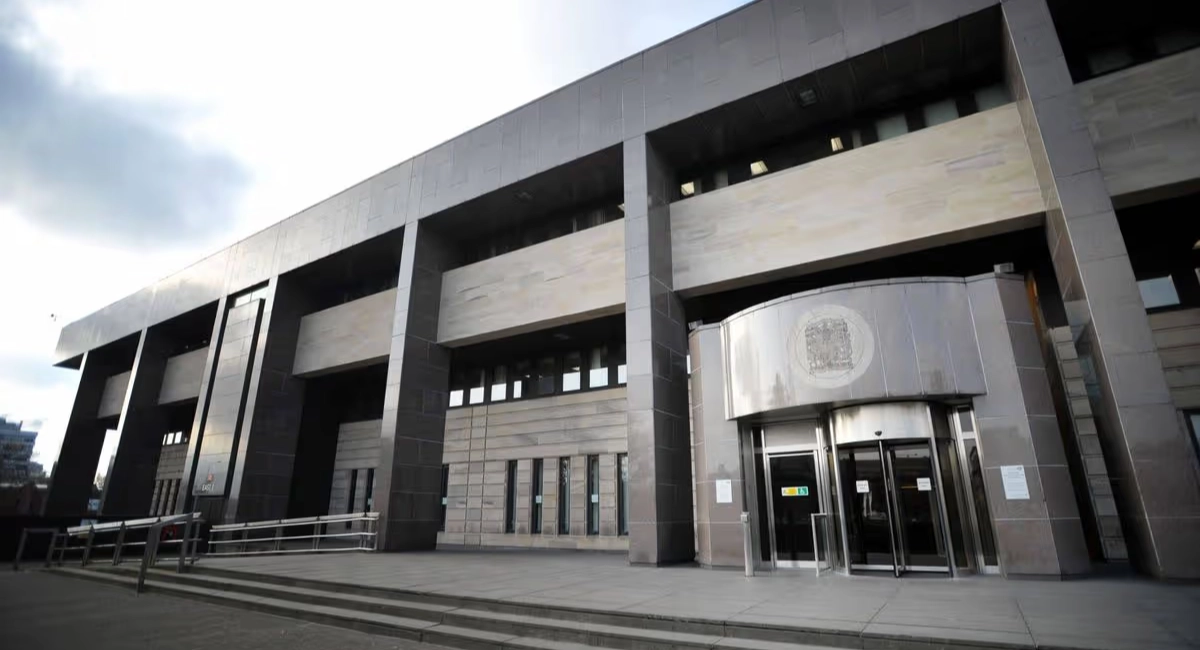
A Glasgow businessman has been forced to forfeit more than £100,000 after prosecutors secured a civil recovery order at Glasgow Sheriff Court, according to the Crown Office and Procurator Fiscal Service. Akintayo Adedipe, 45, relinquished £106,801 after the Civil Recovery Unit successfully applied for forfeiture of the funds under proceeds of crime legislation.
The case is part of a wider effort by Scotland’s civil recovery authorities to recover money linked to criminal conduct, even where a criminal conviction is not the immediate focus of proceedings. In this case, the funds were subject to forfeiture after the court accepted the application brought by prosecutors.
The Crown Office said the money was recovered following an investigation by the Civil Recovery Unit, which works to identify and seize assets considered to be the proceeds of unlawful activity. The unit’s role is to disrupt the financial benefits of crime by targeting cash and assets that can be traced to suspicious or illegal conduct.
According to the official statement, Adedipe handed over £106,801 after the successful court application. The forfeiture took place at Glasgow Sheriff Court, underscoring the continuing use of civil recovery powers in Scotland to target suspected criminal finance.
Civil recovery proceedings differ from criminal prosecutions because they focus on the property itself rather than solely on securing a conviction against an individual. That makes the process a key tool for authorities seeking to remove the profits of suspected money laundering and other financial crime.
The case also highlights how Scottish prosecutors continue to pursue sums that are believed to be linked to unlawful activity, even when the amount involved is comparatively modest by money laundering standards. For enforcement agencies, such cases are intended to send a broader message that suspicious funds can be traced, frozen and ultimately seized.
The Crown Office announcement did not indicate any further criminal charges in the brief release, but it confirmed that the forfeiture followed a successful action by the Civil Recovery Unit in Glasgow Sheriff Court.
For compliance professionals, the case is another reminder of the growing reach of asset recovery powers in the UK and the importance of transaction monitoring, source-of-funds checks and escalation of unusual activity. Civil recovery actions can affect both individuals and businesses when investigators believe money has an illicit origin.