

Jonathan Barach, a 47-year-old Center City Philadelphia real estate agent, ran a fraudulent scheme from July 2017 to April 2021. He solicited over $3.1 million from 19 individuals and businesses through his companies, the Barach Group and TBG Real Estate.
Barach pitched short-term bridge loans to fund renovations and home-flipping projects on distressed properties. Investors believed their money would support builders and contractors for quick profits. None of the projects existed, and no funds went to real estate.
He transferred investor money to personal accounts, withdrew large cash sums, and spent on luxuries like a $46,000 4.7-carat diamond ring, Louis Vuitton clothing, premium sports event seats, casino bets, and six-figure sports book deposits. While some early lenders were partially repaid using later funds, over $1.4 million remains unpaid.
Legal Proceedings
Barach pleaded guilty on September 23, 2025, before U.S. District Judge Mia Roberts Perez to one count of wire fraud and one count of illegal monetary transaction. Each charge carried up to 30 years in prison.
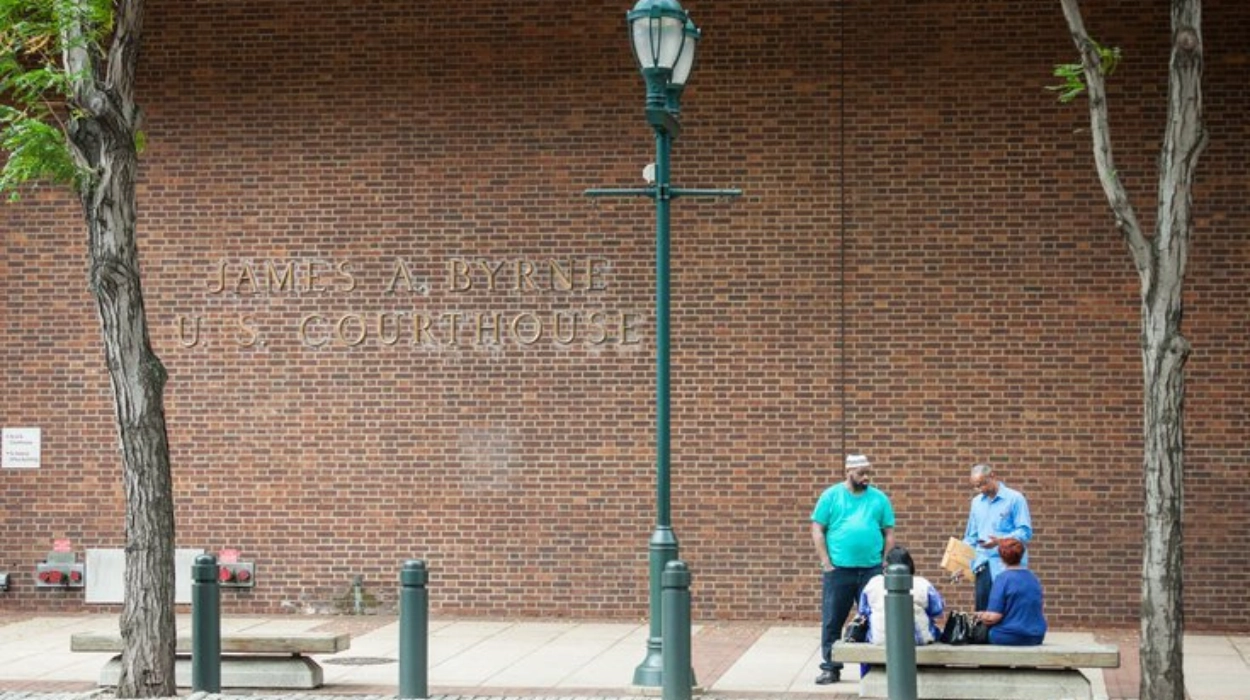
Sentencing occurred on April 8 or 9, 2026, at the James A. Byrne U.S. Courthouse in Philadelphia’s Eastern District of Pennsylvania. Judge Perez imposed 37 months (over three years) in federal prison, followed by two years of supervised release.
Financial penalties include $1.5 million in restitution to victims, another $1.49 million forfeiture judgment, and a $200 special assessment. Barach must pay remaining debts to lenders.
Prosecution Statements
U.S. Attorney David Metcalf called it “a calculated scheme built on lies and deception” after the plea. Prosecutors emphasized Barach’s misuse of trusted real estate credentials to mislead personal contacts.
Assistant U.S. Attorneys Terri Marinari and Samuel Dalke handled prosecution. The case underscores how fraudsters exploit industry knowledge for personal gain.
Investigation Details
The scheme was uncovered through joint efforts by the FDIC Office of Inspector General, IRS Criminal Investigation, FBI, and U.S. Secret Service. Investigators traced wire transfers, cash withdrawals, and spending patterns revealing no real estate ties.
Barach operated alongside traditional brokerage services, blending legitimate work with fraud to build credibility.
Victim Impact
Nineteen victims, including people and businesses known to Barach, lost life savings entrusted to a local professional. The emotional toll compounds financial losses, as many viewed him as a reliable Philly real estate figure.
Over $1.4 million unpaid highlights ongoing harm. Restitution aims to provide some recovery, though full repayment remains uncertain.
Broader Context
This case fits a pattern of real estate investment fraud in Pennsylvania. Similar schemes involve fake flips, inflated appraisals, and Ponzi-like repayments. Philly’s hot housing market amplifies risks for short-term loan pitches.
Nationally, wire fraud in real estate rose amid post-pandemic booms, per FBI reports. Investors must verify projects independently.
Sentence Breakdown
- Prison: 37 months
- Supervised release: 2 years
- Restitution: $1.5 million
- Forfeiture: $1.49 million
- Assessment: $200.
Barach’s lighter sentence versus the 30-year maximum reflects guilty plea guidelines and factors like no prior record, though prosecutors sought harsher terms given the betrayal.
Implications for Investors
Philly real estate fraud cases like this stress due diligence: demand property docs, third-party verification, and SEC filings for flips. Bridge loans carry high risks without audited returns.
Regulators urge reporting suspicions to FBI tips or IRS. Victims can pursue civil suits post-criminal resolution.
Philly Real Estate Landscape
Philadelphia’s Center City market thrives on flips and renovations, drawing investors. Barach’s Barach Group focused on residential sales, masking the side scheme.
Post-conviction, his firms face reputational damage. Buyers and lenders now scrutinize agents more closely amid 2026’s steady housing demand.