

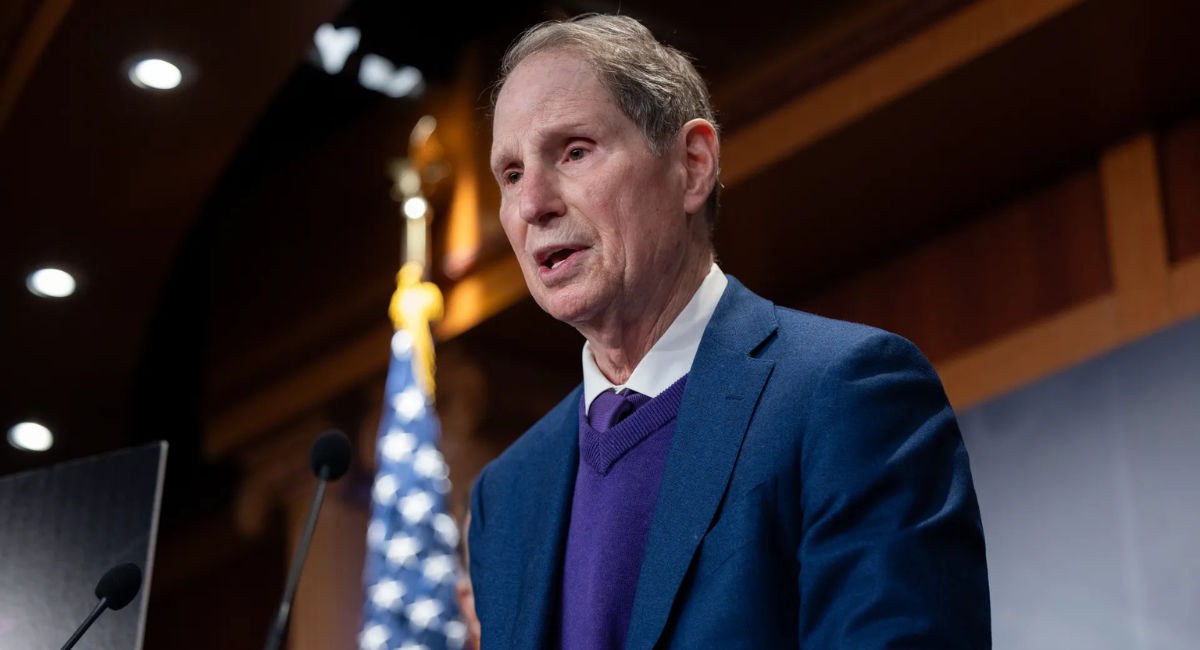
A new report by Democratic Senator Ron Wyden alleges that some of the largest U.S. banks failed to report suspicious financial transactions tied to Jeffrey Epstein, potentially violating federal anti-money laundering laws. The 67-page investigation accuses Deutsche Bank, JPMorgan Chase, and Bank of America of knowingly delaying or avoiding the filing of required suspicious activity reports (SARs) for years—allowing Epstein to move millions of dollars globally to support his sex-trafficking network.
Senate investigation findings
The report, titled “Looking the Other Way: How Wall Street Banks Enabled Jeffrey Epstein’s Sex Trafficking,” stems from a yearslong inquiry by Senate Finance Committee Democrats. It details how more than a dozen bankers at the three institutions were aware of suspicious activity as early as 2002, but in most cases did not alert the Treasury Department until after Epstein’s 2019 arrest on federal sex-trafficking charges. According to the report, by failing to report—or choosing not to report—Epstein’s transactions, the banks “allowed Epstein to send cash payments and wire transfers to his victims, friends, and collaborators around the world.
Allegations against specific banks
Deutsche Bank: The report states that Deutsche Bank failed to promptly report more than $250 million in suspicious transactions tied to Epstein, including funds used to pay women in Russia and other Eastern European countries. Investigators said the bank delayed required filings for years, despite internal concerns about Epstein’s activity.
JPMorgan Chase: The Senate report alleges that JPMorgan delayed reporting over $1 billion in suspicious Epstein-linked transfers to the Treasury, including payments to women in Russia and Belarus. It also claims that JPMorgan executives “coached Epstein on how to withdraw cash through shell companies instead of his personal accounts, helping him conceal information from compliance personnel and government regulators.
Bank of America: Investigators found that Bank of America “likely violated” federal anti-money laundering laws by failing to report $170 million in payments to Epstein from billionaire investor Leon Black until five to seven years after the transactions occurred. The bank later concluded in its own suspicious activity reports that some of these transfers had “no apparent economic, business or lawful purpose.
Wyden’s call for regulatory action
Senator Ron Wyden, the ranking member of the Senate Finance Committee, said the banks’ actions “allowed Epstein to have ready access to the mountains of cash he used to lure, harbor and transport his victims.” He has urged federal regulators to open formal investigations into the conduct of the three banks and named several bankers for potential scrutiny. Wyden also called for greater transparency in SAR filings, arguing that the current system allows banks to conceal misconduct from the public.
Bank responses and context
The report relies in part on nonpublic documents held by the U.S. Treasury and public court filings. While the allegations are serious, the banks have not admitted wrongdoing in connection with the Senate findings. Deutsche Bank previously faced regulatory penalties in 2020 over Epstein-related compliance failures, including a $150 million fine from New York regulators citing “significant compliance failures.” JPMorgan and Bank of America have not issued detailed public responses to the latest Senate allegations as of early August 2026.
Broader implications for financial compliance
The Wyden report underscores long-standing concerns about the effectiveness of anti-money laundering safeguards in the U.S. financial system. By failing to request business records that would have verified the purpose of major suspicious transactions, the banks allegedly ignored red flags that could have curtailed Epstein’s operations. The investigation also highlights how high-net-worth clients can exploit gaps in compliance systems, particularly when banks prioritize lucrative relationships over rigorous due diligence.
Related developments
The Senate findings come amid ongoing legal and political scrutiny of Epstein’s network. In early August 2026, the state of New Mexico sued the U.S. Department of Justice for allegedly obstructing its own investigation into Epstein’s activities. Meanwhile, media reports have revealed that a planned “60 Minutes” segment on Epstein’s bank transactions was never aired, raising further questions about institutional transparency.