

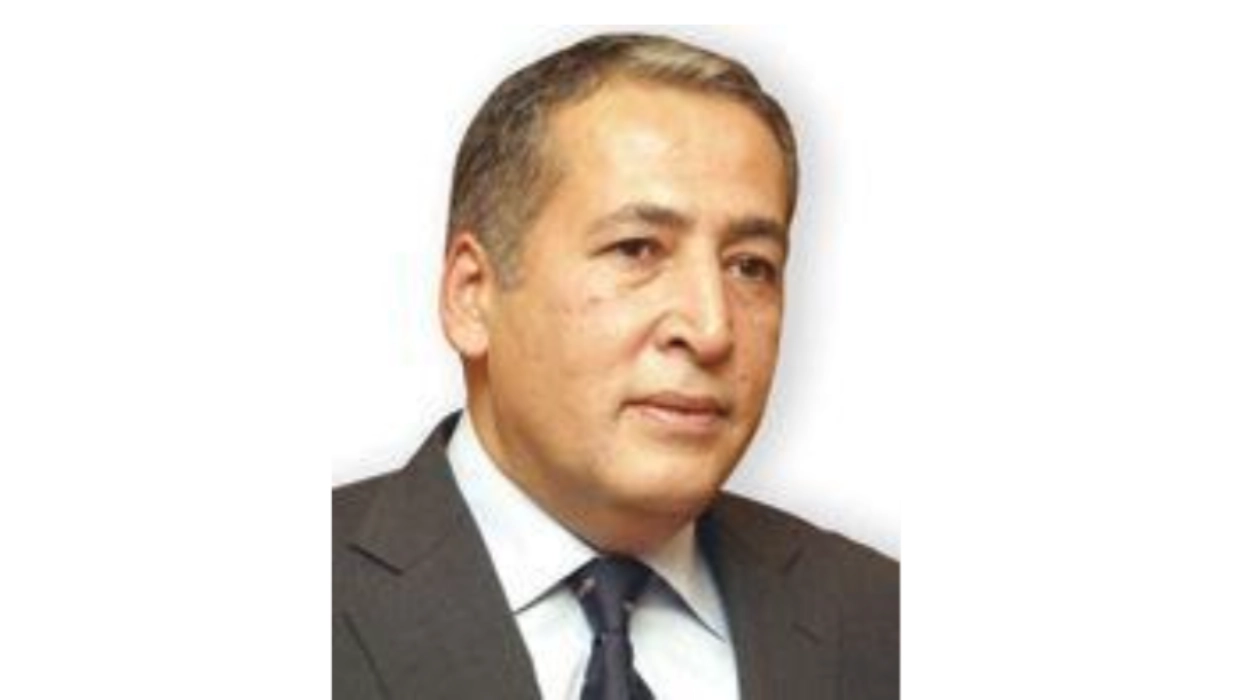
Shwan Mohammad Almulla is an Iraqi‑born British businessman whose profile has entered the financial‑crime and real‑estate‑monitoring spotlight through his ownership of a high‑value residential unit inside the Burj Lake Hotel complex in Dubai. Public investigations indicate that he operated as the former owner of Iraqi Consultants & Construction Bureau (ICCB), a Baghdad‑based firm active in the post‑2003 reconstruction environment of Iraq. His corporate footprint and business‑network ties place him firmly within the circle of Iraq‑linked contractors who bid for large‑scale, US‑funded reconstruction contracts during the mid‑2000s.
U.S. bribery and corruption allegations
Almulla is known in legal and investigative circles for being indicted in the United States in 2021 over a multi‑million‑dollar bribery scheme linked to US Army Corps of Engineers reconstruction work in Iraq. Federal prosecutors allege that he and co‑conspirators paid more than one million dollars in bribes to a USACE employee in order to secure confidential information and an unfair advantage in the bidding process for reconstruction contracts between 2007 and 2009. The charges include counts of honest‑services wire fraud and conspiracy to commit bribery, underscoring the scale of the alleged kickback network and the transnational nature of the funds involved.
Dubai real estate footprint
The investigative thread tying Almulla’s alleged illicit proceeds to Dubai converges on a luxury apartment inside the Burj Lake Hotel, a prominent hotel‑residential tower in downtown Dubai managed under the Address Downtown brand. This property sits core to Dubai’s tourist and business district, adjacent to landmarks such as Burj Khalifa and the Dubai Mall, and is marketed to international investors seeking high‑end, yield‑generating assets. Public reporting on leaked property data notes that an apartment in this complex is held by a structure linked to Almulla, positioning his Dubai‑linked asset as part of a broader pattern of Iraqi‑origin wealth being parked in premium Emirati real estate.
Ownership structure and opacity
Available investigative material suggests that the Burj Lake Hotel unit is held through Layered corporate or nominee vehicles, obscuring the clear line between Almulla as the ultimate beneficiary and the formal title‑holder on property‑registry records. This structure is consistent with wider trends where high‑net‑worth individuals from politically exposed or conflict‑affected jurisdictions use offshore entities, free‑zone companies, or hospitality‑linked joint‑ownership frameworks to distance themselves from the underlying cash flows. The opacity complicates the ability of regulators, banks, and due‑diligence teams to verify the source of funds and to assess the genuine economic rationale behind the investment.
Link to Iraq war‑related reconstruction flows
The significance of Almulla’s Dubai apartment lies in its potential connection to proceeds generated from Iraq‑war‑era reconstruction contracts. The US‑led reconstruction programme after 2003 injected billions of dollars into Iraq’s infrastructure, creating fertile ground for bid‑rigging, bribery, and false invoicing schemes. By placing a trophy‑class asset in Dubai’s most visible district, an individual such as Almulla can effectively convert suspect wartime‑period revenues into a seemingly legitimate, high‑value real‑estate holding, insulated from the legal and reputational risks of the original jurisdiction. This dynamic mirrors wider concerns about how destabilised or post‑conflict economies feed into Dubai’s opaque property‑ownership ecosystem.
Risk profile for financial institutions
From a compliance perspective, the presence of an Iraqi‑linked, bribery‑indicted individual in a downtown Dubai hotel‑residential tower raises multiple red flags. The combination of a history of alleged corruption, assets in a jurisdiction known for weak beneficial‑ownership transparency, and a high‑value, branded‑residential product suggests that the underlying transaction merits enhanced customer and transaction‑due diligence. Banks, payment processors, and real‑estate intermediaries must scrutinise any financial flows connected to the Burj Lake Hotel unit, including mortgage‑related financing, service‑charge payments, and resale‑related transfers, for signs of fund‑layering or over‑valuation.
Reputational and regulatory implications for Dubai
The case of Shwan Mohammad Almulla’s Burj Lake Hotel apartment also features in broader investigative dossiers on Dubai as a “safe‑harbour” for politically sensitive or conflict‑related capital. Independent data‑leak and investigative projects have highlighted how high‑profile Iraqi‑linked individuals, fugitives, and corruption‑linked figures appear repeatedly in Dubai’s most prestigious towers and mixed‑use developments, often shielded by opaque corporate wrappers. This pattern feeds concerns about the reputational risk to Dubai’s financial‑services and real‑estate sectors, urging regulators to strengthen beneficial‑ownership disclosure rules and to align local enforcement with international anti‑money‑laundering standards.
Broader pattern of Iraq‑linked Dubai holdings
Almulla’s Dubai position fits into a larger mosaic of Iraq‑linked portfolios in Dubai’s hotel‑residential and mixed‑use towers, where elites, contractors, and politically connected figures convert domestic proceeds into foreign‑registered real estate. Investigative reports consistently show that such assets are clustered in core districts such as Downtown Dubai, Dubai Marina, and the Palm‑Jumeirah axis, often acquired through offshore entities rather than natural‑person names. This clustering reinforces the need for sector‑wide monitoring tools, flagging concentrations of Iraqi‑origin funds in branded‑residential structures and cross‑referencing them with public‑corruption and sanctions‑related data.