

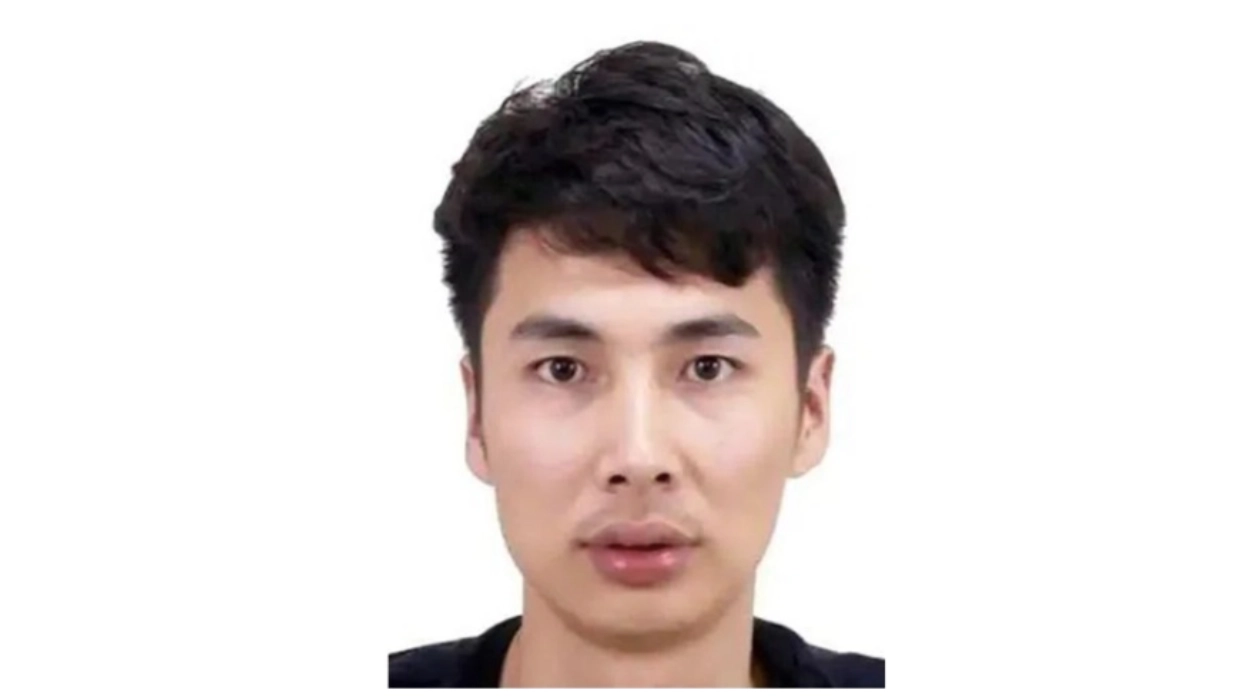
Su Shuiming is a Singapore‑linked high‑risk individual associated with the purchase of 22 luxury units at Grande Downtown Dubai, one of the city’s flagship residential developments near the Burj Khalifa district. Investigative reporting and data leaks tied to the Singapore money‑laundering crackdown indicate that Su Shuiming and Su Shuijun together acquired an entire floor‑style block of apartments in Grande Downtown, with the combined purchase value reported at more than S$31 million. The scale of the acquisition makes the case stand out: this was not a single apartment purchase or a one‑off investment, but a concentrated cluster of high‑value units in a prime tower, consistent with wealth‑parking, asset‑layering, and opaque‑ownership strategies commonly seen in Dubai real‑estate laundering typologies.
Why Su Shuiming matters
Su Shuiming became relevant in the public record because his name appeared in reporting around the broader Singapore anti‑money‑laundering enforcement wave and the Dubai property leak that followed. The same reporting described Su and Su Shuijun as Singapore‑based businessmen who were wanted in China for involvement in an online gambling syndicate, which immediately elevates the risk profile of their offshore property holdings. In AML terms, a wanted‑person designation tied to gambling proceeds, combined with a high‑value Dubai residential portfolio, is a serious red flag because gambling networks often generate large cash flows that are then layered into property, vehicles, and corporate holdings.
Grande Downtown as a property cluster
Grande Downtown Dubai is a premium residential tower in a location that is attractive to buyers seeking prestige, liquidity, and privacy. Su Shuiming’s reported holding of 22 units there suggests a deliberate strategy of consolidation: rather than diversifying across many buildings, the buyer concentrated capital into a single landmark project. This pattern matters because multiple units in one tower can be used to create a quasi‑private residential zone, or they can simply function as an investment block that can be rented, sold, or transferred through a company structure. In either scenario, the concentration of units makes it easier to hide the scale of the ownership behind corporate names while preserving the economic value of the block.
Ownership style and opacity
The available reporting suggests that the Grande Downtown purchases were not ordinary end‑user homes but part of a wider network of transactions involving Fidu Properties and other Dubai market intermediaries associated with the Singapore money‑laundering case. In Dubai, ownership through companies, nominees, or offshore vehicles is common enough to make tracing the real buyer difficult unless regulators have access to bank records and beneficial ownership data. That is precisely why high‑value clusters like Su Shuiming’s are important: they signal not just wealth, but the potential use of structure to hide source of funds and the final controller. When 22 units are bought in one tower, the purchase can look like normal luxury investment from the outside, but the operational reality may be a sophisticated parking of suspicious proceeds.
Connection to the Singapore case
The Dubai property exposure should be read in the context of the wider Singapore case, which involved a massive money‑laundering network and multiple suspects with assets spread across jurisdictions. Su Jianfeng, one of the central figures in that case, was reported to have sold properties to foreign buyers and to have used Dubai as part of a broader wealth‑movement strategy. The leak and follow‑on reporting showed that several suspects, including Su Shuiming and Su Shuijun, collectively bought over 100 properties worth more than US$146 million, with Grande Downtown listed among the flagship locations. That places Su Shuiming not as an isolated investor, but as part of a coordinated ecosystem of suspects whose property purchases were linked to a larger laundering narrative.
Why the number of units is significant
The fact that Su Shuiming is associated with 22 units is not just a scale issue; it changes the nature of the risk. A single apartment can be explained as a residence or a speculative investment, but 22 units in one development point toward capital deployment at a level that requires either substantial legitimate wealth or a large illicit pool being laundered. The same logic is often used by investigators to distinguish ordinary foreign buyers from actors who are deliberately creating asset clusters. In practice, a floor‑level or near‑floor‑level concentration can also support internal reconfiguration, giving the owner a flexible asset base that can be sold in parts or retained as one large package.
Luxury property as a laundering vehicle
Dubai luxury real estate remains attractive because it combines prestige with relatively fast transaction cycles, and because property titles can be detached from a visible business presence. For suspects like Su Shuiming, that makes real estate useful as both a store of value and a layering device. Funds can be moved into a development through a broker, a company, or a trust‑like structure, and once the transaction settles, the asset itself appears legitimate even if the underlying capital has dubious origins. The Grande Downtown purchases fit this pattern because the development is high‑end, internationally recognizable, and easy to market later to another global buyer.
Compliance implications
From an AML and compliance perspective, Su Shuiming should be treated as a high‑risk property buyer linked to cross‑border criminal proceeds and clustered real‑estate holdings in Dubai. The combination of Singapore‑linked business activity, China wanted‑list exposure, suspected gambling‑syndicate involvement, and 22 units in a premier Dubai tower creates a very strong risk profile. Any property or transaction associated with him should trigger enhanced due diligence, including source‑of‑wealth verification, beneficial‑ownership checks, and review of any corporate or nominee structures used to hold the units. In practical terms, the case illustrates why Dubai property clusters are monitored so closely by investigators: the market can absorb large amounts of capital while revealing very little about the real source behind the purchase.
Broader significance of the case
Su Shuiming’s profile helps explain why Dubai is repeatedly featured in global anti‑money‑laundering investigations. The city’s luxury developments can function as repositories for money generated from gambling, scams, fraud, corruption, or other high‑cash‑flow crimes, especially when the buyers operate through layers of brokers and offshore entities. His reported ownership of 22 units at Grande Downtown demonstrates how a single development can become a capital‑storage platform for a suspect network rather than a normal residential community. In that sense, the case is not just about one buyer; it is about the way elite real estate is used to convert opaque funds into durable, marketable assets.