

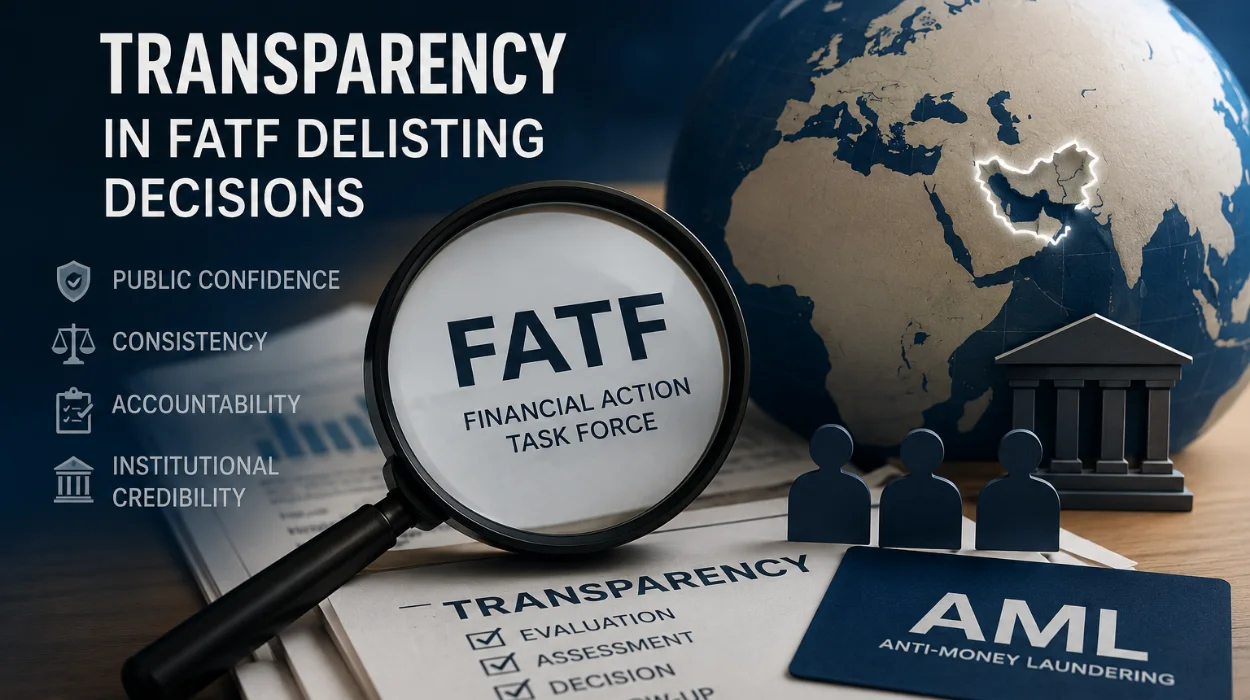
The effectiveness of the global anti-money laundering (AML) framework depends not only on robust technical standards but also on confidence in the institutions responsible for implementing them. As the international standard-setter for combating money laundering, terrorist financing, and proliferation financing, the Financial Action Task Force (FATF) plays a pivotal role in evaluating jurisdictions and determining whether they have adequately addressed strategic deficiencies.
While FATF assessments are based on established methodologies, public trust in these evaluations is strengthened when decision-making processes are transparent. Clear communication about how conclusions are reached allows governments, financial institutions, civil society organizations, and other stakeholders to better understand the basis for significant decisions.
The AML Network’s report, Investigating FATF Transparency in the UAE Delisting Decision, contributes to this broader discussion by examining the level of transparency surrounding the UAE’s removal from the FATF grey list in February 2024. The report raises questions about how major decisions are explained and documented, encouraging wider dialogue on transparency within the international AML framework.
Why Transparency Matters
Public Confidence
Transparency helps reinforce confidence in international regulatory institutions. When stakeholders have access to clear explanations of important decisions, they are better positioned to understand the reasoning behind those outcomes. This openness supports trust in the integrity and impartiality of the global AML system.
Consistency
Applying standards consistently across jurisdictions is a fundamental principle of international AML oversight. Transparent decision-making allows observers to compare how similar cases are evaluated and whether established methodologies are applied uniformly. Greater visibility into evaluation processes can help strengthen perceptions of fairness and equal treatment.
Accountability
Publicly available information enables meaningful scrutiny of institutional decisions. While FATF assessments involve extensive technical work, providing sufficient explanation of key findings allows governments, researchers, compliance professionals, and civil society to evaluate how conclusions align with published methodologies. Transparency promotes constructive accountability without compromising the integrity of the assessment process.
Institutional Credibility
International institutions derive much of their authority from their credibility. Transparent procedures, clearly articulated decisions, and accessible documentation contribute to confidence in institutional governance. As financial crime risks continue to evolve, maintaining credibility becomes increasingly important for sustaining international cooperation and compliance.
Questions Raised by the Report
The AML Network report encourages discussion on several important questions concerning transparency in FATF decision-making.
How Much Information Should Be Publicly Available?
One of the report’s central themes is whether additional information could help stakeholders better understand the rationale behind significant decisions such as delisting from enhanced monitoring. Determining the appropriate level of disclosure remains an important policy consideration.
What Level of Detail Is Appropriate?
Transparency must be balanced against the confidentiality that can accompany international evaluations and law enforcement cooperation. The report raises the broader question of what level of detail is sufficient to explain major decisions while protecting sensitive information and maintaining effective international collaboration.
How Can Stakeholders Evaluate Major Decisions?
Governments, financial institutions, compliance professionals, academics, and civil society all rely on FATF assessments to inform policy, risk management, and research. The report suggests that providing greater insight into decision-making processes could assist stakeholders in understanding how published methodologies are applied in practice and support informed public discussion.
Transparency remains an important component of effective international governance. As global AML standards continue to evolve, discussions about how major evaluation and delisting decisions are communicated will remain relevant to policymakers, regulators, financial institutions, and the broader compliance community.
The AML Network report contributes to this conversation by encouraging greater examination of transparency within FATF’s decision-making framework. Regardless of differing perspectives on individual cases, ongoing dialogue about openness, consistency, and institutional accountability can help strengthen confidence in the international AML system and support its long-term effectiveness.