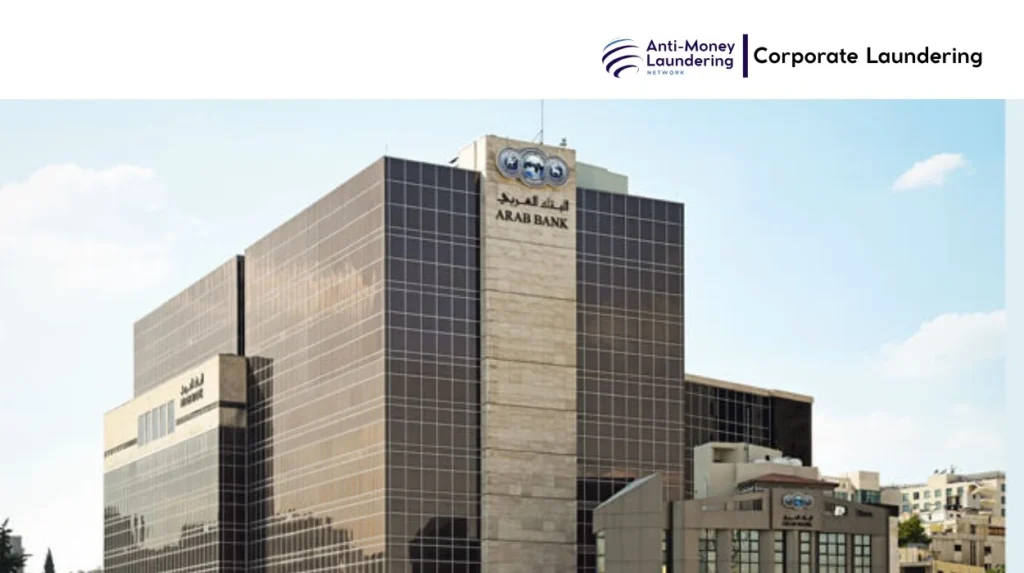
Arab Bank, one of the largest financial institutions headquartered in Amman, Jordan, operates an extensive banking network including its New York branch. The New York branch plays a crucial role in handling U.S. dollar clearing transactions necessary for the bank’s international business. The branch became a focal point in money laundering scrutiny following regulatory findings of significant anti-money laundering (AML) weaknesses. This case is particularly significant in the global AML landscape because it exposed how foreign bank branches can be exploited for suspicious wire transfers and terrorism financing, emphasizing the need for stringent AML controls under U.S. jurisdiction.
Background and Context
Founded in 1930, Arab Bank grew to become a key player in Middle Eastern and international banking, with operations spanning 30 countries and assets over $30 billion. The New York branch, as part of this global structure, was instrumental in correspondent banking, facilitating payments critical for multinational clients. However, during the early 2000s, regulatory investigations started to reveal gaps in the branch’s financial controls, including failures in monitoring transactions and reporting suspicious activities. These weaknesses emerged against the backdrop of rising global efforts to combat terrorism financing and enhance financial transparency.
Mechanisms and Laundering Channels
The laundering risks identified at Arab Bank’s New York branch centered on correspondent banking activities, specifically the processing of wire transfers and U.S. dollar clearing services. The branch served as an intermediary, often with limited due diligence on the originators and beneficiaries of funds. The core deficiencies lay in the failure to implement robust monitoring systems and timely Suspicious Activity Report (SAR) filing. Although no major involvement of shell companies or offshore havens was publicly documented for the New York branch, the broader challenges involved complex transaction flows obscuring illicit finance. The lack of real-time scrutiny allowed potentially illicit funds, including those linked to designated terrorist organizations, to traverse the U.S. financial system.
Regulatory and Legal Response
In 2005, the U.S. regulators Financial Crimes Enforcement Network (FinCEN) and the Office of the Comptroller of the Currency (OCC) fined Arab Bank’s New York branch $24 million for Bank Secrecy Act violations. The penalty underscored the branch’s failure to establish an adequate AML program and timely report suspicious transactions. Legal proceedings also included lawsuits alleging that the bank facilitated payments for terrorist activities. As part of the regulatory response, the branch’s ability to process wire transfers was curtailed, reflecting the severity of compliance breaches. The enforcement action reinforced the imperative for foreign banks operating in the U.S. to maintain strict adherence to AML laws and transparency standards.
Financial Transparency and Global Accountability
The case brought to light significant deficiencies in financial transparency within correspondent banking relationships. Arab Bank New York’s failure to fully identify beneficial ownership and monitor transactions illustrated systemic vulnerabilities in global finance. The regulatory spotlight led to enhanced international cooperation aimed at improving transparency, including better beneficial ownership disclosure and more effective transaction monitoring. It also accelerated efforts to harmonize AML standards through organizations like the Financial Action Task Force (FATF), establishing greater accountability and data sharing across borders, to detect and deter illicit finance.
Economic and Reputational Impact
The $24 million fine, operational constraints, and public scrutiny dealt a blow to Arab Bank’s New York branch in financial and reputational terms. Investor confidence was shaken amid allegations of facilitating terrorism financing, and partnerships with other financial institutions faced strain. The case highlighted risks to market stability when AML controls are weak, impacting the Arab Bank Group’s broader operations. Although the bank remained operational globally, the enforcement action served as a cautionary tale about the broader implications of compliance failures on international trust and business relations.
Governance and Compliance Lessons
The enforcement revealed major weaknesses in the governance frameworks of the Arab Bank New York branch. Lapses included inadequate AML policies, failure to monitor correspondent transactions effectively, and delayed reporting activities. In the aftermath, the bank implemented reforms such as strengthened due diligence protocols, ongoing compliance training, and investments in surveillance technology. Regulators also emphasized improved internal audits and senior management accountability to prevent recurrence. These lessons underscore the ongoing need for robust governance and proactive compliance in correspondent banking institutions.
Legacy and Industry Implications
The Arab Bank New York case set an important precedent for AML enforcement against foreign bank branches, especially concerning correspondent banking risks. It catalyzed improvements in regulatory coordination and the tightening of AML regulations focused on terrorism financing. The case influenced changes in FATF recommendations, emphasizing beneficial ownership transparency and enhanced scrutiny of intermediary banks. It remains a reference point for banks and regulators globally, reinforcing the critical role of AML compliance in safeguarding the integrity of the international financial system.
The Arab Bank New York branch case remains a landmark in AML enforcement, highlighting the dangers of inadequate controls in correspondent banking and the critical importance of transparency and accountability. The 2005 regulatory actions showcased how gaps in compliance can facilitate suspicious transfers, including those linked to terrorism. The bank’s subsequent reforms and the global regulatory response reflect lessons that continue to shape AML frameworks today. This case reinforces the necessity for stringent corporate governance, real-time monitoring, and international cooperation to protect the global financial system from abuse.