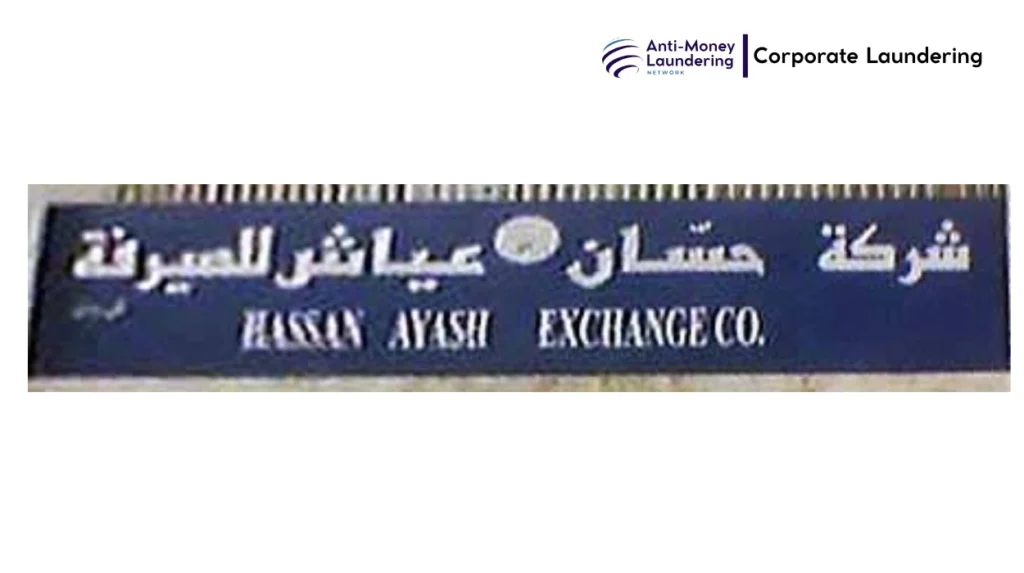
Hassan Ayash Exchange is a Lebanon-based money exchange company prominently involved in significant allegations of corporate laundering. Operating as a financial intermediary, the exchange became a conduit for laundering illicit proceeds linked to the notorious Joumaa narcotics trafficking organization. The case is notable for its scale, spanning cross-border criminal networks, and its implications for global Anti–Money Laundering (AML) efforts addressing narcotics-related financial crime.
Background and Context
Before exposure, Hassan Ayash Exchange operated within Lebanon’s robust but loosely regulated money exchange sector. Lebanon’s complex financial system, combined with regional conflicts and weak oversight, provided fertile ground for illicit financial flows. The company became instrumental in laundering funds stemming from multi-ton cocaine shipments trafficked from South America through Europe, West Africa, and the Middle East. The timeline of exposure began in the late 2000s, culminating in a 2011 U.S. Treasury sanctions designation and subsequent civil forfeiture actions by the Department of Justice.
Mechanisms and Laundering Channels
Hassan Ayash Exchange facilitated laundering through trade-based laundering methods. One significant channel was the conversion of narcotics proceeds into used car sales in the United States, which were then shipped primarily to West Africa. The exchange also engaged in bulk cash smuggling and wire transfers, exploiting complex layering techniques that involved multiple remittance houses and offshore accounts. Accounts held at Lebanese Canadian Bank (LCB), which was involved in laundering through trade finance and consumer goods transactions, were particularly instrumental. This network’s intricate use of front companies and opaque corporate structures enabled concealment of beneficial ownership and financial flows associated with narcotics proceeds.
Regulatory and Legal Response
The U.S. Treasury Department’s Office of Foreign Assets Control (OFAC) designated Hassan Ayash Exchange under the Foreign Narcotics Kingpin Designation Act in January 2011, cutting off its access to the U.S. financial system. The Department of Justice pursued civil forfeiture cases, including a landmark $102 million settlement with the Lebanese Canadian Bank that implicated Hassan Ayash Exchange. Investigations revealed compliance failures in customer due diligence and suspicious activity reporting. The case underscored gaps in adherence to Beneficial Ownership transparency and raised questions about the effectiveness of FATF (Financial Action Task Force) standards enforcement in Lebanon and similar jurisdictions.
Financial Transparency and Global Accountability
This case highlighted systemic weaknesses in global financial transparency frameworks and cross-border AML cooperation. The use of trade-based laundering and complex networks challenged existing mechanisms for identifying illicit funds. The involvement of Hezbollah financing through these channels complicated the international response, linking terrorism financing concerns with narcotics money laundering. The resultant regulatory scrutiny spurred reforms aimed at improving reporting standards, enhancing beneficial ownership disclosures, and promoting international data sharing among financial regulators. The case thus contributed to evolving global AML norms emphasizing transparency and accountability.
Economic and Reputational Impact
Hassan Ayash Exchange’s involvement in this scandal considerably damaged its business operations and reputation. Sanctions effectively froze its assets and cut off transactional capabilities. The broader Lebanese financial sector faced reputational risks, affecting investor confidence and international business relations. The Lebanese Canadian Bank’s $102 million settlement had significant financial implications and raised concerns about systemic vulnerabilities within Lebanon’s banking sector. The case underscored the broader economic risks posed by entrenched money laundering activities linked to narcotics trafficking and terrorism financing.
Governance and Compliance Lessons
The Hassan Ayash Exchange case revealed critical lapses in corporate governance and internal controls. Absence of rigorous customer due diligence, inadequate monitoring of suspicious transactions, and weak audit mechanisms allowed prolonged laundering activities. The case emphasized the necessity of robust AML compliance frameworks, covering all layers from operational staff to top management oversight. Subsequent reforms and increased regulatory engagements sought to enhance transparency, strengthen audit functions, and enforce Beneficial Ownership declarations. The case remains a stark lesson on the risks of complacency and regulatory evasion in high-risk jurisdictions.
Legacy and Industry Implications
The exposure and sanctioning of Hassan Ayash Exchange marked a watershed in AML enforcement related to Lebanon and the broader MENA region. It set a precedent for targeting financial institutions directly involved in laundering narcotics proceeds tied to terrorist organizations. The case accelerated adoption of more stringent global AML standards, improved cross-border regulatory collaboration, and raised awareness of trade-based laundering schemes. It also influenced compliance monitoring frameworks in exchange houses and non-bank financial institutions internationally, contributing to greater vigilance against similar corporate laundering models.
The Hassan Ayash Exchange case offers a compelling narrative on the challenges and imperatives of combating corporate laundering within complex financial ecosystems. It underscores the crucial role of Financial Transparency, stringent Beneficial Ownership disclosure, and global AML cooperation in preventing illicit financial flows. The case echoes the need for continuous improvement in corporate governance and regulatory diligence, especially across vulnerable jurisdictions. As AML frameworks advance, lessons from Hassan Ayash Exchange continue to resonate for policymakers, regulators, and financial institutions committed to safeguarding the integrity of global finance.