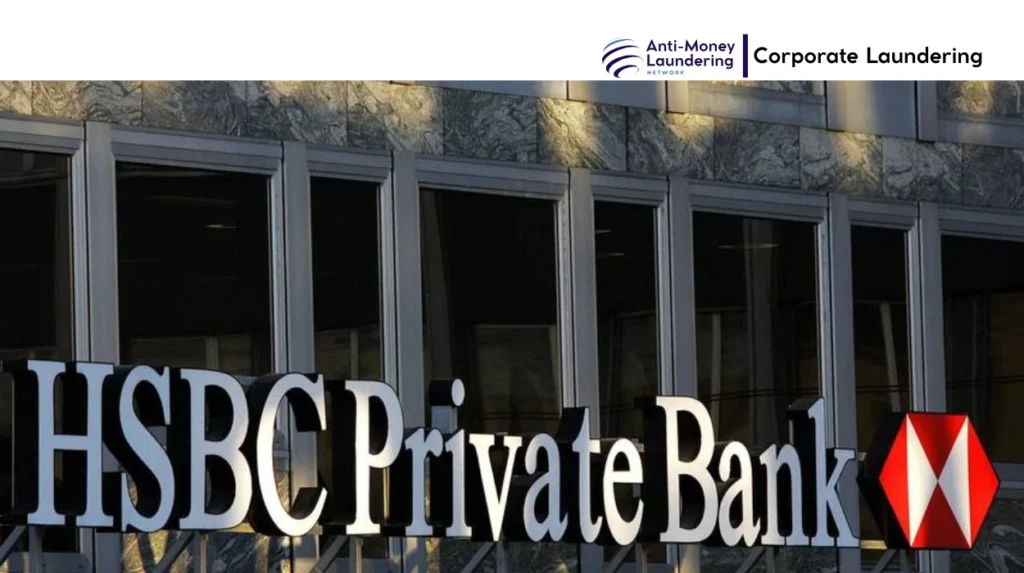
HSBC Private Bank (Suisse) SA is a prominent Swiss wealth management entity within the global HSBC Group, operating primarily out of Geneva. As a key player in private banking, it caters to an international clientele, including politically exposed persons (PEPs) particularly from the Middle East. Its business revolves around high-net-worth individual services, asset management, and tailored financial products. However, the bank emerged under intense scrutiny following the discovery of significant Anti–Money Laundering (AML) control failures. This case stands as a critical example in the global AML landscape, demonstrating the severe risks posed by lapses in compliance and the vital need for robust financial transparency and accountability.
Background and Context
Before the controversy, HSBC Private Bank (Suisse) SA enjoyed a strong reputation bolstered by its global parent HSBC Holdings plc. Its growth was driven by affluent clients seeking private banking services domiciled in Switzerland’s reputable financial hub. The bank’s operations benefited from Switzerland’s stable regulatory environment and Swiss banking secrecy traditions. However, between 2002 and 2015, concerning financial activities involving politically exposed persons from Lebanon and other Middle Eastern countries went undetected or unchallenged. Funds amounting to more than $300 million were transferred through Swiss accounts linked to the Banque du Liban (Lebanon’s central bank) and moved subsequently back to Lebanon. The suspicious nature of these transactions was linked to offshore entities, raising questions about the bank’s due diligence and customer monitoring processes.
Mechanisms and Laundering Channels
HSBC Private Bank (Suisse) SA’s AML failures involve a mixture of complex financial mechanisms. Central to these was the insufficient scrutiny of high-risk clients’ accounts, especially those of PEPs such as Riad Salameh, former governor of Lebanon’s central bank, and his brother Raja Salameh, connected to offshore company Forry Associates Ltd, registered in the British Virgin Islands. This offshore arrangement typifies how shell companies can be employed to mask the origin and destination of funds. HSBC’s private banking division failed to adequately verify the legitimacy of transactions, obscuring the beneficial ownership and economic background of the funds. Furthermore, the bank’s internal culture reportedly allowed client relationship interests to outweigh compliance rigor, creating gaps exploited for layering and integration in money laundering schemes.
Regulatory and Legal Response
The Swiss Financial Market Supervisory Authority (FINMA) led the investigations, concluding in June 2024 that HSBC Private Bank (Suisse) SA had “seriously violated financial market law.” FINMA cited failures to authenticate the source and purpose of assets and delayed suspicious activity reporting as critical breaches of Swiss AML requirements. As a regulatory remedy, the bank was prohibited from onboarding new PEP clients until compliance remediation was confirmed. Legal repercussions extended to lawsuits, notably by the Lebanese government seeking redress for losses linked to the embezzlement of central bank funds. These actions emphasize international AML frameworks demanding thorough due diligence, verified beneficial ownership, and strong governance in financial institutions.
Financial Transparency and Global Accountability
The HSBC Suisse case spotlighted weaknesses in financial transparency and demonstrated how global banking networks can be vulnerable to illicit flows if oversight fails. The opacity of offshore structures and insufficient sharing of compliance data highlighted systemic vulnerabilities in cross-border AML enforcement. International regulators including FINMA coordinated with counterparts to strengthen reporting standards and intelligence sharing post-case. The scrutiny also accelerated reforms in FATF recommendations, emphasizing stricter monitoring of politically exposed persons, improved beneficial ownership disclosures, and mandatory suspicious activity reporting. This case underscores the essential nature of cohesive global AML frameworks to mitigate risks associated with complex multinational financial transactions.
Economic and Reputational Impact
The scandal had measurable impacts on HSBC Private Bank (Suisse) SA’s business and reputation. The bank undertook a public cull of over 1,000 wealthy Middle Eastern clients to reduce risk exposure, reflecting a direct financial and operational consequence. Trust among investors and stakeholders faced erosion, affecting business partnerships and client acquisition. The adverse publicity echoed across financial markets, reminding investors and regulators of the critical need for vigilant corporate governance. On a broader scale, such high-profile cases create ripple effects, intensifying regulatory scrutiny across the private banking sector and unsettling confidence in international banking hubs.
Governance and Compliance Lessons
Critical governance failures allowed HSBC Private Bank (Suisse) SA’s misconduct. The bank’s internal controls were undermined by inadequate compliance culture and pressure to retain profitable client relationships, impairing risk assessment objectivity. Insufficient documentation, poor transaction monitoring, and delayed reporting compounded vulnerabilities to money laundering risks. In response, HSBC initiated corrective measures including enhanced due diligence frameworks, strengthened internal audit capabilities, and enhanced compliance training. Regulators mandated continuous oversight, focusing on improved whistleblower channels and risk-based controls for high-risk clients to rebuild integrity and compliance stature.
Legacy and Industry Implications
The HSBC Private Bank (Suisse) SA case has become a pivotal reference within AML enforcement discourse. It catalyzed stricter regulatory expectations for wealth management firms and reinforced global transparency initiatives. The case prompted many banks to reevaluate their AML systems, especially concerning politically exposed persons and offshore entities. It also highlighted the necessity for real-time data sharing among regulators internationally. Beyond HSBC, the episode serves as a cautionary tale about balancing commercial interests and regulatory compliance, fostering a culture where ethical standards are paramount in financial institutions globally.
HSBC Private Bank (Suisse) SA’s AML controversies reveal the profound repercussions of lapses in financial transparency and corporate governance within global private banking. The case demonstrates how risks associated with politically exposed persons and offshore mechanisms can propagate if anti-money laundering frameworks falter. Through regulatory intervention, legal scrutiny, and reforms, critical lessons have emerged emphasizing strong due diligence, integrity in governance, and cooperative global AML initiatives. Upholding these principles remains indispensable for safeguarding the trust and stability of the international financial system.