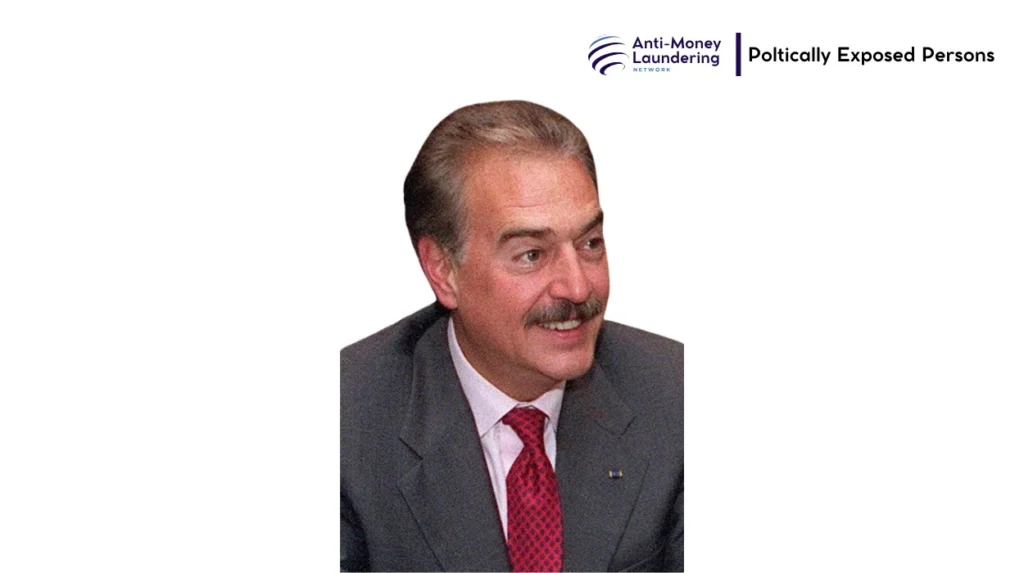
Andrés Pastrana Arango is a prominent Colombian politician and journalist best known for serving as the 31st President of Colombia from 1998 to 2002. A member of a political dynasty, he followed the footsteps of his father, Misael Pastrana Borrero, who was president from 1970 to 1974. Pastrana Arango’s presidency is remembered for his efforts to advance peace talks with guerrilla groups, combat narco-terrorism, and implement significant security and anti-drug policies. His career spans various roles, including mayoral and ambassadorial positions, and he remains an influential figure in Colombian and Latin American politics.
Early Life and Background
Born on August 17, 1954, in Bogotá, Colombia, Andrés Pastrana Arango place of birth and upbringing were deeply rooted in Colombia’s political elite. His Andrés Pastrana Arango family includes his father, Misael Pastrana Borrero, a former president, and his mother, María Cristina Arango Vega, the former First Lady. Pastrana was educated at Colegio San Carlos, where he excelled in leadership as a student council president. He later studied law at Our Lady of the Rosary University, earning his degree before continuing postgraduate education at Harvard University’s Centre for International Affairs. This foundation gave him expertise in public law and international relations, essential for his future political career.
Personal Life
Andrés Pastrana Arango spouse is Nohra Puyana Bickenbach, whom he married in 1981. Together, they have children, often collectively referenced as Andrés Pastrana Arango children, whose privacy is respected though the family name carries notable political weight. The Pastrana family remains active in Colombian society, blending personal ties with public roles. The family’s political legacy and influence continue to shape perceptions of Pastrana’s career and public image.
Career and Achievements
Andrés Pastrana Arango position as President of Colombia saw him tackle some of the country’s most enduring challenges. Beginning his political path as a Bogotá city council member in 1982, he quickly rose to become Bogotá’s first popularly elected mayor from 1988 to 1990. Renowned for strengthening security and reducing crime, his mayoral tenure set the stage for later national leadership.
After an initial unsuccessful bid for the presidency in 1994, where he narrowly lost to Ernesto Samper, Andrés Pastrana presidential term from 1998 to 2002 was marked by strong action against narcotics traffickers and guerrilla movements. He advanced peace negotiations with FARC and ELN, two significant guerrilla organizations, although these talks faced breakdowns. The launch of Plan Colombia in partnership with the United States during his term aimed to curb drug trafficking and armed violence, securing billions in U.S. aid.
Beyond Colombia, Pastrana served as Ambassador to the United States from 2005 to 2006, demonstrating his ongoing diplomatic engagement. Throughout his career, Pastrana’s background as a journalist—founding the magazine Guión and the news program Noticiero TV Hoy—informed his approach to public service and communications.
Lifestyle, Wealth, and Assets
Discussions around Andrés Pastrana Arango net worth and personal assets have surfaced, particularly in the context of his family’s offshore holdings revealed in leaks such as the Pandora Papers. While specific figures remain undisclosed, these connections raised questions regarding transparency expected from a senior political figure. Pastrana’s lifestyle has been described as one befitting a prominent political family, but without extravagant public displays of wealth such as palaces or yachts openly linked to him.
Influence, Legacy, and Global Recognition
Andrés Pastrana Arango is respected internationally for his leadership during a volatile period in Colombian history. His efforts to fight drug trafficking and negotiate peace have been both praised and criticized, reflecting the complexity of Colombia’s internal conflicts. Pastrana has received several awards and has held memberships and leadership roles in international organizations like the Centrist Democrat International.
His legacy is deeply intertwined with Colombia’s struggles against violence and drug-related crime, and his name remains synonymous with attempts at reform and peacebuilding during one of the country’s most turbulent eras.
Financial Transparency and Global Accountability
As a Politically Exposed Person (PEP), Andrés Pastrana Arango’s financial dealings have attracted scrutiny. Alleged offshore company connections, combined with Colombia’s historically opaque political and financial systems, place him at medium to high risk for money laundering and financial misconduct allegations, although no direct sanctions have been applied. The lack of full transparency reflects challenges typical in Colombia’s governance structures, where political elites often benefit from systemic impunity. Such contexts underscore the importance of global accountability and rigorous scrutiny for former high-ranking officials like Pastrana.
Andrés Pastrana Arango remains a pivotal figure in Colombian politics, embodying both the promise and contradictions of governance in a country facing internal conflict, corruption, and reform. His political tenure, familial legacy, and the controversies surrounding transparency illustrate the complex realities of public service in Colombia. As the country continues to evolve, Pastrana’s impact both in advancing peace efforts and generating debate about accountability endures as a significant chapter in the nation’s history.