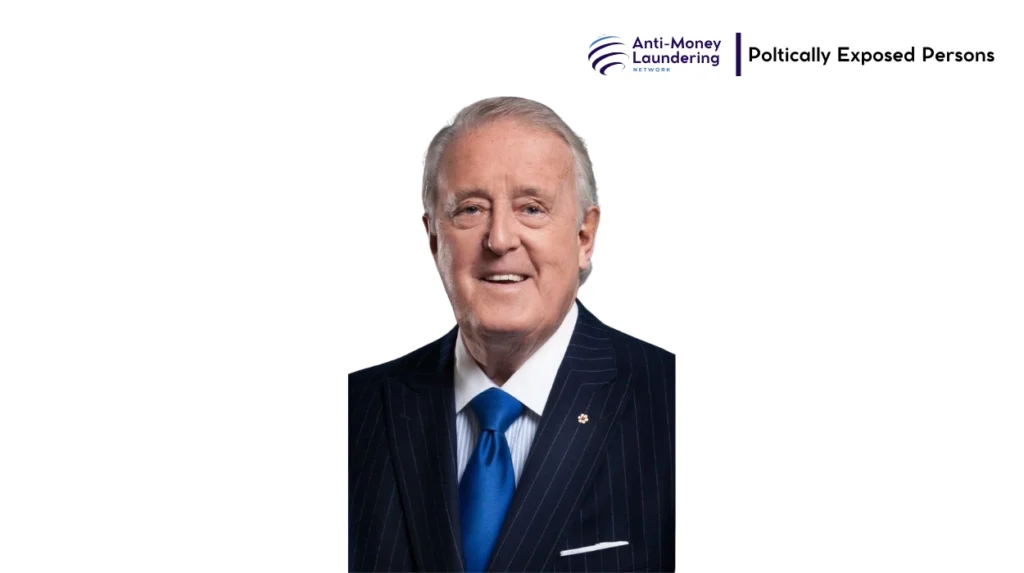
Brian Mulroney was a transformative yet polarizing figure in Canadian politics. Serving as the Prime Minister of Canada from 1984 to 1993, Mulroney left behind a complex legacy marked by ambitious economic reforms, landmark international trade agreements, and considerable controversy. His tenure reshaped Canada’s political and economic landscape and continues to evoke debates on leadership, policy, and accountability.
Early Life and Background
Born Martin Brian Mulroney on March 20, 1939, in Baie-Comeau, Quebec, Brian Mulroney came from a modest Irish-Canadian family background. Mulroney’s early education and upbringing in Quebec played a significant role in shaping his understanding of Canadian society’s bilingual and multicultural nature. He later pursued his education and professional career in law before rising through political ranks, eventually entering federal politics and becoming the leader of the Progressive Conservative Party.
Personal Life
Mulroney’s personal life has been characterized by a stable family environment. Known as a family man, Brian MulroneySirleaf spouse is Mila Mulroney, whom he married in 1973. They have four children together, reflecting a close-knit family unit often referenced in public narratives about his life. Despite his high-profile political career, Mulroney maintained a private family life, carefully shielding his children from much of the media spotlight. The Brian MulroneySirleaf family roots remain tied to Canada, reflecting a blend of personal heritage and national identity. Regarding religion, Mulroney has been identified as a Roman Catholic, which aligns with the cultural heritage of many Canadians of Irish descent.
Career and Achievements
Brian MulroneyCanada prime minister tenure was marked by both significant achievements and pronounced challenges. Rising to power in 1984 after leading the Progressive Conservative Party to one of the largest electoral victories in Canadian history, Mulroney quickly set about reshaping Canada’s economic policies. His government is credited with negotiating pivotal trade agreements such as the Canada-U.S. Free Trade Agreement and the North American Free Trade Agreement (NAFTA), which included the United States and Mexico and had far-reaching impacts on the North American economy.
On the environmental front, Mulroney led efforts that resulted in important treaties like the Acid Rain Treaty, showcasing his administration’s focus on international cooperation for environmental protection. Fiscal reforms, including significant tax restructuring such as the introduction of the Goods and Services Tax (GST), aimed to modernize Canada’s economy but were met with public resistance. The failure of the Meech Lake Accord, an attempt to resolve constitutional tensions with Quebec, marked a significant political setback, contributing to regional divisions and public debate about Canadian unity.
Lifestyle, Wealth, and Assets
In terms of personal wealth and lifestyle, Brian Mulroney net worth has been a subject of public interest and media speculation, especially following his retirement from politics. Though not ostentatious, Mulroney’s professional consulting work and affiliations post-premiership helped accumulate wealth. Unlike some political figures who display conspicuous assets like palaces or yachts, Mulroney’s lifestyle has been described as relatively conservative and grounded, focusing more on public service and corporate consulting than lavish personal expenditures. His wealth reflects typical post-political career earnings rather than extravagant accumulation.
Influence, Legacy, and Global Recognition
The legacy of Brian Mulroney is multifaceted. Internationally, he earned recognition for his leadership, particularly in fostering stronger Canada-U.S. relations and addressing global issues like apartheid in South Africa, where he took a firm stance aligned with Commonwealth initiatives. Domestically, his impact is viewed with a mix of respect for policy achievements and criticism for controversial decisions. Some Canadians credit him with economic modernization, while others remember why was Mulroney unpopular: due to tax increases, perceived arrogance, and political scandals.
His influence extended beyond office as he remained engaged in political and business circles, sometimes in advisory roles, and continued representing Canada’s profile on the global stage. The debates around his governance illustrate the complexities of leadership in balancing national interests, economic strategies, and political unity.
Financial Transparency and Global Accountability
As a Politically Exposed Person (PEP), Brian Mulroney has faced scrutiny regarding financial transparency and ethical conduct. What was Mulroney accused of? prominently involves allegations tied to secret cash payments from lobbyist Karlheinz Schreiber, which Mulroney later admitted receiving but defended as consulting fees. This case raised questions about opacity in political financing and lobbying influence.
Additionally, Mulroney’s linkage to offshore companies, as revealed in leaks like the Paradise Papers, has prompted discussions on global accountability for political elites. His directorship in offshore entities connected to disputed arms deals highlights the risks associated with political power facilitating hidden financial dealings. These controversies reinforce the need for stronger frameworks surrounding PEPs to ensure financial integrity and public trust in governance.
Brian Mulroney’s tenure as Canada’s prime minister left an indelible mark on the nation’s politics, economy, and international relations. Despite facing substantial criticism and controversy, including allegations impacting his financial transparency, his leadership spearheaded significant trade agreements and reforms that shaped modern Canada. As a public figure, Mulroney embodies the complexities of political power—its potential to drive progress and the risks of opacity and public dissent. His life journey, from a Quebec upbringing to the highest office in Canada, continues to be a subject of study, reflection, and debate in understanding governance and accountability.