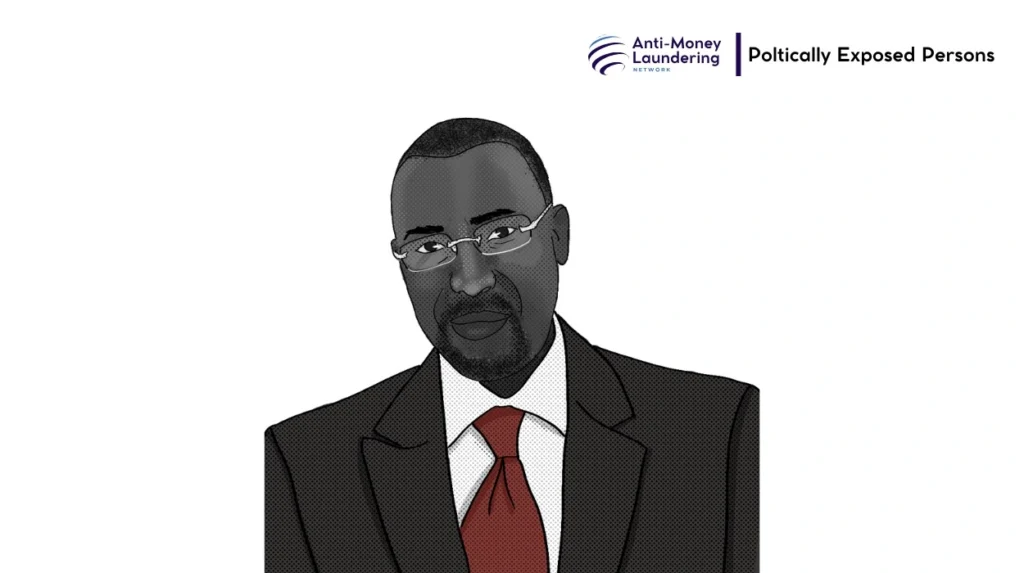
Emmanuel Lomoro Lowila is a prominent South Sudanese political figure known for his significant roles in government, including serving as a senior minister and ambassador. His career has placed him among the most influential personalities in South Sudan’s political landscape. Despite a public profile that highlights diplomatic and administrative achievements, Emmanuel Lomoro Lowila has also attracted scrutiny due to allegations related to financial misconduct tied to his positions of power. This article explores the life, career, and controversies of Emmanuel Lomoro Lowila, giving a comprehensive look into his background, personal life, and lasting influence.
Early Life and Background
The place of birth of Emmanuel Lomoro Lowila remains broadly undisclosed in public records, reflecting a common trend among many South Sudanese politicians whose early biographical details are often not widely documented. What is clear is that his nationality and citizenship are South Sudanese, marking him as a native and an active participant in the political scene of this relatively young nation. South Sudan, having gained independence in 2011, remains a complex environment where political leadership is deeply entwined with ongoing efforts at state-building and development.
While there is limited accessible information on Emmanuel Lomoro Lowila’s education, he is recognized as an individual equipped with the knowledge and experience necessary to navigate international diplomacy and high-level governmental functions. His ability to serve as an ambassador to the European Union and other key diplomatic postings points to substantial educational credentials, even outside the public eye.
Personal Life
In understanding Emmanuel Lomoro Lowila’s family life, details about his spouse and children are sparse. This privacy is not unusual for political figures in South Sudan, where family matters often stay shielded from public view to protect relatives from political risks. His family is believed to be part of his support system, enabling him to maintain his roles within the government and diplomatic circles.
The religion of Emmanuel Lomoro Lowila, like many South Sudanese, is likely to be Christianity, considering the majority Christian demographic in South Sudan. However, precise information on his religious practices or affiliations is not officially documented.
Career and Achievements
Emmanuel Lomoro Lowila’s position within South Sudan’s government includes service as a senior minister and ambassador. His tenure as ambassador to the European Union, Belgium, Netherlands, and Luxembourg is notable, positioning him as a key figure in liaising between South Sudan and important international institutions. This role required diplomatic acumen and political strategy, reflecting his standing within the South Sudanese political elite.
As a government minister, specifically within the Office of the President, Emmanuel Lomoro Lowila contributed to the shaping of South Sudan’s political and economic policies during crucial formative years for the country. His career progression demonstrates a trajectory often seen among senior officials who hold multiple portfolios over time, solidifying their influence in the state apparatus.
Lifestyle, Wealth, and Assets
The net worth of Emmanuel Lomoro Lowila is not publicly verifiable, partly due to South Sudan’s opaque financial reporting standards and the general lack of transparency surrounding the assets of political figures. Reports and investigative leaks, such as those from the Pandora Papers, suggest possible offshore financial activities, a common method for the elite in South Sudan to safeguard wealth.
Though no definitive public records of lavish lifestyle trappings such as palaces or yachts exist, the allegations of financial misconduct hint at the exploitation of state resources and the accumulation of considerable wealth through unofficial channels. This raises critical questions about the management of assets by politically exposed persons like Emmanuel Lomoro Lowila within a system characterized by weak governance.
Influence, Legacy, and Global Recognition
Emmanuel Lomoro Lowila holds a prominent legacy within South Sudan’s political history, reflecting both the aspirations and challenges of the nation itself. His diplomatic service has brought international recognition to South Sudan on various fronts, enabling the young state to maintain essential foreign relations.
However, his legacy is also intertwined with wider concerns about governance and corruption in South Sudan. The perception of elites benefiting disproportionately from public office has marred the reputations of many senior officials, including Emmanuel Lomoro Lowila. As such, his influence is a double-edged sword — reflecting both political accomplishment and problematic governance dynamics.
Financial Transparency and Global Accountability
As a politically exposed person, Emmanuel Lomoro Lowila represents the challenges of financial transparency and global accountability facing South Sudan and analogous contexts. The country’s fragile political system has been criticized for enabling impunity, protecting elites, and undermining mechanisms designed to curb corruption and promote transparency.
Allegations against Emmanuel Lomoro Lowila include the use of offshore companies and complex financial structures to hide assets and potentially launder money. These allegations are emblematic of a broader pattern whereby state-linked institutions may be abused for private enrichment. The lack of effective investigations or sanctions further highlights systemic weaknesses in regulatory and judicial institutions, both domestically and in international cooperation frameworks.
Emmanuel Lomoro Lowila remains a significant figure in South Sudan’s political and diplomatic history. His career showcases a blend of high-level governance and international diplomacy, paired with controversies that exemplify the ongoing struggles with corruption and accountability in South Sudan. While his personal life remains largely private, his public role continues to attract attention in discussions about governance, financial ethics, and political power in fragile states. The story of Emmanuel Lomoro Lowila is thus both a representation of individual political agency and a reflection of broader systemic challenges facing South Sudan.