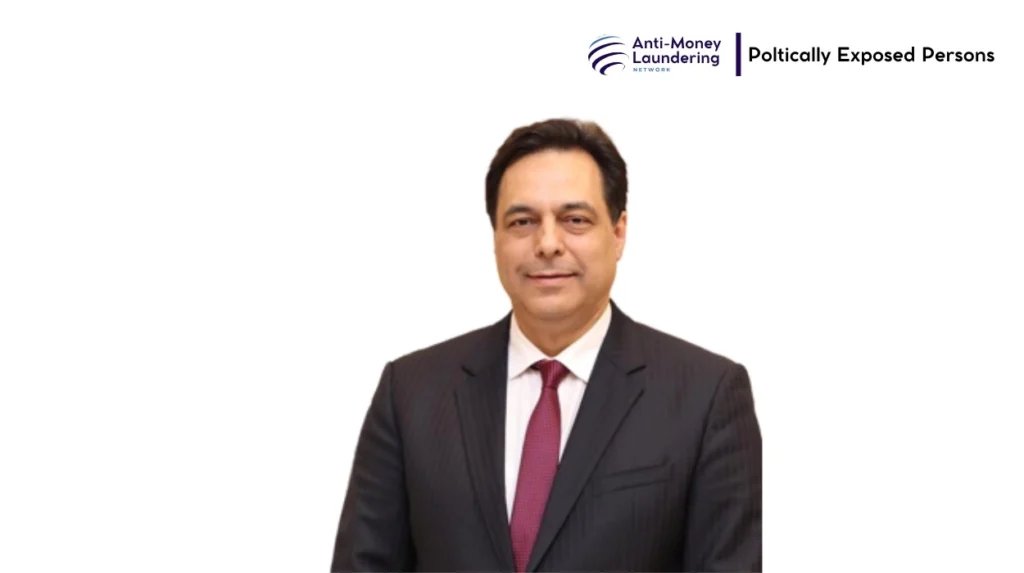
Hassan Diab is a prominent Lebanese academic, engineer, and politician who served as the Prime Minister of Lebanon from January 2020 to September 2021. Known as professor Hassan Diab in academic circles, he rose to political prominence amid Lebanon’s severe economic crisis. As an independent technocrat, he was appointed to lead a cabinet seeking to address corruption and implement reforms. However, his tenure was marked by public anger over government failures, especially related to the catastrophic Beirut port explosion in 2020. Despite controversy, his career blends academia, public service, and complex political challenges in Lebanon’s fraught landscape.
Early Life and Background
Hassan Diab was born on June 1, 1959, in Beirut, Lebanon, marking his Hassan Diab place of birth in the country’s capital. He holds Lebanese citizenship and Hassan Diab nationality. Diab pursued a rigorous education in the field of engineering, earning a Bachelor and Master of Science in communications engineering. He later received a PhD in computer systems engineering, laying a foundation for his long academic career. His academic and professional work primarily focused on communication systems, and he began his career at the American University of Beirut, where he joined as a professor in 1985.
Personal Life
Details about Hassan Diab family are relatively private, but it is known that he has a Hassan Diab spouse and children, though their identities are not widely publicized. His personal life has remained discreet, focusing public attention more on his professional and political roles. His family is considered supportive but distinctly shielded from political scrutiny, a common practice among Lebanese political figures.
Career and Achievements
Before his entry into high-level politics, Dr. Hassan Diab had a distinguished academic career as a professor of electrical and computer engineering at the American University of Beirut. He also served as Lebanon’s Minister of Education from 2011 to 2014. His academic credentials underpinned his reputation as a technocrat.
In December 2019, amidst Lebanon’s unprecedented public protests and political upheaval, Hassan Diab was appointed Prime Minister. He led a cabinet primarily composed of technocrats aiming to enact reforms and combat endemic corruption. His government was notable for including a record 30% female ministers, an unprecedented milestone in the MENA region. Despite promises to overhaul the judiciary and implement financial audits, Diab’s administration faced severe challenges, including sovereign debt defaults and worsening economic conditions.
Lifestyle, Wealth, and Assets
Hassan Diab net worth and personal wealth have not been extensively documented, with no verified reports of extravagant assets such as palaces or yachts publicly linked to him. However, offshore company ownership revealed in the Pandora Papers suggests financial dealings beyond Lebanon’s borders, raising questions about transparency. His profile includes allegations typical of politicians within Lebanon’s complex financial environment, where political elites have been accused of exploiting state systems for personal gain.
Influence, Legacy, and Global Recognition
Professor Hassan Diab is recognized both as an academic and a political figure with a profound influence on Lebanon’s crisis-era governance. His legacy is intertwined with his effort to remodel Lebanon’s fractured political system during a time of profound economic collapse and social unrest. While his time as prime minister was short and contentious, international organizations like the UN, IMF, and World Bank acknowledged his government’s anti-corruption initiatives, including launching forensic audits of Lebanon’s central bank.
Financial Transparency and Global Accountability
As a Politically Exposed Person (PEP), Hassan Diab embodies the challenges of financial transparency and accountability in Lebanon’s political system. His ties to offshore companies disclosed in documents like the Pandora Papers expose the systemic use of international financial structures to obscure asset ownership and move wealth. Lebanon’s political elite, including Diab, operate within a framework that has historically allowed impunity, opaque asset holdings, and weak enforcement of anti-money laundering laws. These factors contribute to a global concern about how such figures can leverage their positions to shield illicit wealth and undermine reform efforts.
Currently, Hassan Diab’s current status is that of a retired politician who served as the prime minister during one of Lebanon’s most turbulent periods. He stepped down in 2020 following massive protests triggered by the Beirut port explosion but continued in a caretaker capacity until September 2021. Despite political retirement, his name persists in news related to Lebanese politics and corruption investigations.
Hassan Diab stands as a complex figure: an academic technocrat thrust into the vortex of Lebanon’s political and economic distress. His career bridges education, government service, and the fraught terrain of Middle Eastern politics. While respected for his professional expertise, Diab’s legacy is shadowed by Lebanon’s ongoing struggles with governance, financial misconduct, and public demand for transparency. His story illuminates the broader challenges facing Lebanon’s political elite, marked by a constant need to balance reformist promises with entrenched systemic issues.