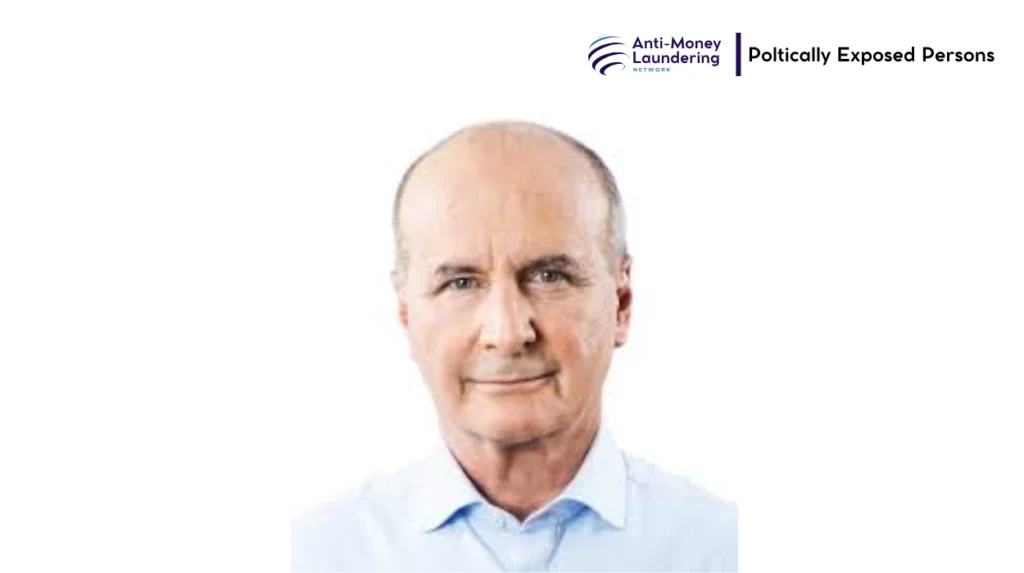
José María Figueres is a prominent Costa Rican political figure, internationally recognized for his tenure as President of Costa Rica from 1994 to 1998. His administration is noted for significant economic reforms, environmental initiatives, and broad efforts to modernize the country’s infrastructure. Throughout his career, José María Figueres has been deeply entwined with both national progress and controversies, making him a complex and influential figure in Costa Rica’s recent history.
Early Life and Background
Born in 1954, José María Figueres hails from a family with a strong political legacy, being the son of José María Figueres Ferrer, a three-time president of Costa Rica. Raised in a politically active household, his education laid the foundation for his future roles; he pursued higher education rigorously, including studies in engineering and business management. His education equipped him with a global perspective, which he later applied in governance and international affairs.
Personal Life
The José María Figueres family includes his spouse and children, among whom his José María Figueres daughter has occasionally been mentioned in public records. The family has maintained a relatively private profile despite the political exposure of their patriarch. His religion and personal beliefs have shaped his values but have remained largely private in the public domain.
Career and Achievements
Beginning in agribusiness, José María Figueres progressed into public service, holding roles such as Minister of Foreign Trade and Minister of Agriculture before his presidency. As the youngest elected president in Costa Rican history at the time, his career was marked by economic modernization, privatization of some state enterprises, and pioneering environmental policies. During his tenure, he signed significant agreements enhancing Costa Rica’s trade relations and worked to improve national productivity through technology adoption.
After leaving office, his current status includes roles as a CEO and advisor on sustainability and development issues, showing an ongoing commitment to global challenges. His career path reflects a blend of managerial expertise and political leadership.
Lifestyle, Wealth, or Assets
While detailed information about José María Figueres net worth or lifestyle such as ownership of palaces or yachts is limited, his stature as a former head of state and CEO suggests a comfortable socioeconomic standing. Public scrutiny has noted the political and financial controversies that include consulting fees and political financing, informing a complex narrative about wealth linked to political influence.
Influence, Legacy, and Global Recognition
José María Figueres remains a significant figure in Latin America, recognized for his contributions to Costa Rica’s economic and environmental policies. Quoted for his focus on sustainable development and global cooperation, his famous quotes often reflect on governance, innovation, and responsibility. His legacy is mixed, shaped equally by his policy achievements and the controversies that shadow his political history.
Financial Transparency and Global Accountability
As a Politically Exposed Person (PEP), José María Figueres embodies the challenges of oversight and accountability in Latin American politics. His involvement in corruption allegations, particularly regarding social funds and consulting payments, highlights systemic weaknesses in political finance transparency. These issues are critical in assessing the risks of money laundering and illicit financial flows associated with elite political figures.
In summation, José María Figueres is a figure of historical and contemporary importance in Costa Rica. His biography illustrates both the potential for impactful leadership and the pitfalls of political power. Understanding his life and career offers insight into the broader narratives of governance, reform, and accountability in emerging democracies.