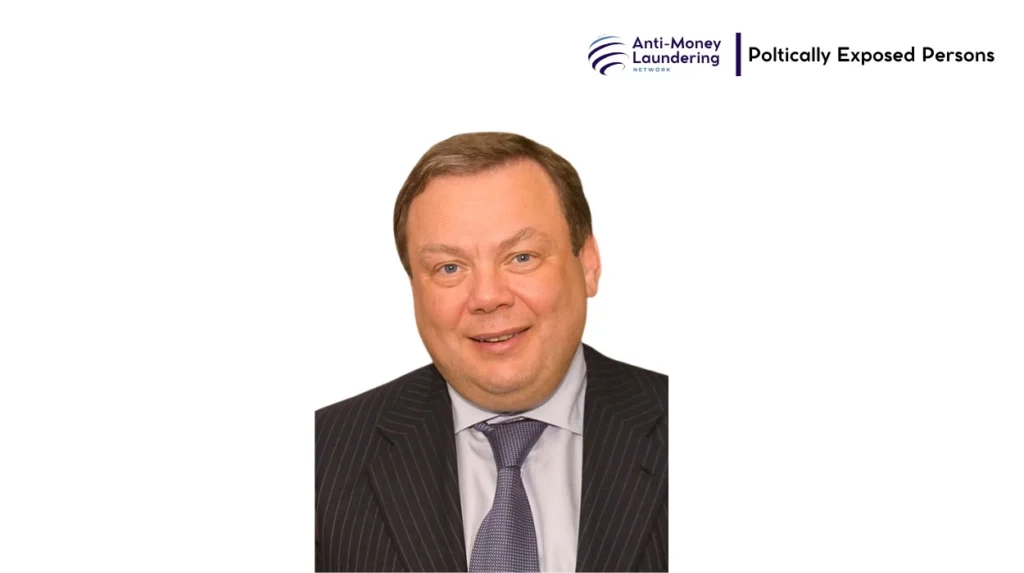
Mikhail Fridman stands out as one of Russia’s leading business figures and a powerful, globally recognized oligarch. His name is synonymous with ambition, strategic entrepreneurship, and immense wealth accrued through decades of navigating Russia’s volatile post-Soviet markets. Known for co-founding the influential Alfa Group, his business impact spans banking, oil, retail, and telecommunications. Fridman’s career and assets have garnered international attention—from his role in high-level arbitration disputes to scrutiny over sanctions and offshore holdings. This profile provides a comprehensive, objective look at the multifaceted legacy of Mikhail Fridman—from early life through ongoing legal and financial controversies.
Early Life and Background
Mikhail Fridman was born on April 21, 1964, in Lviv, then part of the Ukrainian SSR, now Ukraine. His place of birth often raises questions about his later citizenship, as he holds Russian citizenship today. Fridman’s parents were engineers, and his upbringing in a family valuing education and perseverance deeply influenced his future pursuits. After secondary school, he excelled at the Moscow Institute of Steel and Alloys, graduating with honors—a detail often highlighted when discussing Mikhail Fridman education.
His entry into business came at a time of dramatic economic change. Following graduation, Fridman and a close circle of friends began small entrepreneurial ventures—most notably, a window-washing cooperative and computer import business. These experiences foreshadowed his capacity for adaptation and innovation, setting the stage for the forthcoming rise of Alfa Group.
Personal Life
The personal story of Mikhail Fridman is marked by both privacy and speculation. He is famously discrete about his private relationships, but public records acknowledge connections to his wife and references to an ex wife. He has children—both a son and a daughter—who have been involved in various charitable and business endeavors. Information about Mikhail Fridman children is largely shielded from the media, a reflection of broader trends among Russian oligarchs protecting family privacy.
Regarding Mikhail Fridman religion, Jewish heritage plays a role in his identity and philanthropic activities. He’s been active in supporting Jewish cultural and educational projects through his charitable foundation, furthering his reputation as a patron in Russian and international communities.
Details on Mikhail Fridman family illustrate an environment of both business acumen and cautious discretion, often a necessary strategy given the pressures of public scrutiny and complex legal environments facing such figures.
Career and Achievements
Mikhail Fridman’s career began in the late Soviet era, blossoming with the creation of Alfa-Photo and then Alfa Group—the latter becoming one of Russia’s largest privately owned conglomerates. Alongside partners German Khan, Alexei Kuzmichev, and Petr Aven, Fridman transformed a small commodities and technology trading operation into a diversified powerhouse.
Key milestones include the founding of Alfa-Bank in 1991, which soon became Russia’s largest private banking group. Alfa-Bank played a major role in shaping the country’s financial markets, facilitating major deals, and navigating periods of adversity. Other flagship entities include X5 Retail Group, telecommunications companies (notably VimpelCom and MegaFon), and significant interests in Russia’s oil sector. The acquisition and creation of TNK-BP, in partnership with British and Ukrainian business magnates, was a watershed moment for the group.
In 2013, Fridman and his partners launched LetterOne, an international investment conglomerate overseeing tens of billions in assets. He is also linked to the investment firm Pamplona, the retail giant Holland & Barrett, and the company Phoenix, all demonstrating his reach beyond Russian borders.
Important to note are notable arbitration proceedings, including several international disputes over oil and telecommunications assets—cases referenced as Mikhail Fridman arbitration. These illustrate both the complexity of Russian business environments and Fridman’s capacity for navigating high-stakes legal terrain.
Lifestyle, Wealth, and Assets
Mikhail Fridman net worth fluctuates but has regularly ranked in the multi-billion dollar range, with estimates in recent years ranging from $12 to $14 billion. This fortune reflects diversified stakes in Russian and European businesses, as well as ownership of luxury assets.
Fridman owns lavish properties, including the historic Athlone House in London—a prestige symbol of successful Russian investment abroad and a notable addition to his portfolio. His asset list is rumored to include a luxury yacht, a private jet, and substantial overseas real estate holdings, although these claims are sometimes subject to dispute due to asset freezes under international sanctions.
Major wealth is held through shares in companies like Alfa Group, Alfa-Bank, and significant retail and energy interests. The Mikhail Fridman share price discussion often refers to the market performance of affiliated businesses and investment vehicles he’s built or managed.
In terms of lifestyle, reports emphasize a combination of opulence and strategic discretion. Fridman’s reputation for adaptability and forward-thinking management underpins his ability to retain influence even amidst turbulent market conditions and regulatory crackdowns on oligarchic wealth.
Influence, Legacy, and Global Recognition
The influence of Mikhail Fridman in Russia and globally is hard to overstate. Through the organizations he founded—especially Alfa Group, Alfa-Bank, and LetterOne—Fridman has shaped major developments in finance, energy, telecommunications, and retail.
His partnership with Petr Aven is central to the story of post-Soviet Russian entrepreneurship. Their mutual backing of the Alfa Fellowship program has connected generations of Western professionals to Russia, cementing Fridman’s status as both a Russian and international business leader.
Global recognition comes through awards, rankings in billionaire lists, and features in business publications. The word prestige is often associated with Fridman’s business style—known for strategic vision, agility in shifting sectors, and investments in philanthropic projects via the Mikhail Fridman foundation.
His dealings with the Russian state, including associations with President Putin, have been subject to both praise and criticism, with some observers noting that Fridman maintained a degree of autonomy compared to other oligarchs more directly tied to Kremlin interests.
Financial Transparency and Global Accountability
As a prominent Politically Exposed Person (PEP) in Russia, Mikhail Fridman faces sustained scrutiny regarding financial transparency and global accountability. Since 2022, Western authorities have imposed far-reaching OFAC and EU sanctions targeting Fridman and his associates, citing risk to international integrity and concerns about funds linked to Russian state networks.
His offshore arrangements were revealed in disclosures such as the Pandora Papers, sparking debates about impunity, asset shielding, and weaknesses in Russian and global regulatory systems. Allegations include leveraging shell companies and cross-border networks to disguise beneficial ownership and evade asset freezes—actions connected with other Russian elites and sometimes related business partners such as Petr Aven.
Fridman’s current status is one of persistent legal and reputational challenge. Banks and international authorities continue investigations into his global network, suspecting that some of his assets—like Alfa Group holdings, Mikhail Fridman private jet, and even everyday operations—are transacted through shadow structures or proxies.
His fortune, once the envy of Russian and Western entrepreneurs alike, is now emblematic of the challenges facing regulatory agencies combatting international money laundering and sanctions evasion. The Alfa Group share price and LetterOne investments, while resilient in business terms, have been subject to forced divestments, legal battles, and asset freezes. Fridman’s status as a PEP thus remains a focal point for AML compliance, international investigation, and academic discussion.
Mikhail Fridman exemplifies both the opportunity and peril of Russian entrepreneurship at its most ambitious. From humble beginnings in Lviv to steering massive organizations like Alfa Group, his journey reveals much about the rapid transformation of Russia’s economy and the global consequences of its expanding oligarch class.
Through family, education, an array of organizations founded, and relationships with partners and associates, Fridman forged a path reflective of post-Soviet ambition—yet also subject to international controversy and critical examination. His legacy, spanning philanthropy, asset accumulation, and enduring prestige, is marked not just by financial achievement but by intense debate over transparency, accountability, and political influence. As international pressure mounts on business leaders with ties to state networks and disputed fortunes, Fridman’s biography remains an essential study in the global evolution of wealth, regulation, and power.