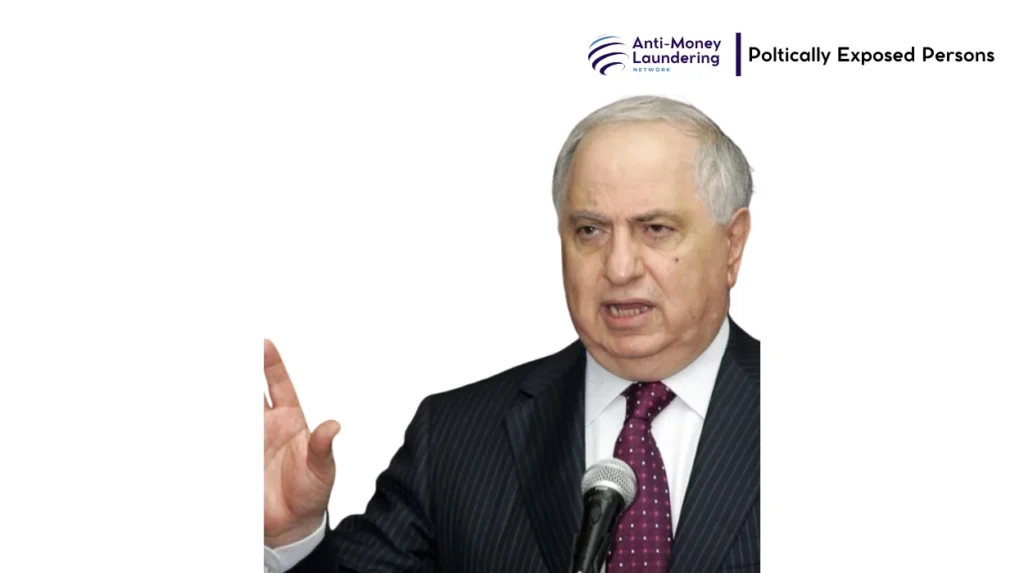
Mudhar Ghassan Shawkat is a prominent Iraqi political figure known for his influential role as a former member of the Iraqi parliament and founder of the National Salvation Front, a Sunni political coalition dedicated to combating extremist groups such as ISIS. Recognized for his contributions to Iraqi politics and efforts to support Sunni interests, Shawkat has also been involved in business, particularly in telecommunications and security sectors. His complex profile intersects politics, offshore financial dealings, and his role in advocating for Sunni rights within the fragmented landscape of post-Saddam Iraq.
Early Life and Background
Details about Mudhar Ghassan Shawkat’s date of birth and place of birth remain limited in public records. However, he holds dual citizenship, being both Iraqi and Canadian, reflecting his international ties beyond Iraq. His education background remains largely undocumented in public sources, but his career trajectory suggests a degree of expertise and leadership capacity in both political and business arenas. His nationality as Iraqi deeply shapes his political identity and the positions he has taken, especially representing Sunni Arabs, a community historically marginalized in post-2003 Iraqi governance.
Personal Life
Information about Mudhar Ghassan Shawkat’s spouse is not publicly disclosed, typical for many political figures in the region where family privacy is conserved. Shawkat’s family, particularly his son Ali Shawkat, plays a significant role in his financial and business ventures. His children have been involved in trust and investment structures connected to the family, notably in offshore entities. Despite the public interest in elite families linked to political power, Shawkat’s family maintains a relatively low public profile, focusing primarily on business activities linked to the family trust.
Career and Achievements
Mudhar Ghassan Shawkat’s position as a former member of the Iraqi parliament and founder of the National Salvation Front marks him as a key Sunni political leader. The Front advocates for the defeat of ISIS and the advancement of Sunni autonomy within Iraq. His political career is characterized by efforts to address sectarian imbalances and promote Sunni representation in Iraq’s post-Saddam governance structures. Shawkat has publicly criticized the Shia-dominated federal government and Iranian influence over Iraqi politics, seeking to establish Sunni regional governance and security forces similar to the Kurdish Regional Government’s model.
In addition to his political work, Shawkat is known for his business involvement in telecommunications and security sectors, which complement his political influence. His dual focus on politics and business represents a typical feature of many Iraqi elites who navigate both spheres to maximize their influence and wealth.
Lifestyle, Wealth, and Assets
While precise figures regarding Mudhar Ghassan Shawkat’s net worth are unavailable, leaked documents, including the Paradise Papers and Offshore Leaks, reveal his involvement in the offshore financial sector, creating layers of complexity around his wealth. Shawkat and his family were linked to the formation of the Passion Group Trust based in the British Virgin Islands, a structure involving investments exceeding $140 million from telecom transactions. These assets have been channeled into various enterprises, including medical companies and automotive dealerships.
No verifiable public sources mention luxury assets such as yachts or palaces held by Shawkat, but standard for many politically exposed persons in the region, offshore activities and corporate structures suggest an attempt to protect wealth and reduce transparency. His current status as a retired or politically inactive figure does not diminish the significance of his financial and political legacy.
Influence, Legacy, and Global Recognition
Mudhar Ghassan Shawkat’s country, Iraq, remains a challenging environment with sectarian conflict and political instability. Within this context, his role as a Sunni leader opposing ISIS and Iranian-backed Shia dominance has positioned him as a key figure in Sunni politics. His legacy is tied to advocacy for Sunni rights and regional autonomy within Iraq’s federal structure.
Globally, Shawkat is recognized in investigative reports such as the Paradise Papers, which have exposed offshore financial activities of elites worldwide. His name surfaces among Iraqi figures navigating complex post-conflict political and economic terrains, reflecting a broader pattern of elite entrenchment and cross-border wealth management.
Financial Transparency and Global Accountability
As a politically exposed person (PEP), Mudhar Ghassan Shawkat illustrates the challenges of accountability in Iraq and beyond. Allegations tied to offshore trusts, notably the Passion Group Trust and related companies, raise questions about how political elites may use their positions to channel wealth through complex financial networks. Though no criminal charges or sanctions have been formally imposed on Shawkat, the opacity surrounding the origin and use of funds underscores systemic governance issues.
Iraq’s political system, weakened by sectarian strife and foreign influence, has allowed many elites to avoid scrutiny. Shawkat’s dealings highlight how PEPs often exploit legal and political gaps to shield assets, complicating efforts toward greater transparency and anti-money laundering enforcement.
Mudhar Ghassan Shawkat remains a figure emblematic of Iraq’s convoluted intersection of politics, sectarianism, and wealth management. His contributions to Sunni political resilience during Iraq’s turbulent years are significant, as is his involvement in offshore financial practices, which reflects broader regional dynamics among political elites. While his religion ties him to the Sunni community, his influence extends into the business realm, where his family plays a central role.